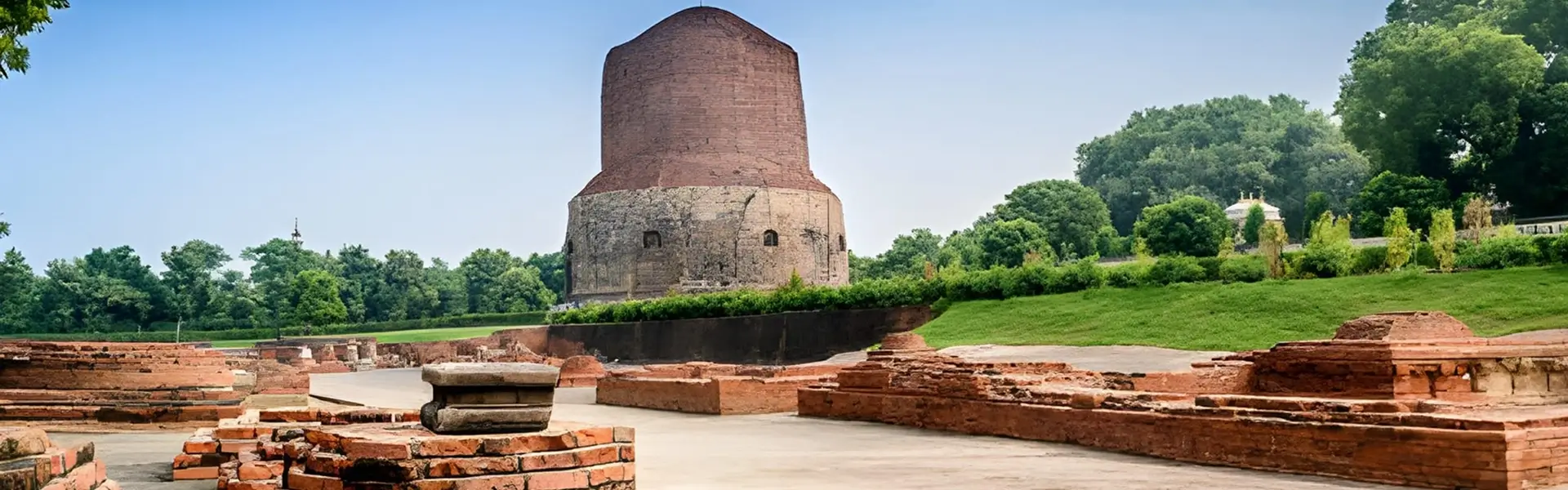
Long before Varanasi was crowned the spiritual capital of Hinduism, its outskirts held a different, profound silence. Just 10 km from Varanasi lies Sarnath, a name that echoes through millennia of Buddhist history. This is not merely a tourist destination in Varanasi; it is a spiritual site for Buddhist pilgrims. As one of the four most sacred sites in Buddhism, Sarnath is where the enlightened Buddha chose to "turn the wheel of Dharma." It was here, in the quiet of a deer park, that he delivered his first sermon, a revolutionary discourse on compassion and liberation that would change the world forever.
Today, a pilgrimage to Sarnath is a journey into the very heart of Buddhist thought. It’s a chance to walk the same paths as the Buddha, to feel the resonance of ancient chants in modern monasteries, and to find a space for quiet contemplation amidst ruins that have witnessed empires rise and fall.
The History and Significance of Sarnath
Originally known as Isipatana (the place where holy men fell to earth), Sarnath's history can be traced back to 528 BCE with Buddha's first sermon. The Buddha chose this serene grove to share his newfound wisdom—the Four Noble Truths and the Eightfold Path—with his first five disciples, establishing the original Sangha, or monastic community.
Sarnath's golden age blossomed under the patronage of the Mauryan Emperor Ashoka in the 3rd century BCE. A fierce conqueror turned devout Buddhist, Ashoka erected magnificent stupas and the iconic Ashokan Pillar, transforming Sarnath into a thriving center for learning and art. This legacy continued through the Gupta dynasty (4th-6th centuries CE), which gave rise to the celebrated "Sarnath School" of sculpture, renowned for its serene and graceful Buddha images.
Though invasions in the 12th century led to its decline, the rediscovery of its ruins in the 19th century reawakened its importance. Today, Sarnath is a vibrant archaeological park and a global Buddhist pilgrimage destination, where every stone tells a story of wisdom and compassion.
Sacred Buddhist Sites in Sarnath, Varanasi
These spiritual sites in Sarnath are the original, foundational monuments that connect directly to the Buddha and Emperor Ashoka.
How to Reach Sarnath?
Sarnath is an easy 10-12 km journey from the main city of Varanasi. You can hire an auto-rickshaw (approx. 30-45 mins), book a cab through an app, or opt for a planned excursion with Tus for a hassle-free experience.
Best Time to Visit
The cooler, dry months from October to March are most pleasant for exploring the outdoor sites. The monsoon season (July-September) brings lush greenery but can be humid. Buddha Purnima (usually in April or May) is a vibrant but crowded time to visit, with special ceremonies and festivities.
Suggested Itinerary
Things to Know Before You Go
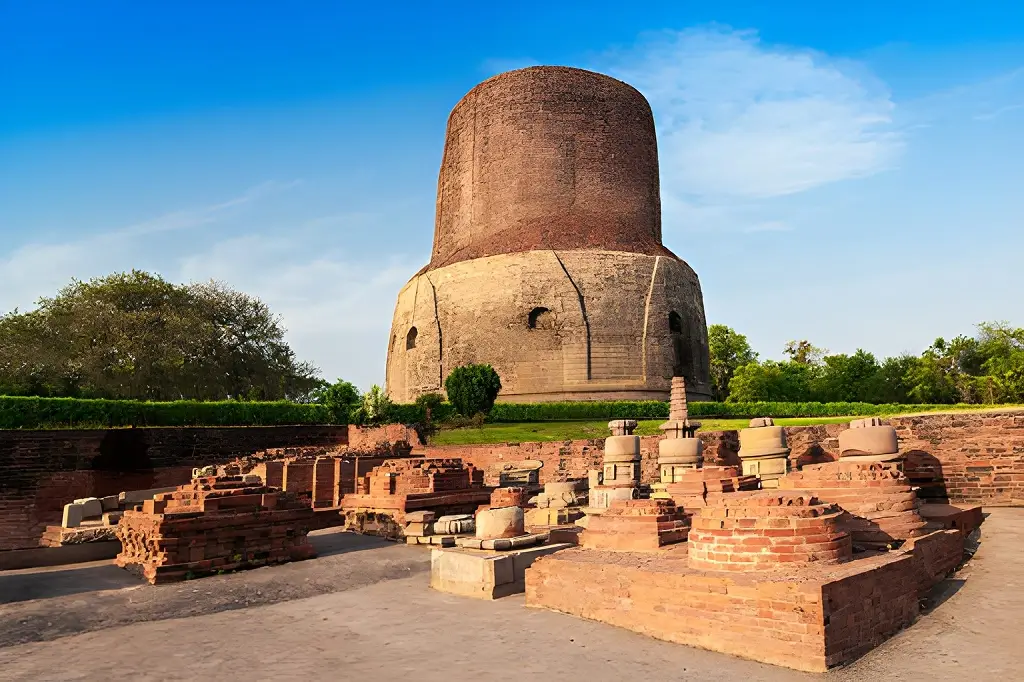
This colossal stupa with a 43.6 m high cylindrical structure is the top attraction of Sarnath. This is widely believed to be the precise spot of the Mrigadava (deer park) where the Buddha delivered his first sermon.
As you do the parikrama (circumambulatory path) around its base, notice the intricate Gupta-era carvings of geometric patterns, foliage, and birds. It’s a monument that embodies the Buddha's eternal presence, urging silence and introspection.
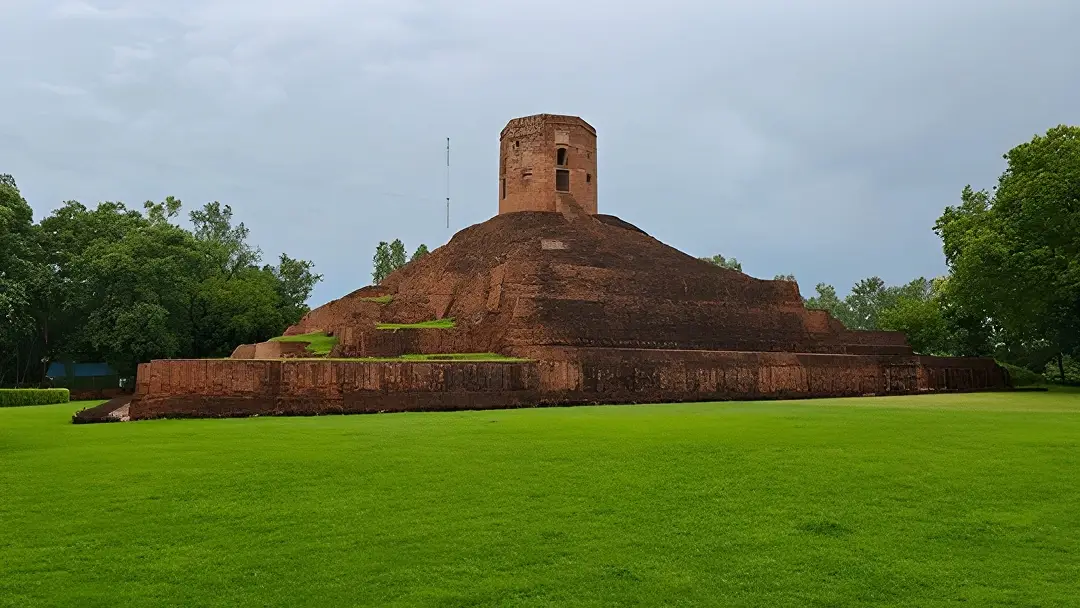
Standing as a sentinel at the entrance, this stupa is another major attraction in Sarnath. It commemorates the spot where the Buddha reconnected with his first five disciples.
Originally a terraced Gupta temple, the striking octagonal tower on top was a later addition by Govardhan, the son of Raja Todar Mal, to commemorate the visit of Humayun, the Mughal ruler.
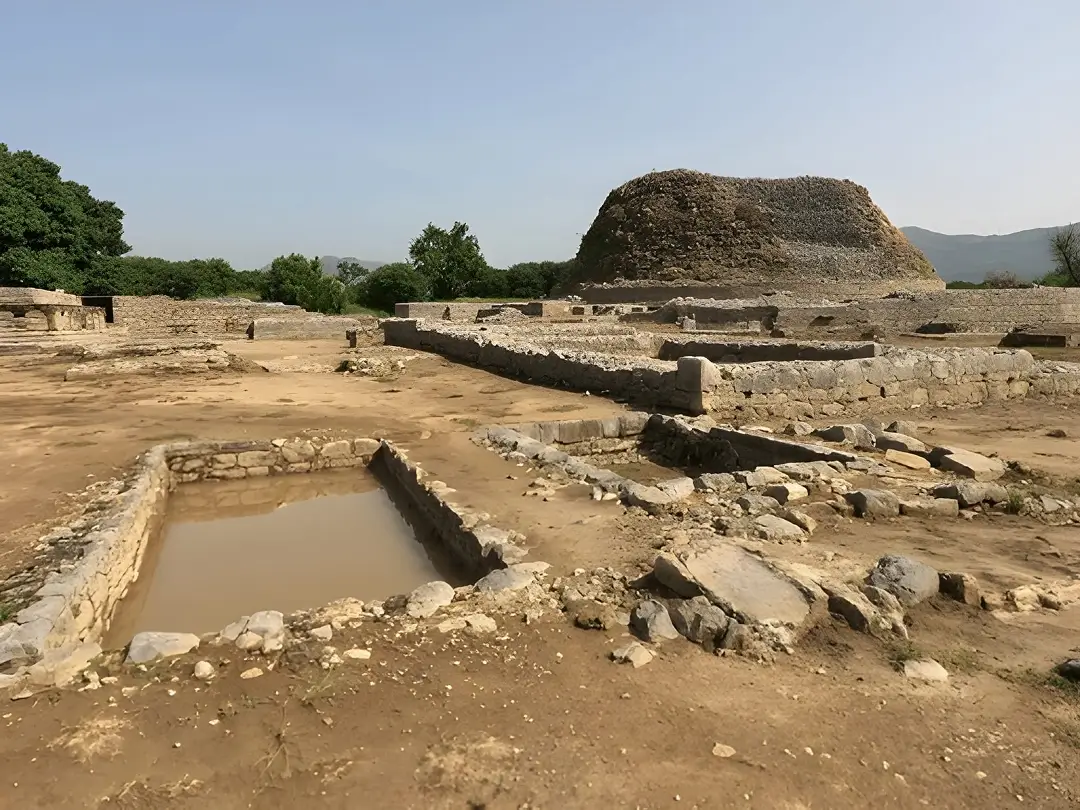
Though only the foundations remain after its 18th-century destruction, the energy of this sacred site in Sarnath is palpable. Built by Emperor Ashoka, this was one of the few stupas believed to have originally housed ashes of the Buddha himself.
As you stand before its circular ruins, encircled by verdant gardens, you are connecting with one of the earliest and most sacred acts of Buddhist worship: the veneration of the Buddha's everlasting presence.
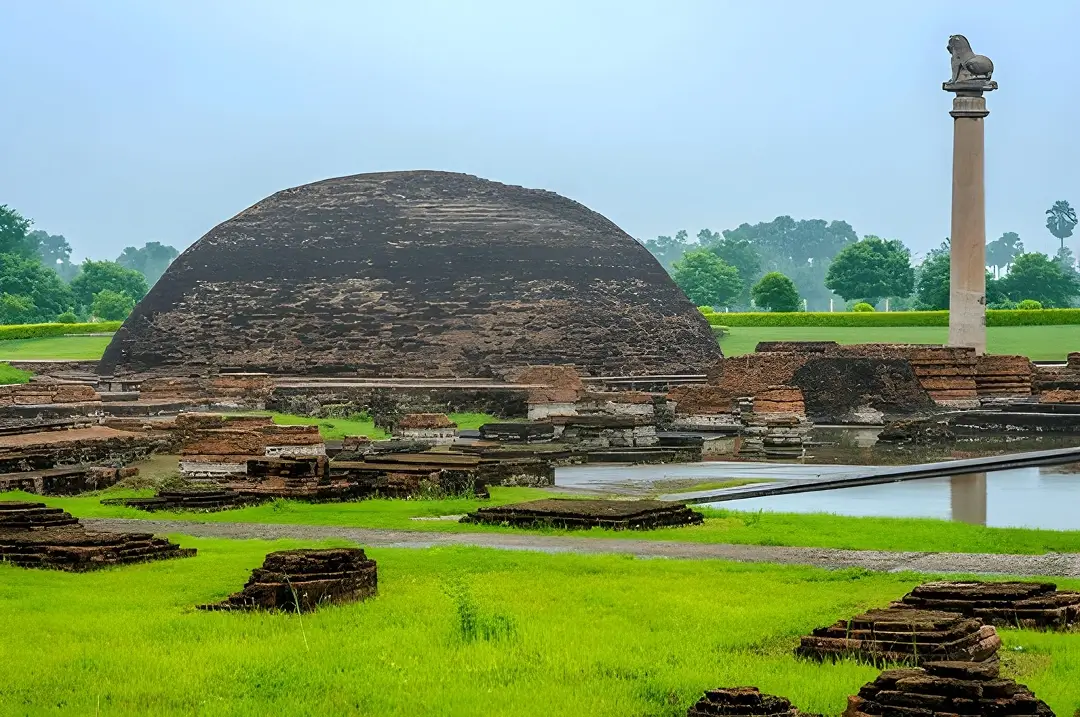
While only fragments of the original pillar remain on-site, the significance of Ashoka’s Pillar is monumental. Inscribed with Ashoka's edicts promoting Dharma and peace, it symbolized the emperor's spiritual and political sovereignty.
The magnificent Lion Capital, a sculpture of four lions facing the cardinal directions, was once perched atop this pillar. Today, it is preserved in the Sarnath Museum and serves as the National Emblem of India.
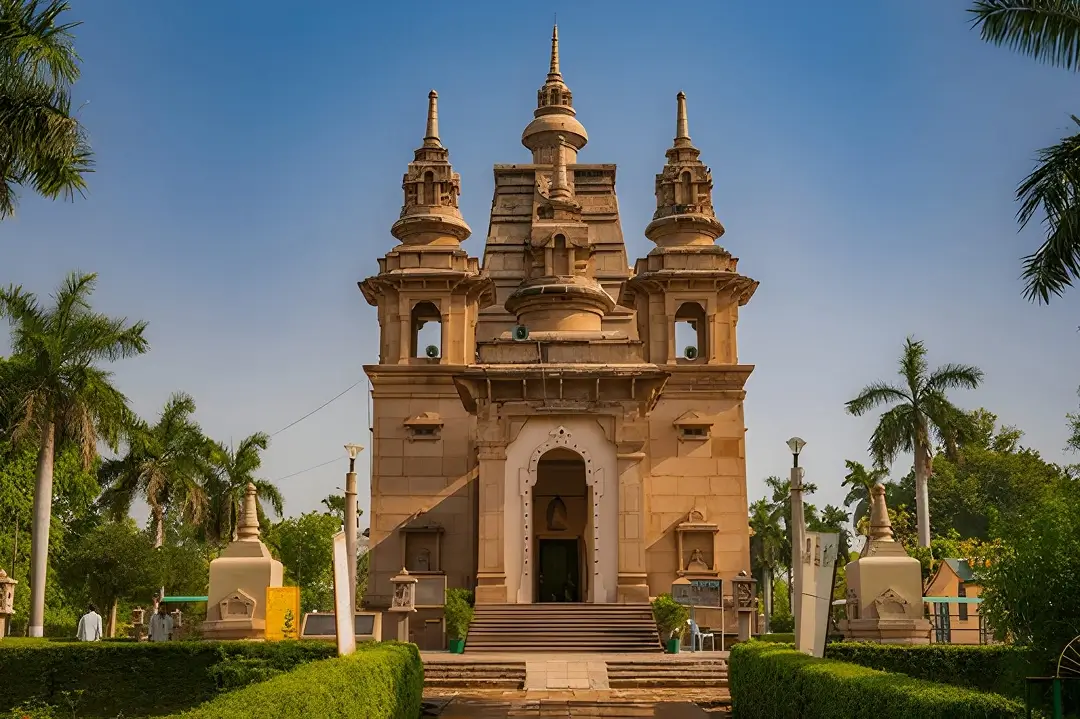
This modern temple, built in 1931 by the Maha Bodhi Society, effectively revitalized Sarnath as a Buddhist pilgrimage site. Its main draw is the breathtaking interior frescoes painted by the celebrated Japanese artist Kosetsu Nosu, vividly depicting the life of the Buddha.
The temple is a center of activity during Buddha Purnima, with processions, chantings, and lamp lighting that bring the entire area to life.
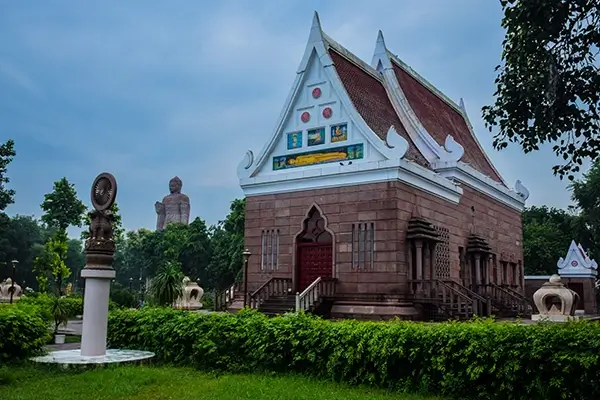
A stunning example of Thai architecture, this temple in Sarnath, with its multi-layered, sloping roofs, golden accents, and serene gardens surrounding a towering statue of a standing Buddha, radiates tranquility.
It’s a beautiful testament to the cultural diversity of the global Buddhist community that reveres Sarnath.
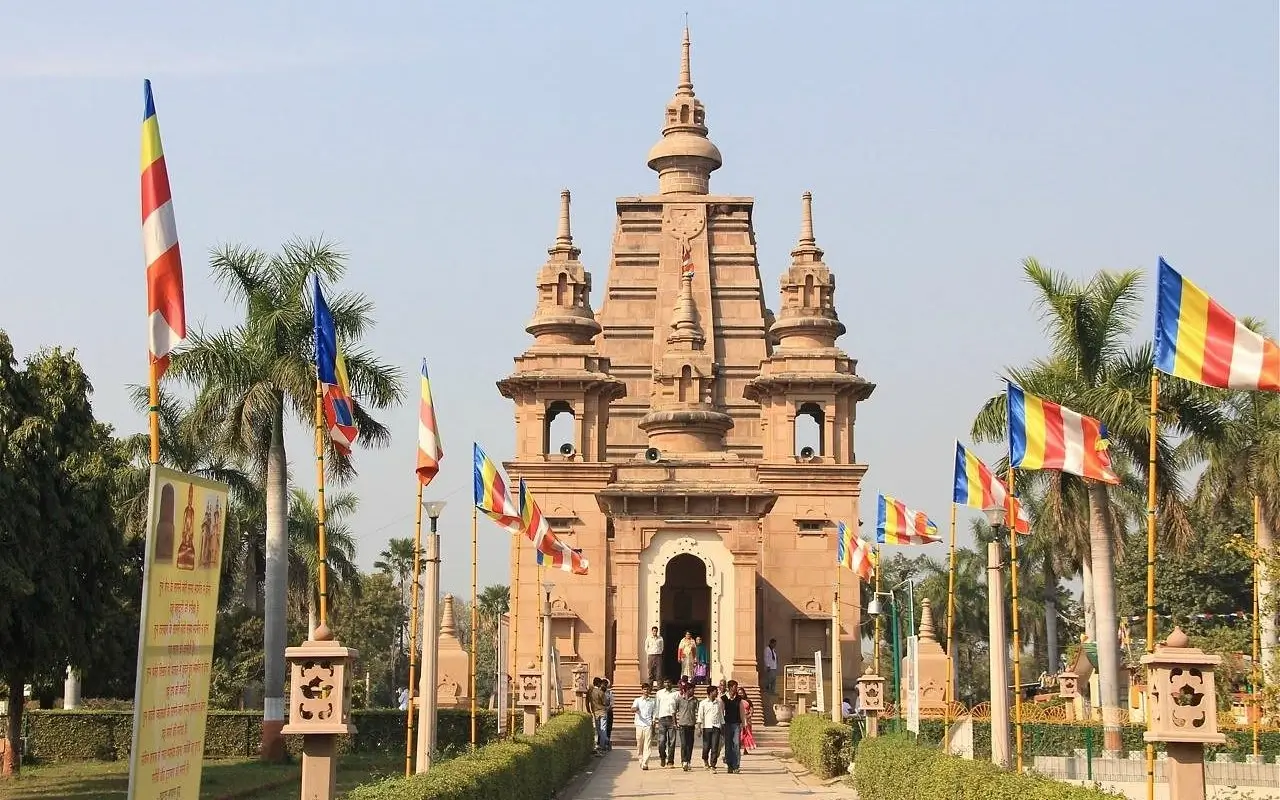
Step through an entrance lined with vibrant prayer wheels and enter a world of Tibetan artistry. The temple is famed for its magnificent Thangka paintings and a stunning statue of Shakyamuni Buddha. The intricate murals illustrate Buddhist cosmology and philosophy, offering a profound visual teaching.
It's a sanctuary that showcases the deep spiritual connection between Tibetan traditions and the historical roots of Sarnath.
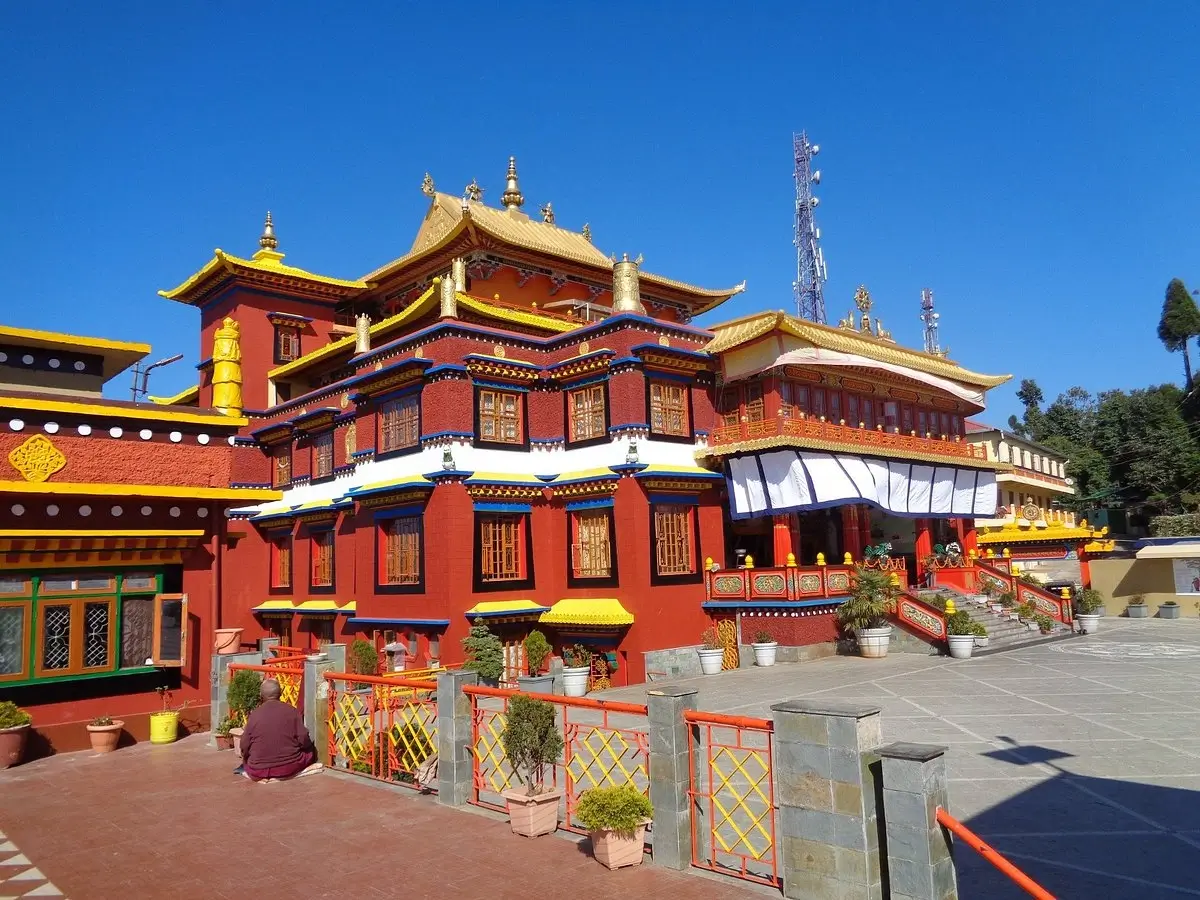
These institutions in Sarnath offer a glimpse into the disciplined, contemplative life of monks and nuns dedicated to study and meditation. Featuring classic Tibetan monastic design, bright colors, intricate frescoes, and prayer flags fluttering in the breeze, they are active centers of Buddhist learning.
The Nunnery, in particular, offers a unique insight into the vital role of women in preserving and practicing Buddhist traditions. A visit here is a chance to witness the Dharma being lived and taught in the present day.
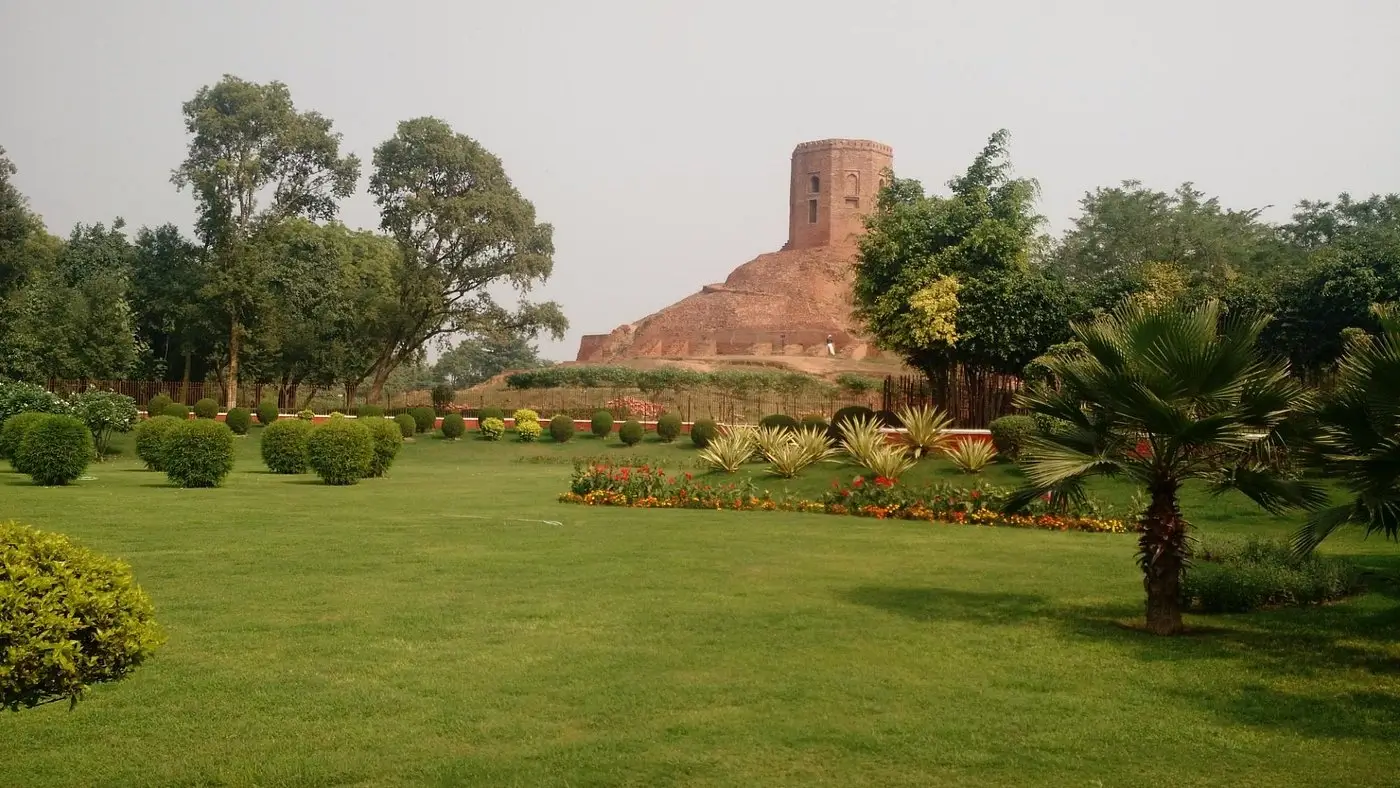
A unique and modern addition, this beautifully landscaped garden in Sarnath offers a tranquil space for reflection. It uses sculptures, installations, and even Ayurvedic plants to explain core Buddhist teachings in an accessible way.
Follow the well-groomed paths, pause by serene water bodies, and engage with philosophies of peace and kindness in a calm, natural setting.
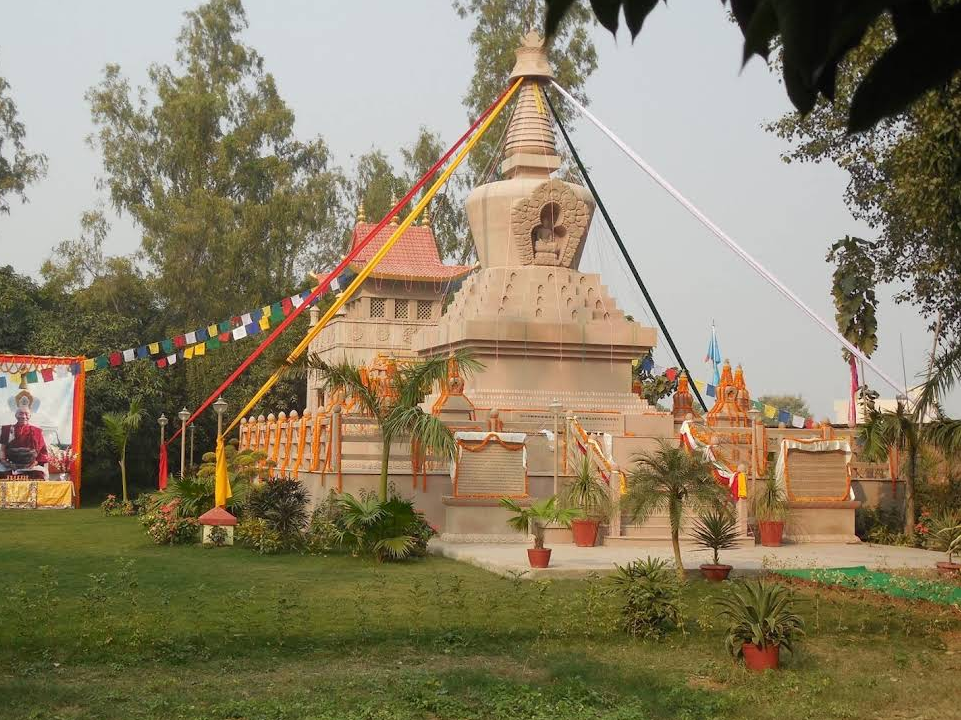
This elegant stupa in Sarnath, built in classic Tibetan style, is a tribute to a revered Tibetan master. It serves as a focal point for devotion and a source of inspiration for students of his teachings.
The structure itself is a complex symbol of the path to enlightenment, radiating a powerful sense of compassion and wisdom.
Book the Varanasi Religious Tour Packages at 30% Off. For Booking Call at +91-9212777225.