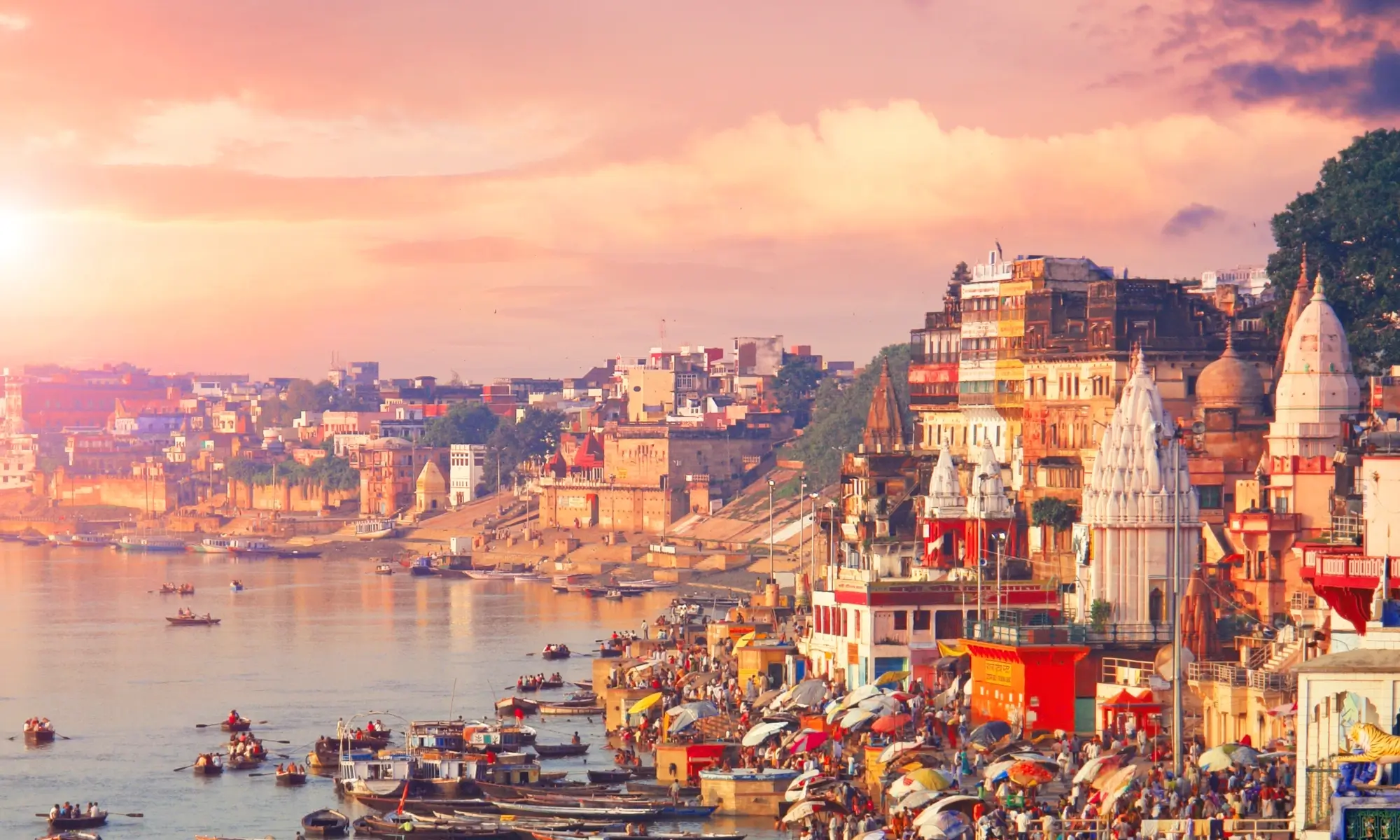
A Living Confluence of Mythology, Ritual & Human Faith
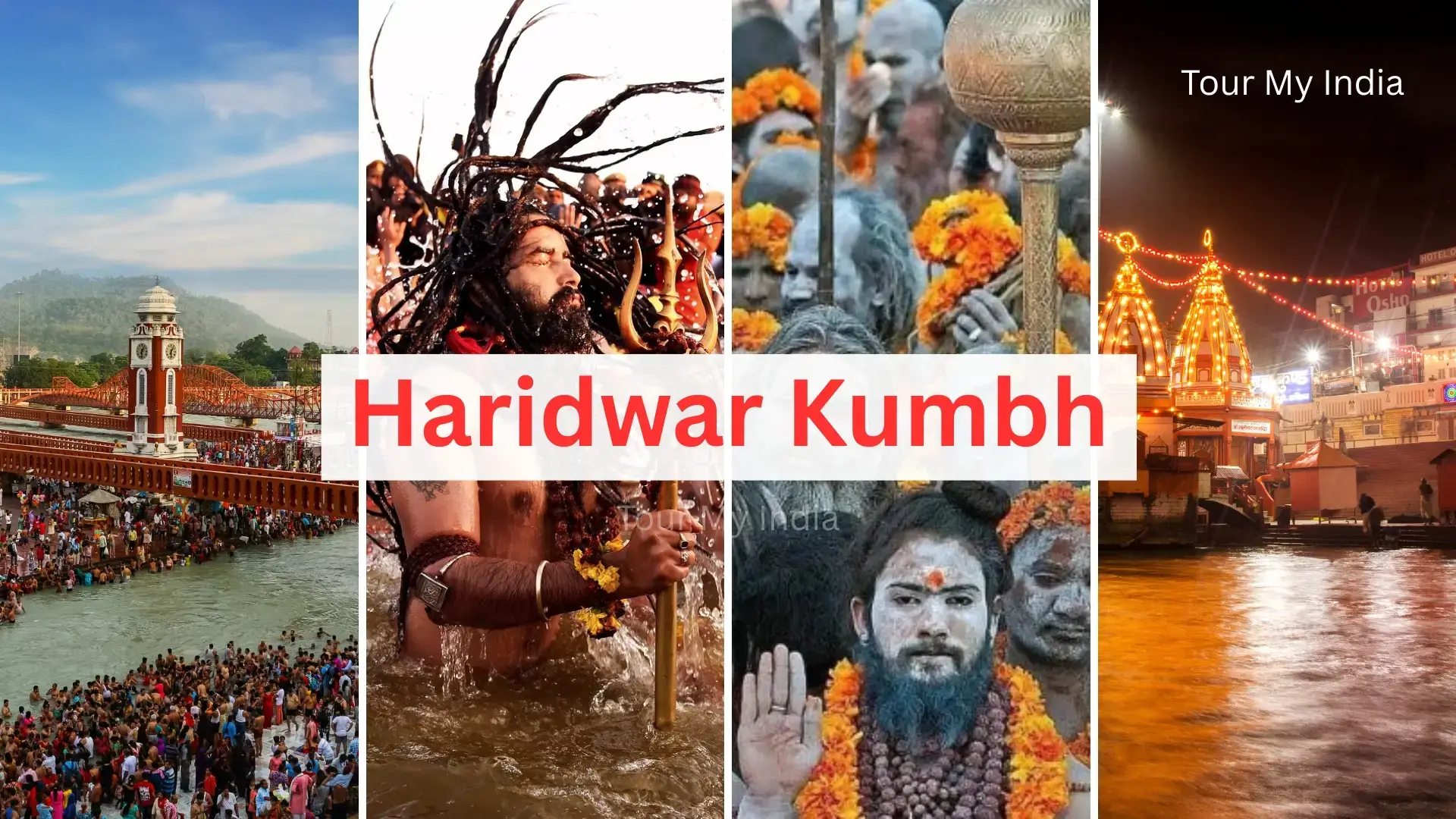
The Haridwar Kumbh 2027 marks the Ardh Kumbh Mela, a spiritually significant gathering held once every six years on the banks of the holy Haridwar. While smaller in scale than the full Kumbh at Prayagraj, Haridwar’s Kumbh is more intense and more river-focused, drawing millions of pilgrims into a compact sacred geography shaped by centuries of belief.
Unlike expansive Kumbh grounds elsewhere, Haridwar’s Ardh Kumbh unfolds along narrow ghats and canalized stretches of the Ganga, making timing, movement, and planning essential. The city transforms into a spiritual ecosystem of ritual bathing, akhara camps, discourses, processions, and pilgrim routes operating continuously for weeks.
Haridwar Kumbh 2027 is best experienced with clear expectations. It is profoundly rewarding for spiritually inclined travelers and cultural explorers but demands patience, stamina, and thoughtful scheduling. This guide explains the why, when, and how of attending the Ardh Kumbh, so your experience is meaningful rather than overwhelming.
What Is the Kumbh Mela? (History & Significance)

The Kumbh Mela is one of the world’s oldest and largest religious gatherings, held cyclically at four sacred locations: Haridwar, Prayagraj, Nashik, and Ujjain. At Haridwar, the Ardh Kumbh takes place every six years, while the full Kumbh follows a twelve-year cycle.
Historical Roots
The formal organization of the Kumbh is widely attributed to Adi Shankaracharya in the 8th century, who encouraged the coming together of ascetic orders, philosophers, and devotees to strengthen Hindu spiritual traditions. Historical records, including accounts by the Chinese traveller Xuanzang, describe massive riverside assemblies, charitable acts, and royal patronage centuries ago.
Over time, the Kumbh evolved beyond a religious congregation into a major cultural and social event. Markets, debates, music, and communal kitchens (langars) flourished alongside ritual practice, reinforcing the Kumbh’s role as a living, evolving institution rather than a static festival.
Why Kumbh Matters
Spiritually, devotees believe that bathing in the Ganga during specific planetary alignments cleanses accumulated karma and brings spiritual renewal. Culturally, the Kumbh preserves India’s oldest ritual traditions in active practice. Socially, it represents unity: millions gathering peacefully, bound by shared belief.
Today, the scale is unprecedented. Temporary cities rise along the riverbanks, complete with sanitation, security, medical services, and transport systems, making Kumbh both an ancient ritual and a modern logistical phenomenon.
Mythology Behind the Kumbh Mela
Why the Festival Happens the Way It Does
The Kumbh Mela is around mythology. The timing of the festival, the choice of rivers, the order of ritual baths, and even the hierarchy of akharas follow a mythological blueprint that has remained largely unchanged for centuries.
Samudra Manthan: The Origin Story
According to Hindu mythology, the Kumbh Mela is connected to the Samudra Manthan, the cosmic churning of the ocean by gods and demons to obtain amrit, the nectar of immortality. As Lord Vishnu carried the pitcher of nectar, four drops fell on Earth: at Haridwar, Prayagraj, Nashik, and Ujjain, sanctifying these locations. This explains why the Kumbh is not annual and why specific planetary alignments determine its timing and location, including the Ardh Kumbh at Haridwar in 2027.
The Descent of the Ganga
Another foundational legend tells of King Bhagirath’s penance, which brought the Ganga from the heavens to Earth through Lord Shiva’s matted locks. Since then, the river has been revered as a purifier of sins and a path to liberation. For pilgrims, this belief transforms the act of bathing from symbolism into a once-in-a-lifetime spiritual reset, especially during Ardh Kumbh cycles, when the river is believed to carry heightened purifying power.
Cosmic Alignments & Sacred Timing
The Kumbh’s timing depends on the positions of the Sun, Moon, and Jupiter. These alignments determine Amrit Snan dates, when the river is believed to be spiritually charged at its peak. This directly influences crowd size, security arrangements, access routes, and the sequence in which ascetic orders enter the river.
Akharas and Ascetic Orders
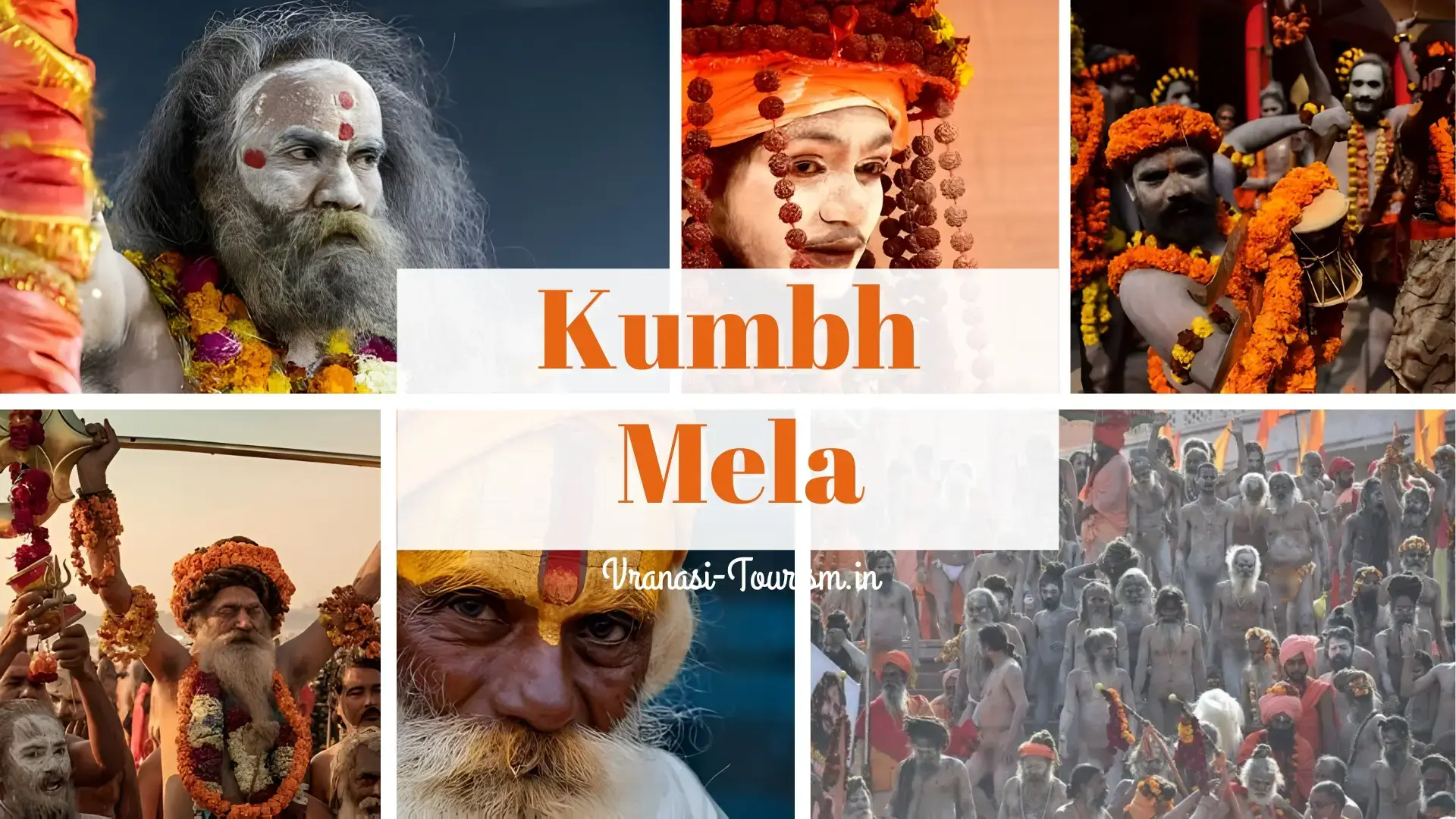
The presence of sadhus, especially Naga Sadhus, represents centuries-old traditions of renunciation and discipline. The order in which akharas participate in Shahi Snan (Royal Bath) follows a strict hierarchy rooted in mythology and tradition, explaining why certain processions attract massive crowds and heightened security.
How Belief Shapes What You Actually Experience
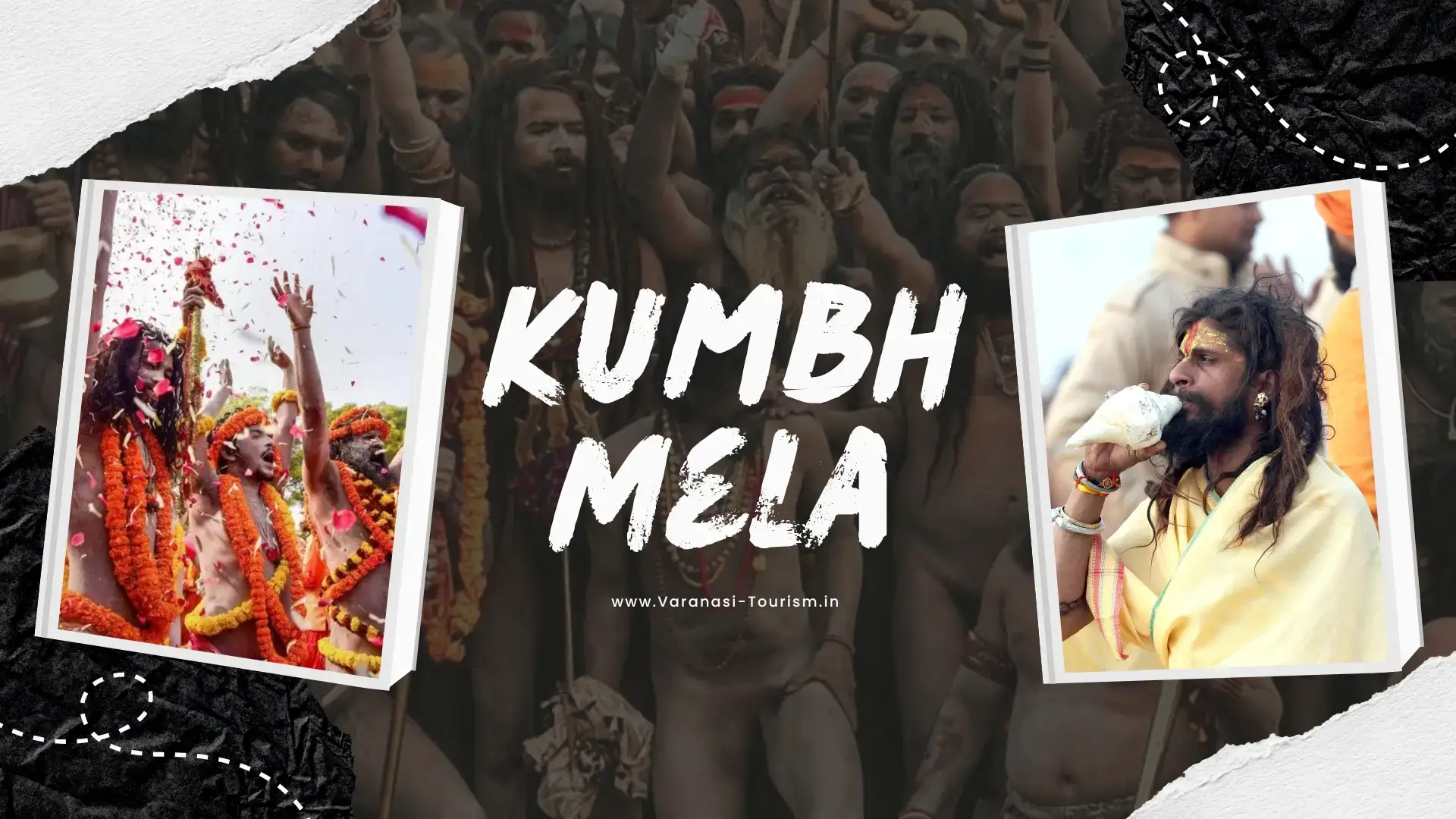
Mythology decides timing. Rituals shape movement. Movement defines visitor experience Understanding this flow is key to experiencing Haridwar Kumbh 2027 with ease. Peak snan (bathing) days are intense, crowded, and emotionally charged. Non-peak days allow calmer exploration, deeper conversations with sadhus, and easier access to camps and discourses. Those who understand this rhythm experience the Kumbh as profound rather than exhausting.
Kumbh Mela 2027 Important Dates & Planning Windows
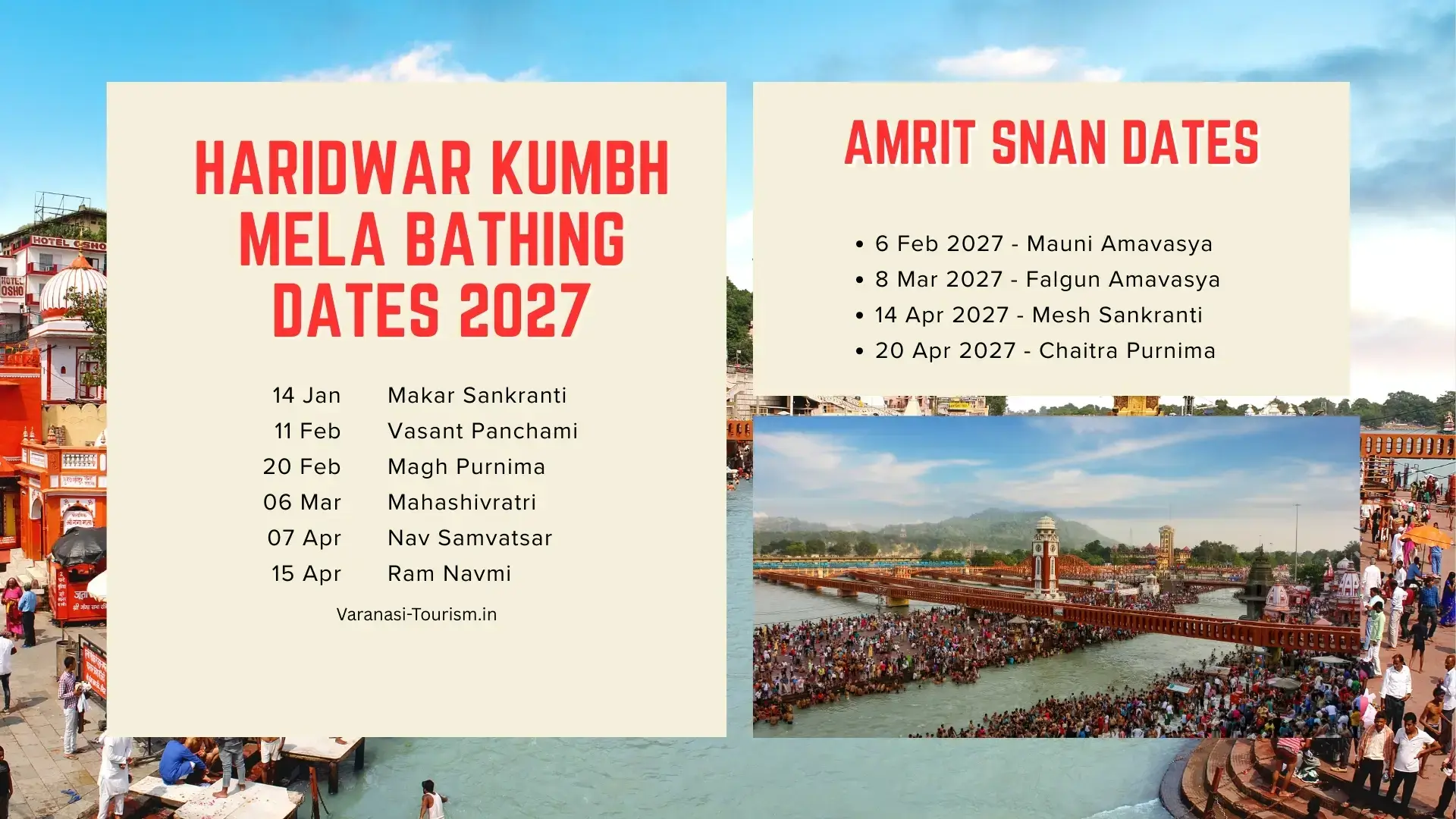
- Event: Haridwar Ardh Kumbh Mela
- Year: 2027
- Duration: 14 January to 20 April 2027
Haridwar Kumbh 2027 Bathing Dates
- 14 Jan 2027 - Makar Sankranti
- 6 Feb 2027 - Mauni Amavasya (Amrit Snan)
- 11 Feb 2027 - Vasant Panchami
- 20 Feb 2027 - Magh Purnima
- 6 Mar 2027 - Mahashivratri
- 8 Mar 2027 - Falgun Amavasya (Amrit Snan)
- 7 Apr 2027 - Nav Samvatsar
- 14 Apr 2027 - Mesh Sankranti (Amrit Snan)
- 15 Apr 2027 - Ram Navmi
- 20 Apr 2027 - Chaitra Purnima (Amrit Snan)
Note: Exact Amrit Snan dates will be announced closer to the event based on astrological calculations.
Planning Insight
- Peak snan days suit experienced pilgrims prepared for long walks, early mornings, and dense crowds
- First-time visitors often prefer arriving 2–3 days before or after major snan dates for a more manageable experience
Key Destinations in Haridwar During Kumbh
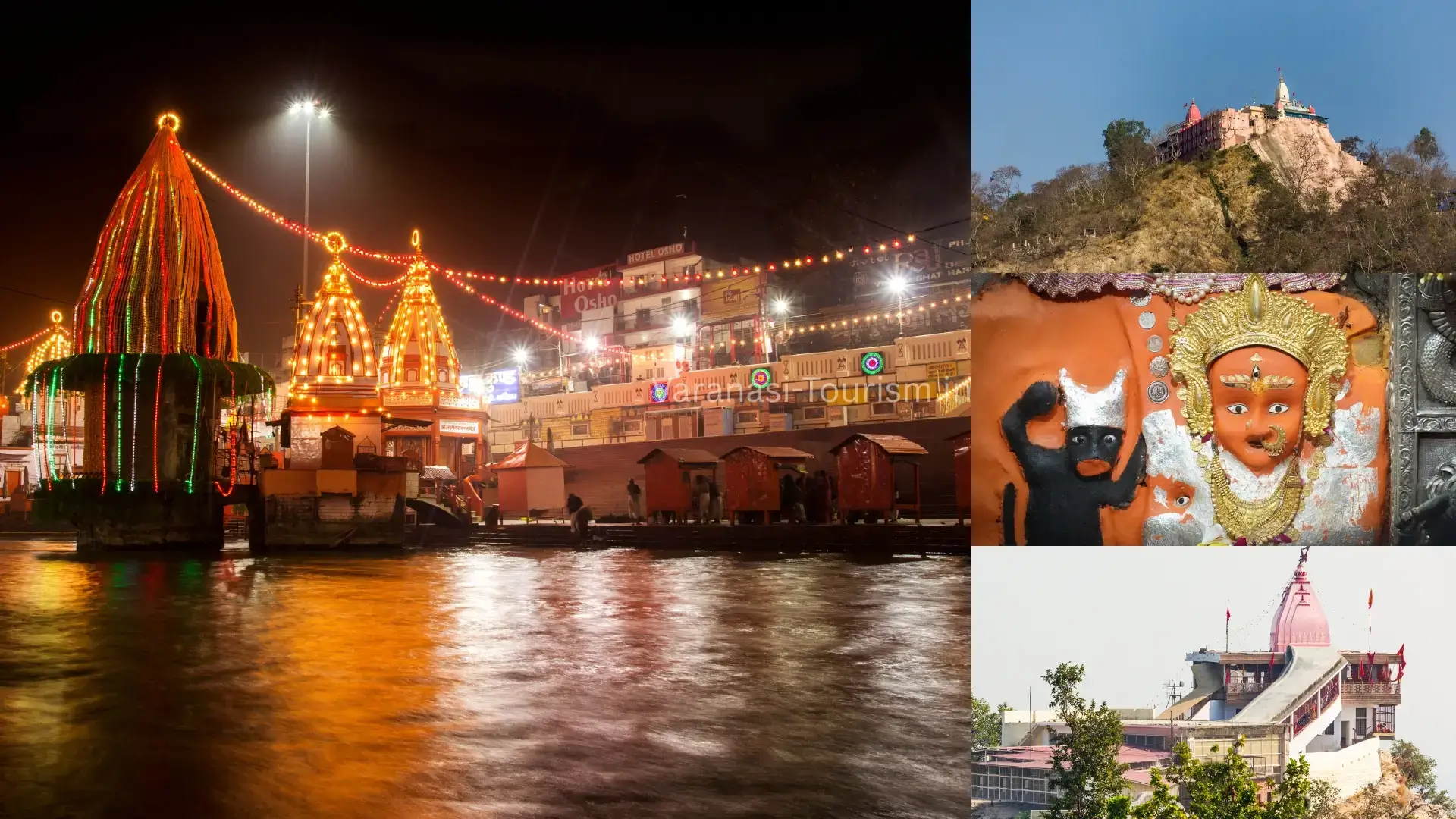
Har Ki Pauri: The Spiritual Nerve Center
This is the most sacred bathing ghat in Haridwar and the site of the primary rituals during Ardh Kumbh. During major snan (bathing) days, access is strictly regulated, and entry windows may be time-bound.
- Between 3:00 AM and 4:00 AM, the atmosphere is defined by the metallic clanging of temple bells and thousands of diyas flickering on dark, glacial water. By noon, the energy shifts into a high-density, high-decibel crowd environment.
- During Shahi Snan (Royal Baths), access to the main steps is strictly reserved for the Akharas (ascetic orders). Individual pilgrims are often diverted to secondary canalized stretches by security forces.
Tip: If the main ghat is barricaded, move toward Malviya Ghat. It shares the same spiritual proximity to the Brahmakund but often offers more "breathable" space for your ritual bath.
Mansa Devi & Chandi Devi: The Hilltop Shrines
Mansa Devi is a hilltop shrine reached by ropeway, and it is popular for blessings and panoramic views of Haridwar. Chandi Devi is located atop Neel Parvat and is often visited alongside Mansa Devi as part of a traditional pilgrimage circuit.
- Reaching these temples provides a panoramic view of the city below, offering a rare moment of perspective over the Mela grounds.
- While the ropeways offer speed, the wait times during peak days can become a significant "travel time drain."
Tip: Those with mobility concerns should prioritize the ropeway but only attempt this on non-peak days. If you are seeking quietude, these shrines are best visited during the midday lull between bathing windows.
Sapt Rishi Ashram: A Quiet Reflection
Located where the Ganga is said to have split into seven streams to avoid disturbing the seven meditating sages, the Sapta Rishi Ashram is a quieter spiritual retreat, ideal for reflection away from peak crowds.
- This area offers a stark contrast to the "crush" energy of Har Ki Pauri. It is a place of deep silence, ancient banyan trees, and focused meditation.
- It is situated slightly further from the main city center, making it a reliable retreat for those who feel overwhelmed by the central Mela noise.
Tip: Visit the Sapt Sarovar area in the late afternoon; the way the light hits the seven streams provides a profound "emotional payoff" that the crowded city center lacks.
Major Attractions of the Kumbh Mela
- Shahi Snan (Royal Baths) by akharas
- Akhara processions with drums, flags, and ascetic orders
- Ganga Aarti at Har Ki Pauri each evening
- Spiritual discourses, satsangs, and yoga sessions
- Annadan and langars, reflecting communal harmony
- Cultural performances and handicraft markets
Many of these are best enjoyed on non-peak days, when movement is easier and interactions feel more personal.
Navigating the Sacred Rhythm
- The 4-KM Rule: On peak bathing dates, expect a mandatory walk of several kilometers as private vehicles are regulated far from the riverbanks.
- One-Way Flow: Security forces use gate-control systems; once you move toward the primary ghats, you are part of a continuous flow that prevents walking back against the crowd until the density eases in the afternoon.
- Hierarchy of the Bath: All movement stops to allow the Shahi Snan processions, featuring the drums and flags of the Akharas to pass through the narrow lanes
How to Reach Haridwar?
By Air
Nearest airport: Jolly Grant Airport, Dehradun (35–40 km).
By Train
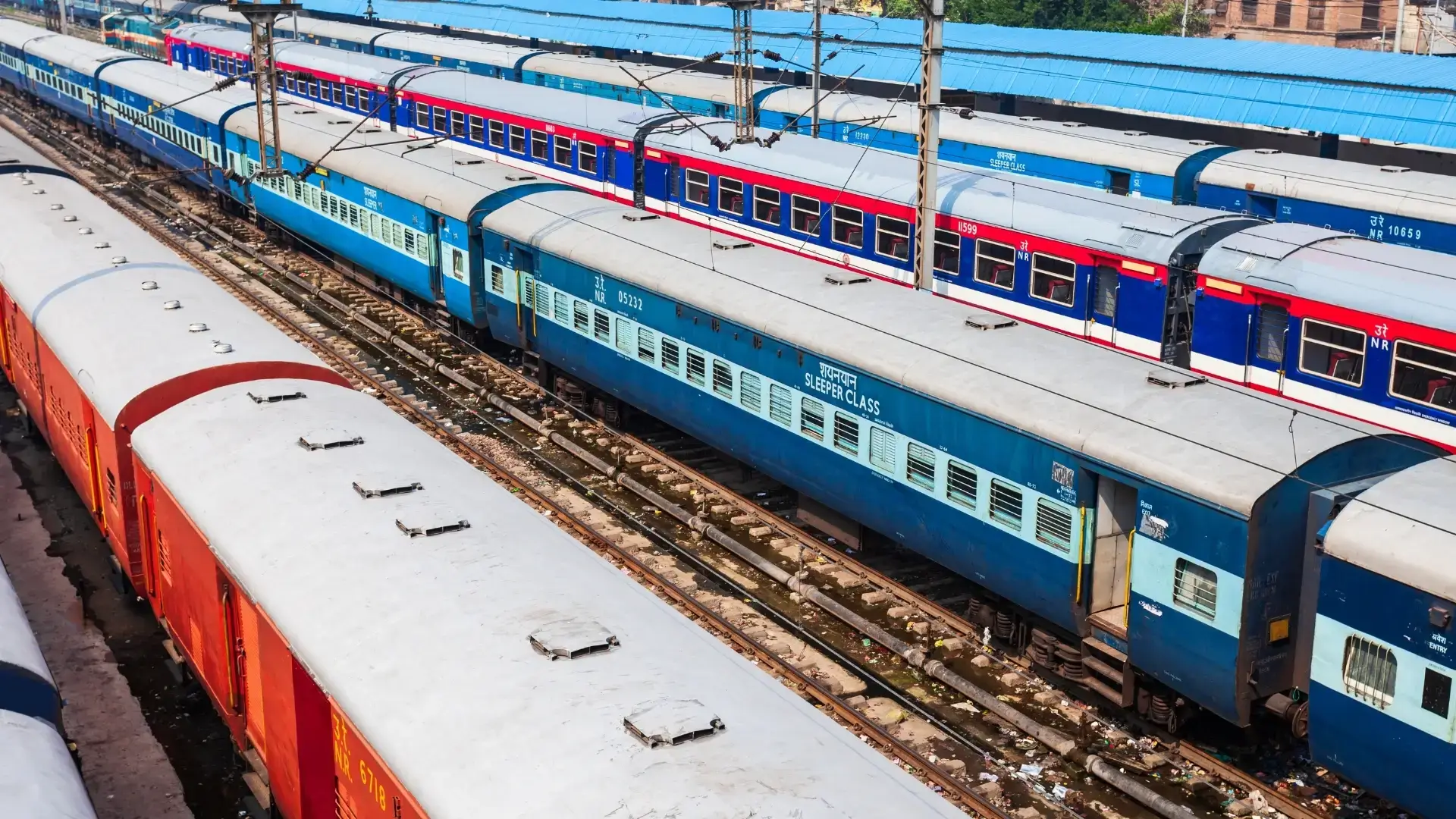
Haridwar Junction connects to major Indian cities. During previous Kumbh Melas, Indian Railways introduced special Kumbh Mela trains and increased frequency on major routes connecting Delhi, Uttar Pradesh, Rajasthan, Maharashtra, and eastern India. Additional coaches and temporary halts at nearby stations have also been arranged during peak bathing periods.
Note: While official announcements for Haridwar Kumbh 2027 will be released closer to the event, travellers can reasonably expect similar arrangements, especially around Amrit Snan dates. Advance booking and flexibility in travel timing remain crucial, as last-minute availability is limited during peak days.
By Road
Well connected by national highways; expect diversions and regulated entry routes during peak days.
Local Transport
E-rickshaws, shared jeeps, shuttle buses, and walking are the most reliable options during the Mela.
Safety & Practical Tips
- Follow official announcements and crowd advisories
- Secure belongings and carry minimal valuables
- Stay hydrated and choose hygienic food options
- Agree on meeting points if travelling with family
- Wear comfortable footwear for long walks
Recommended Reads
- Top Religious Places in Uttar Pradesh
- River Cruise Tourism in Varanasi
- Popular Tourist Attractions in Varanasi
- Varanasi: The World's Second Most Popular Religious Destination
- Kashi Sees Remarkable Tourism Boom
- Popular Attractions in Uttar Pradesh
- India’s Spiritual Express: Vande Bharat to Bridge the Spiritual Circuit
- Haridwar Kumbh Mela 2027
- Varanasi Emerges as a Global Hub for Spiritual Tourism
- 10 Iconic Personalities from Varanasi Who Make India Proud