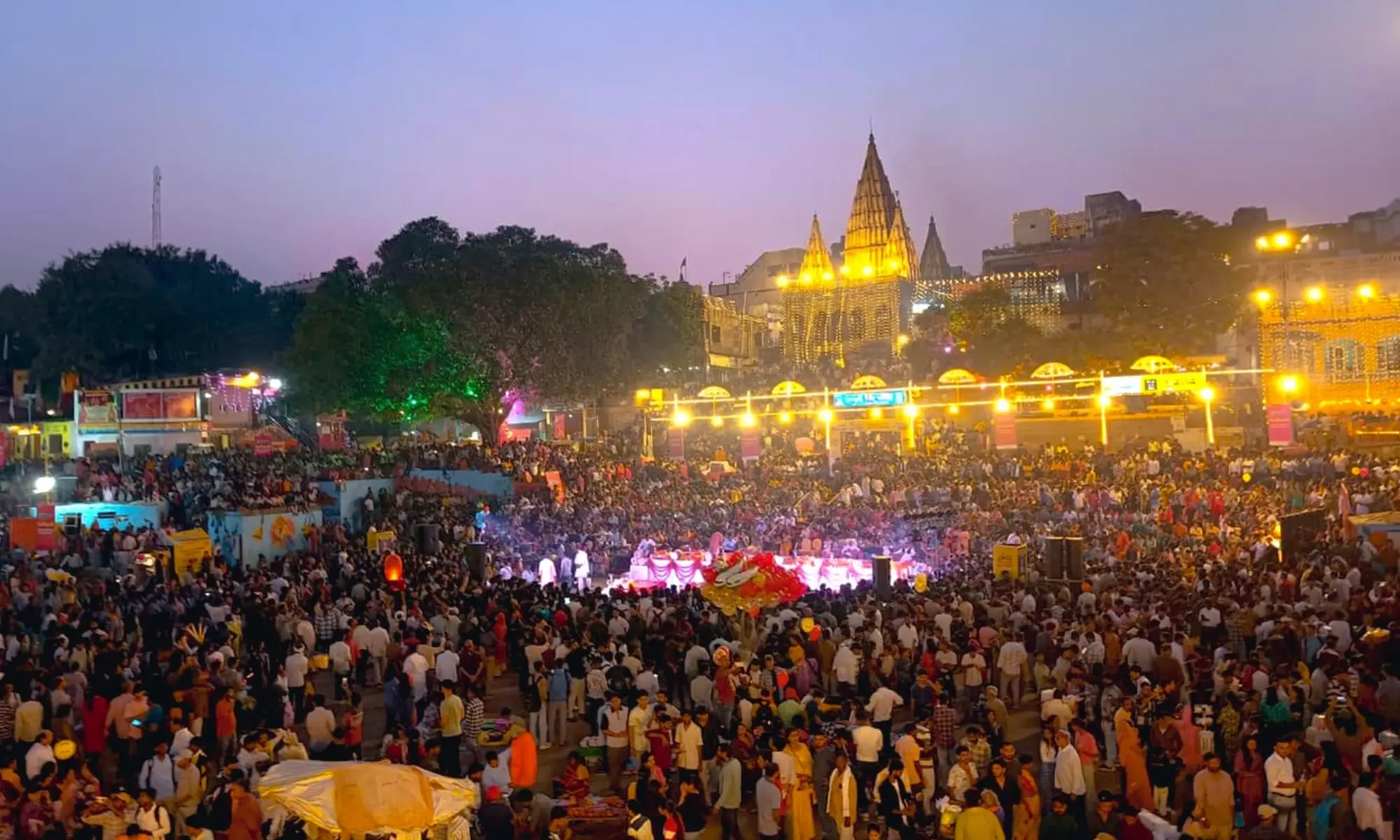
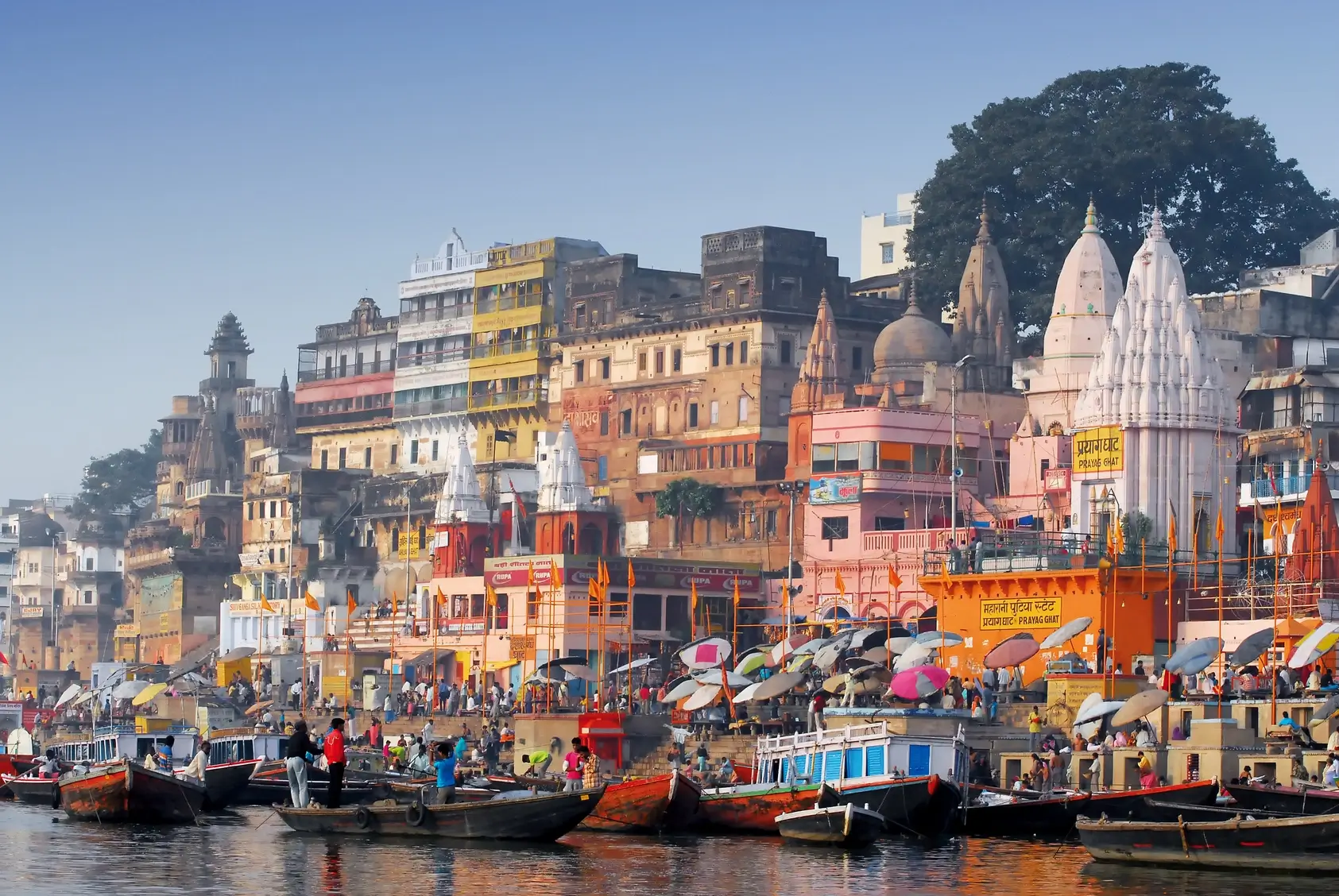
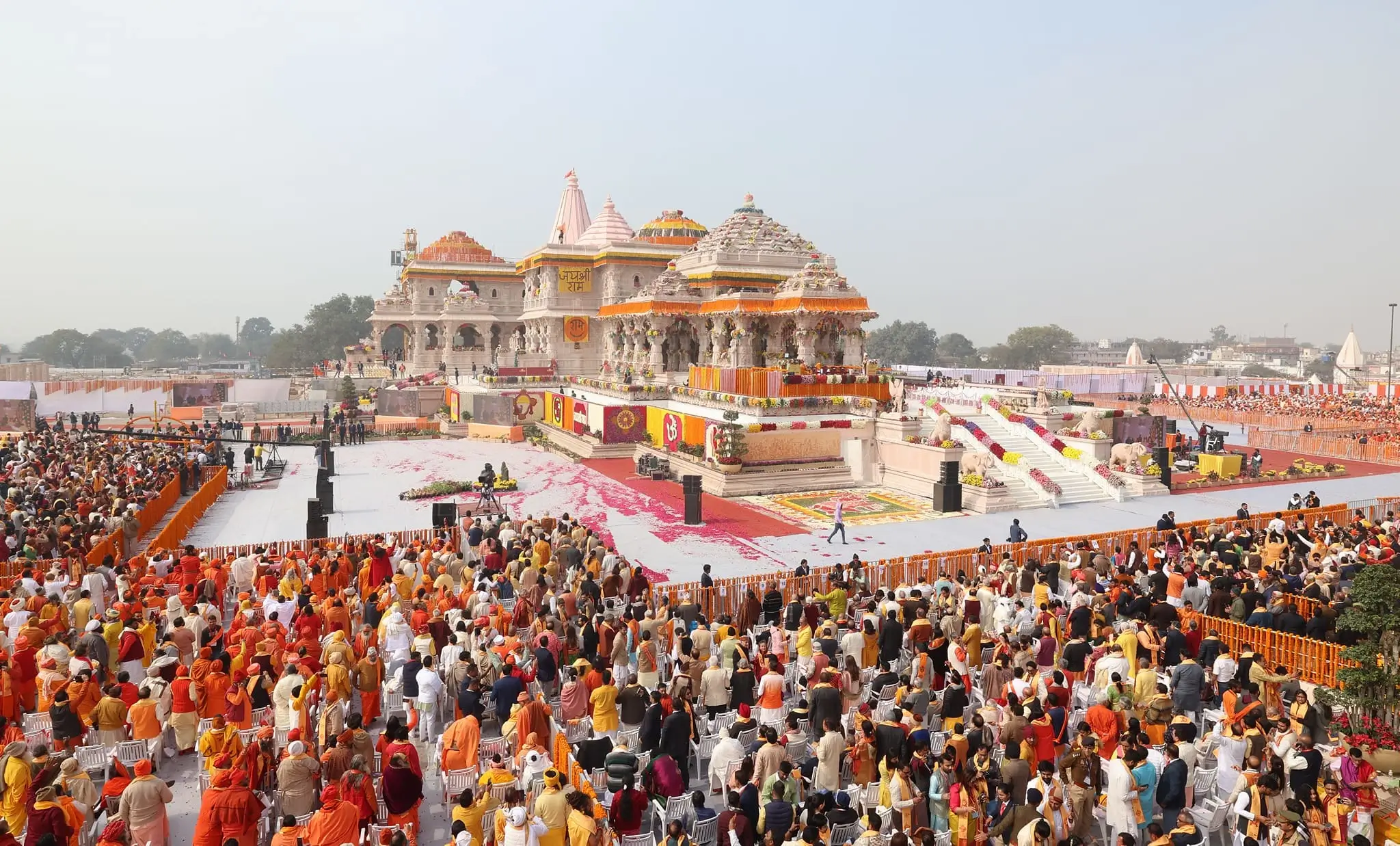
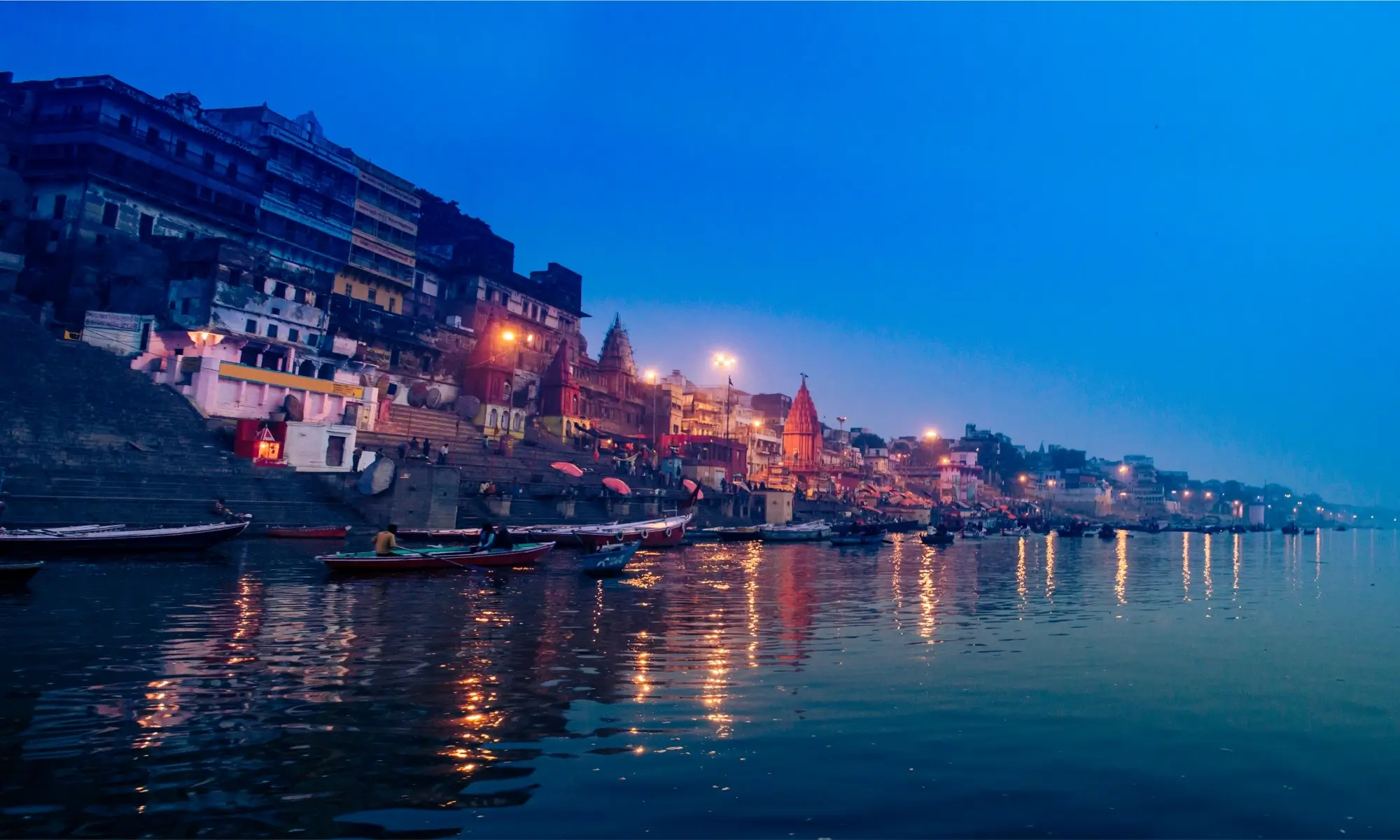
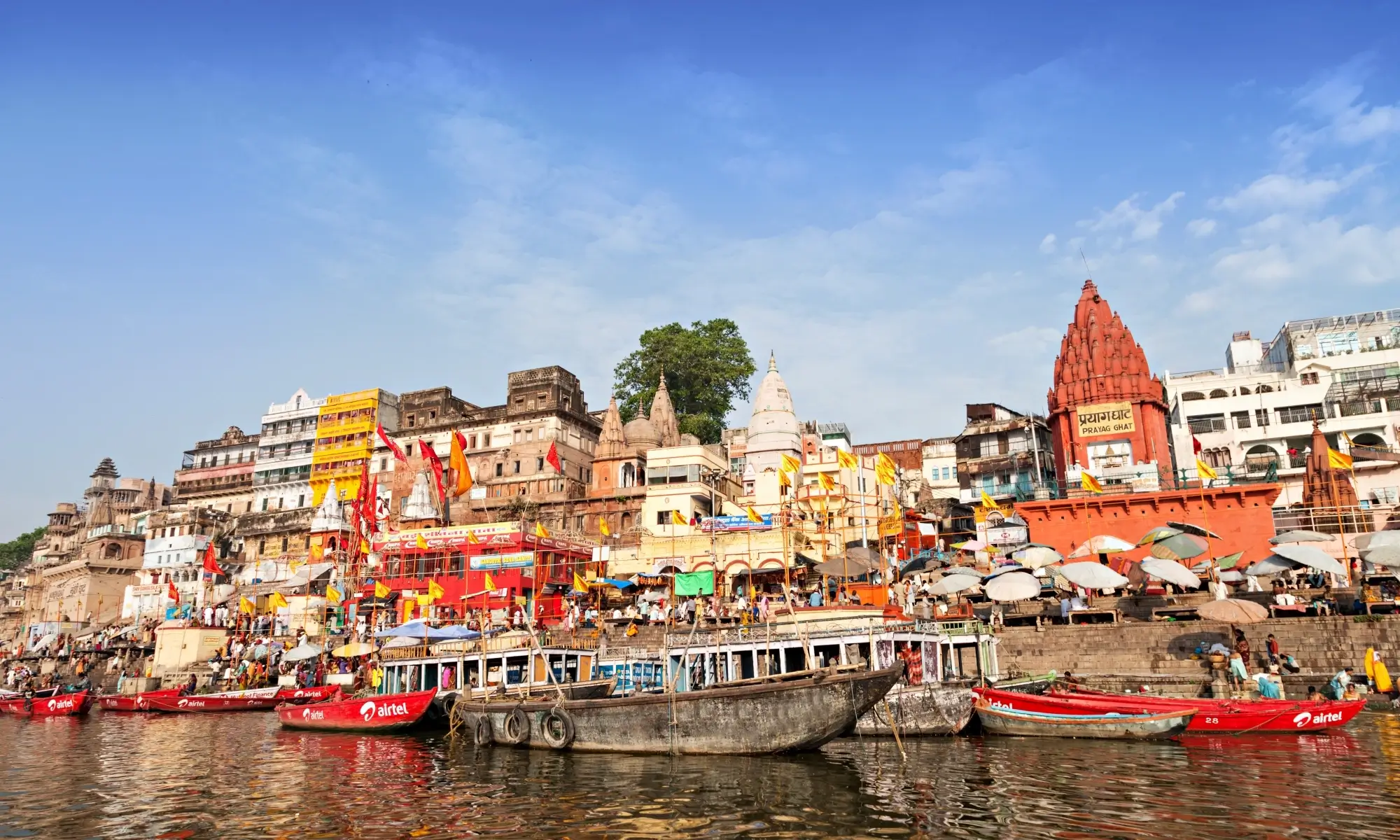
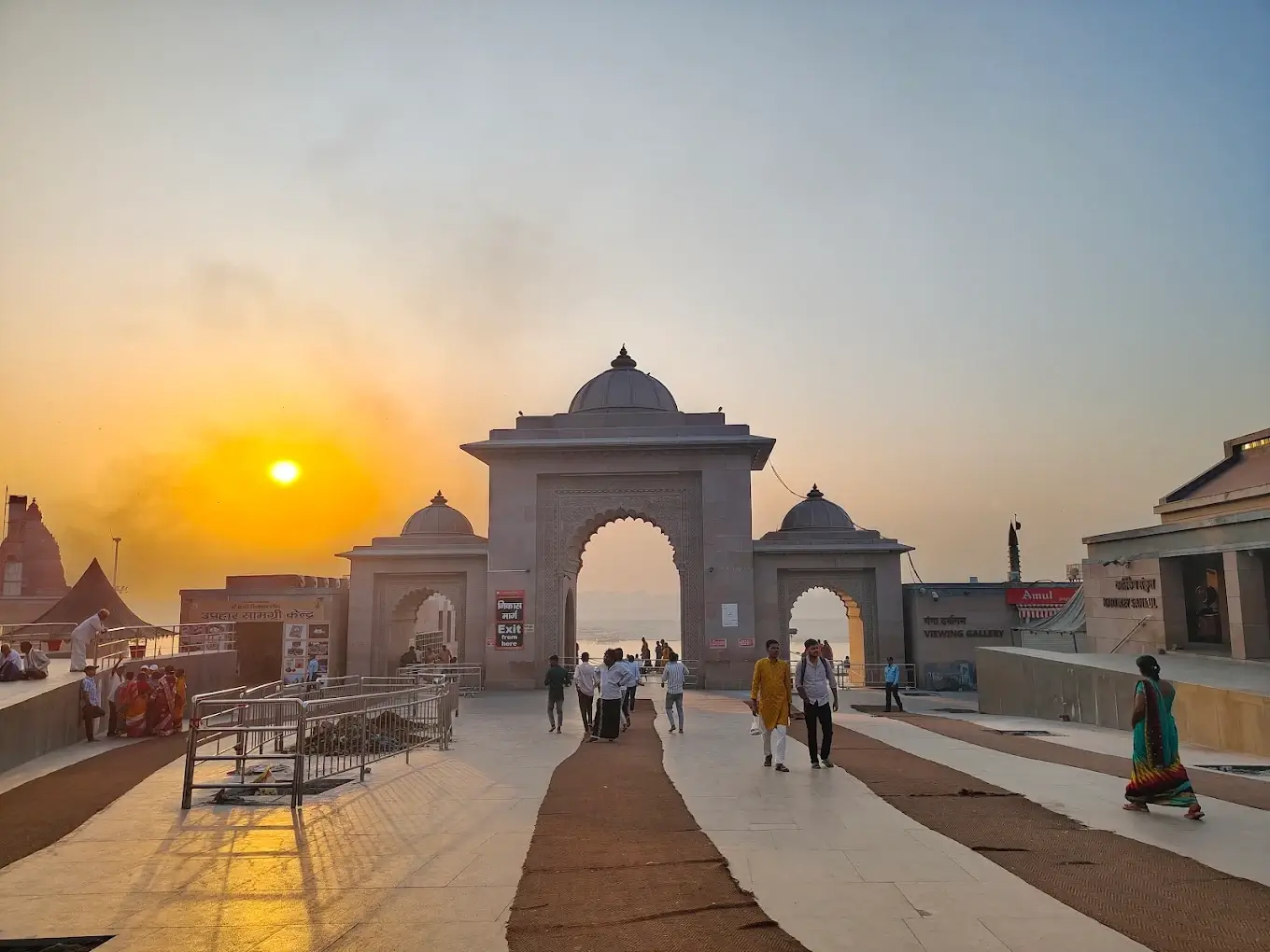
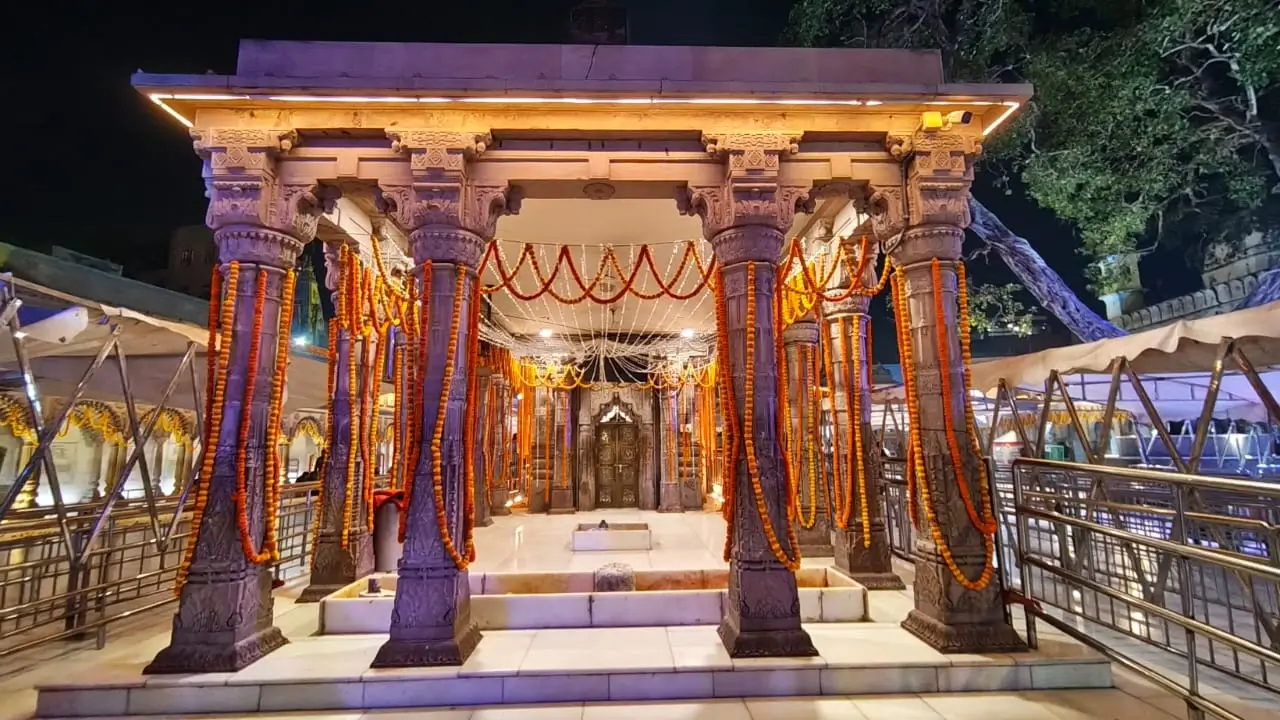
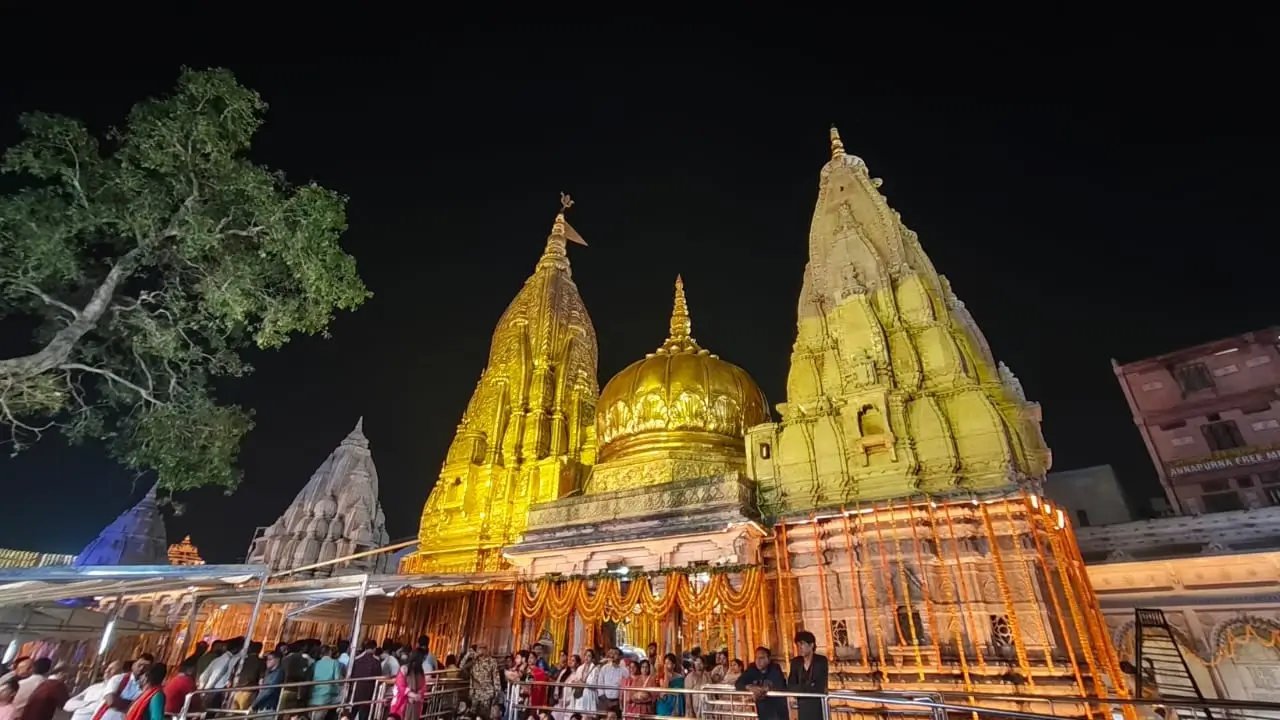
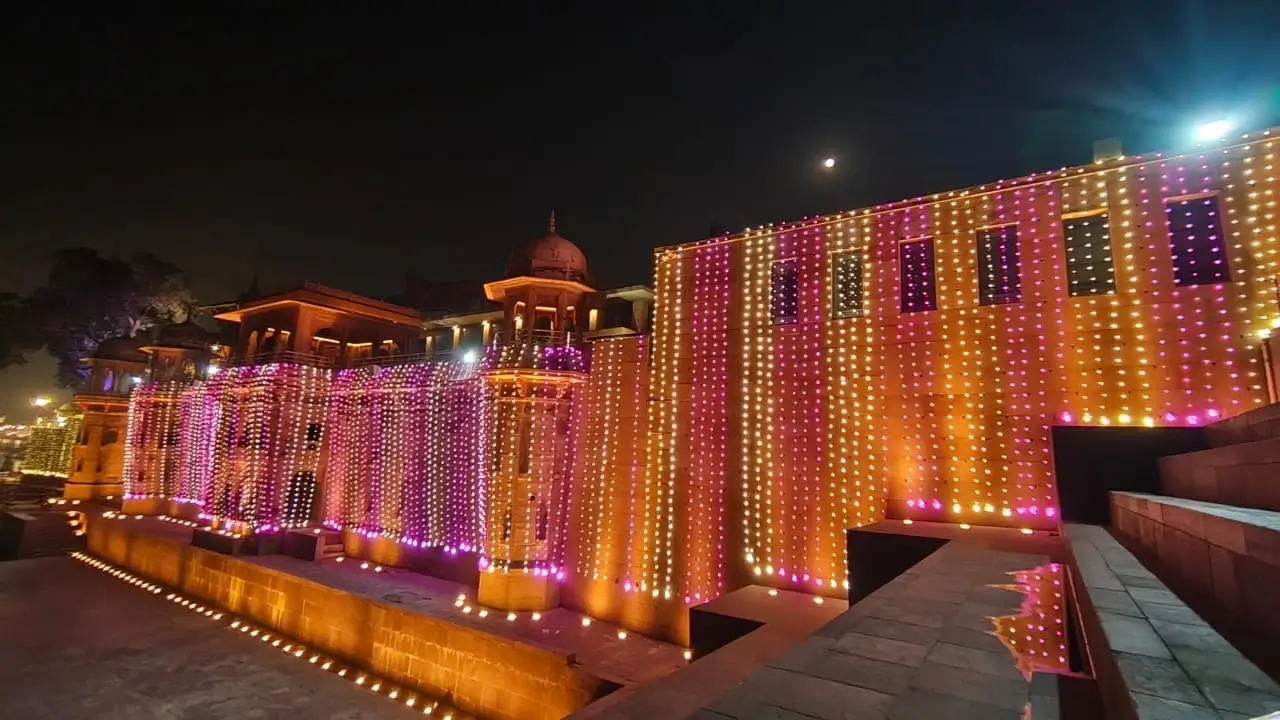
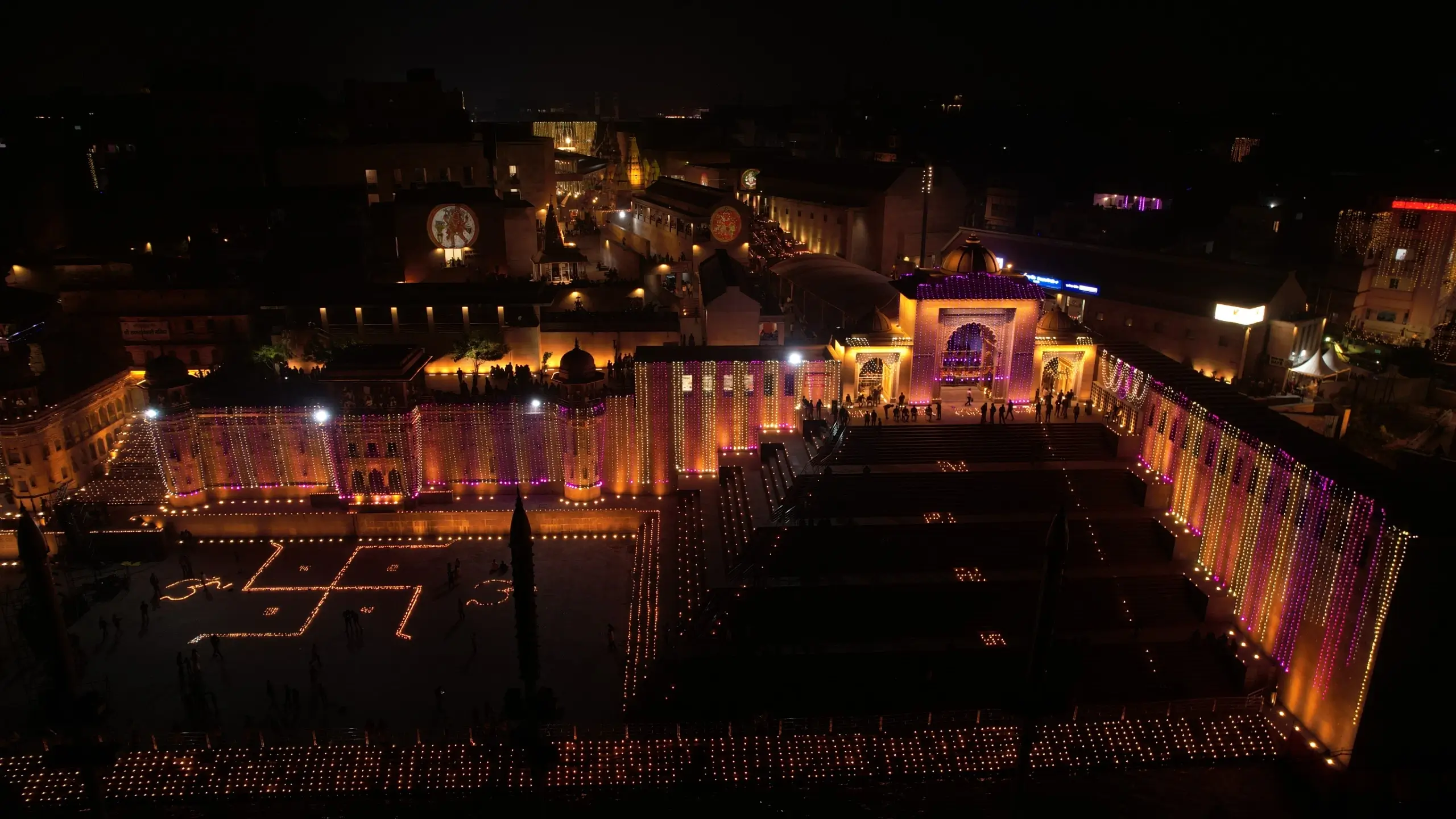
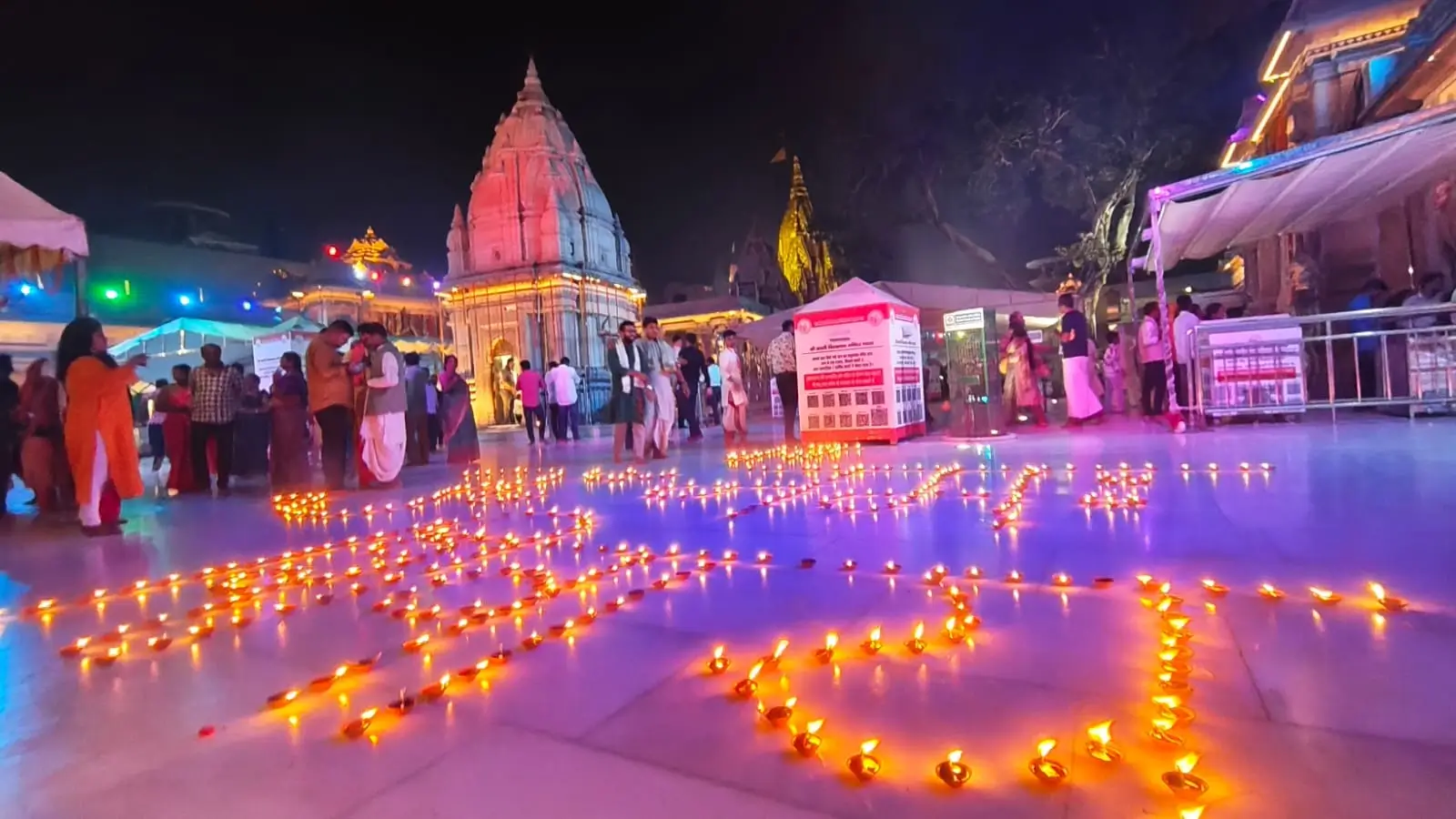
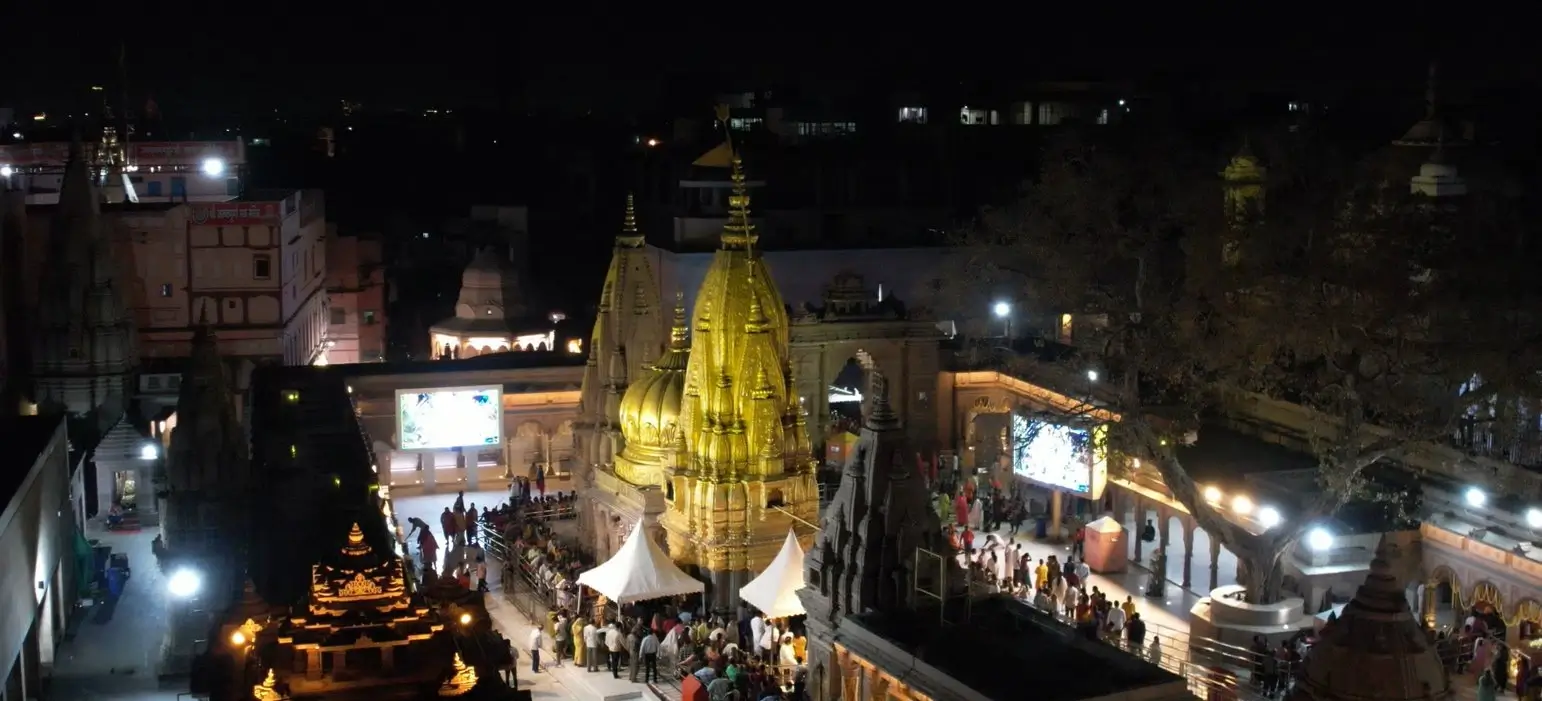
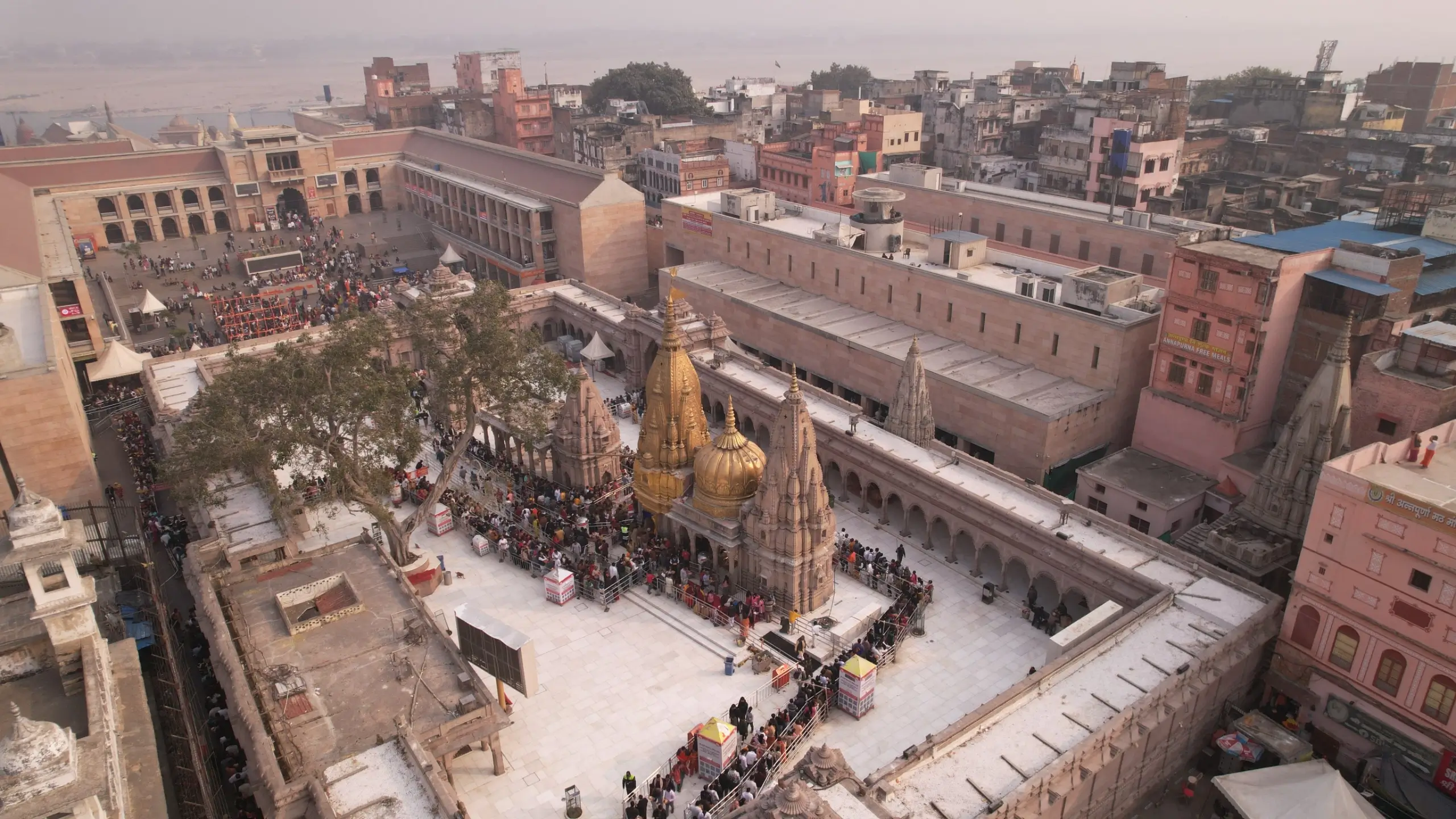
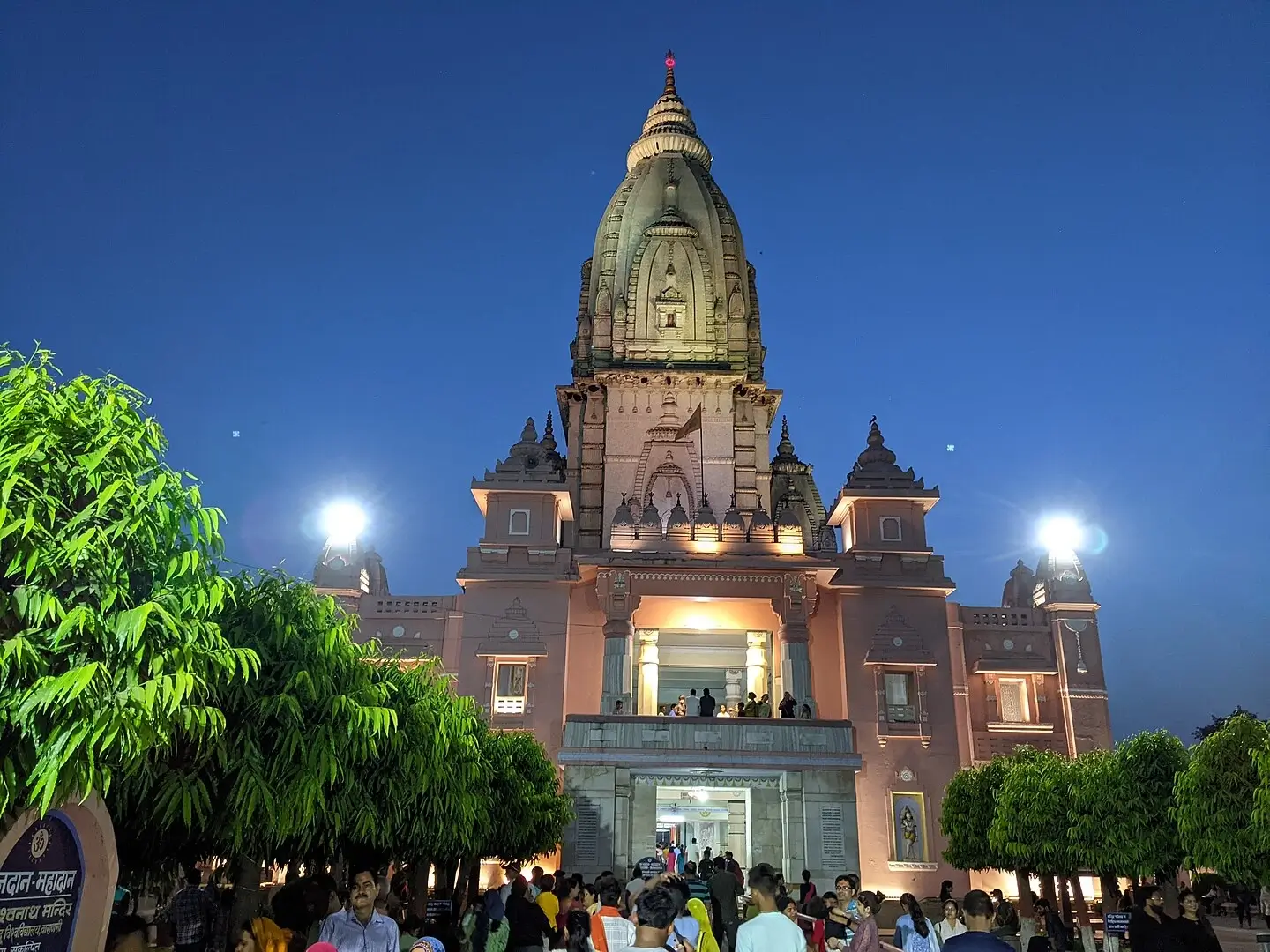
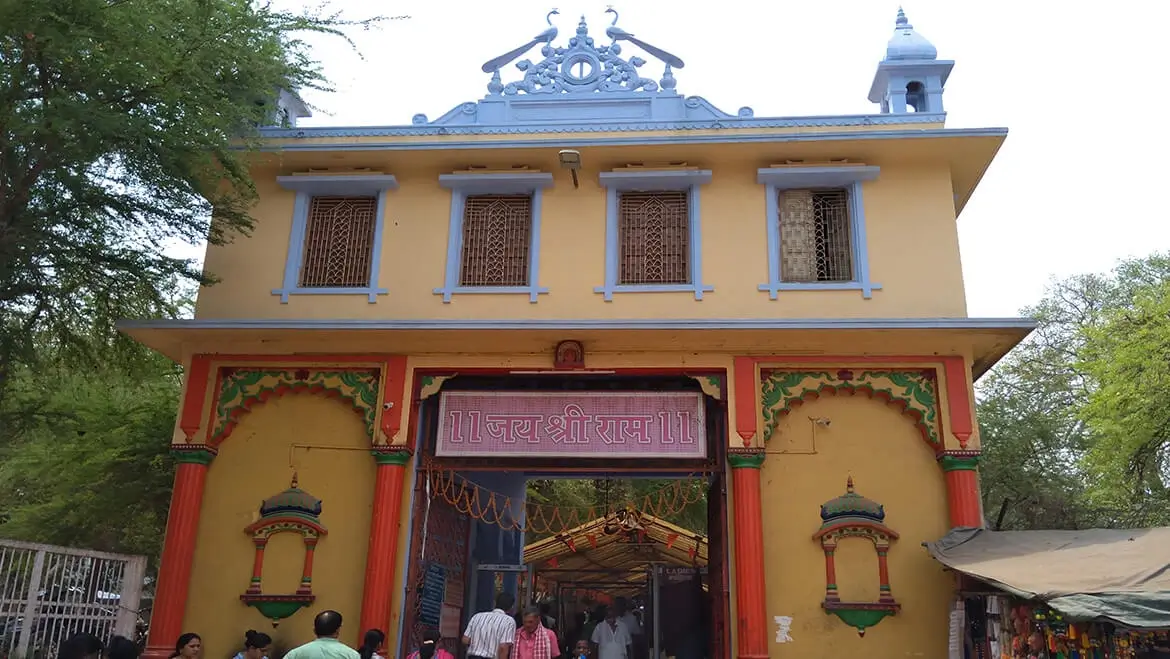
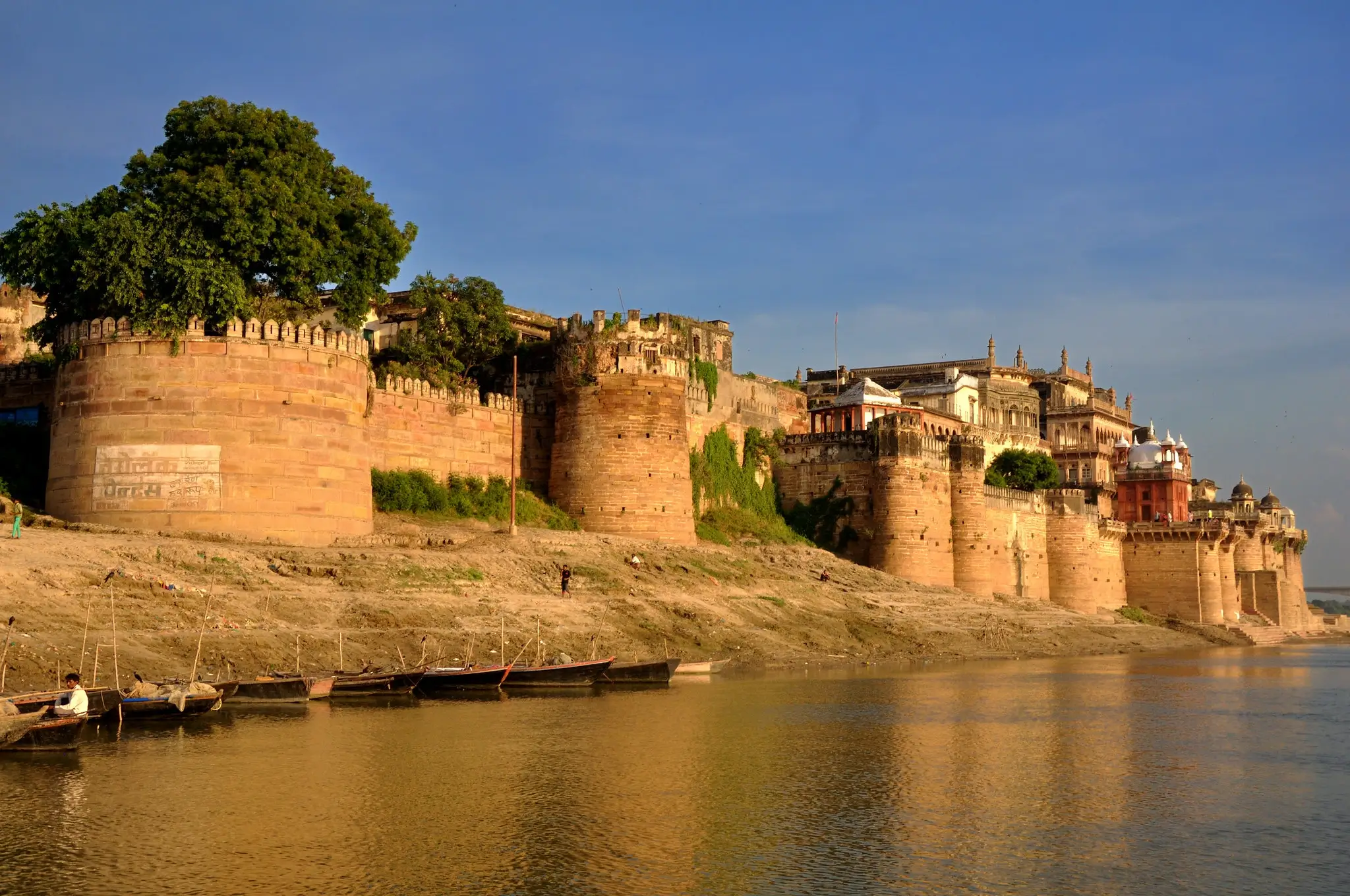
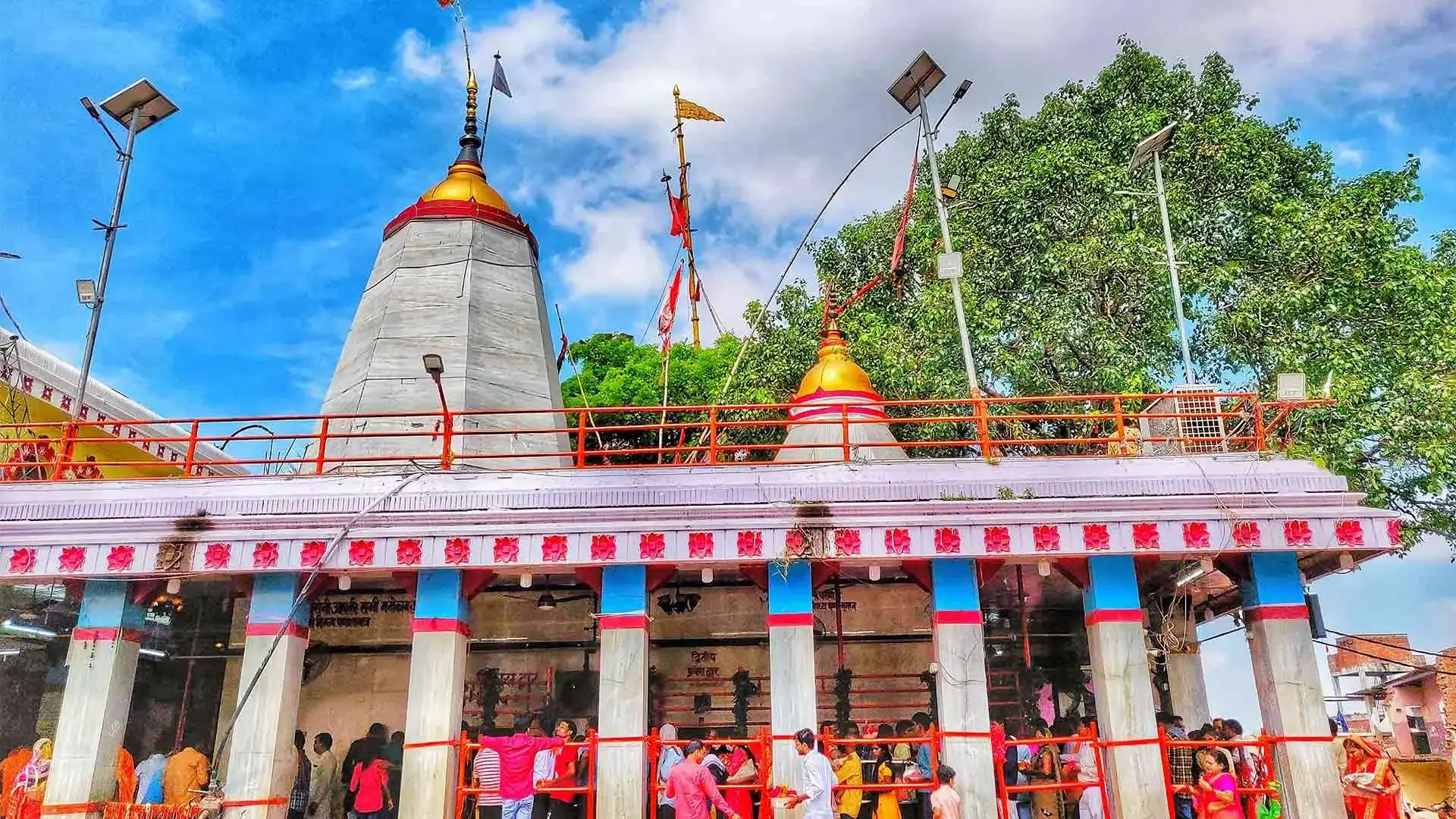
One of the 12 Jyotirlingas "The Kashi Vishwanath Temple", also one of the holiest places for Hindus. Its history is as old as the city of Varanasi i.e. 3000 years. This temple has been demolished and constructed back many a times and the current structure was built under the Maratha Queen Ahilya Bai Holkar in the year 1777.
Known as the Golden Temple of Varanasi, it is said that a glimpse of the Jyotirlinga can purify your soul. Mahashivratri, Ganga Dussehra and Navaratri are celebrated in full swing within the temple.
Kashi Vishwanath Temple is open all year but the best time to visit would be within (October and March).
A Detailed Insight into Kashi Vishwanath Temple
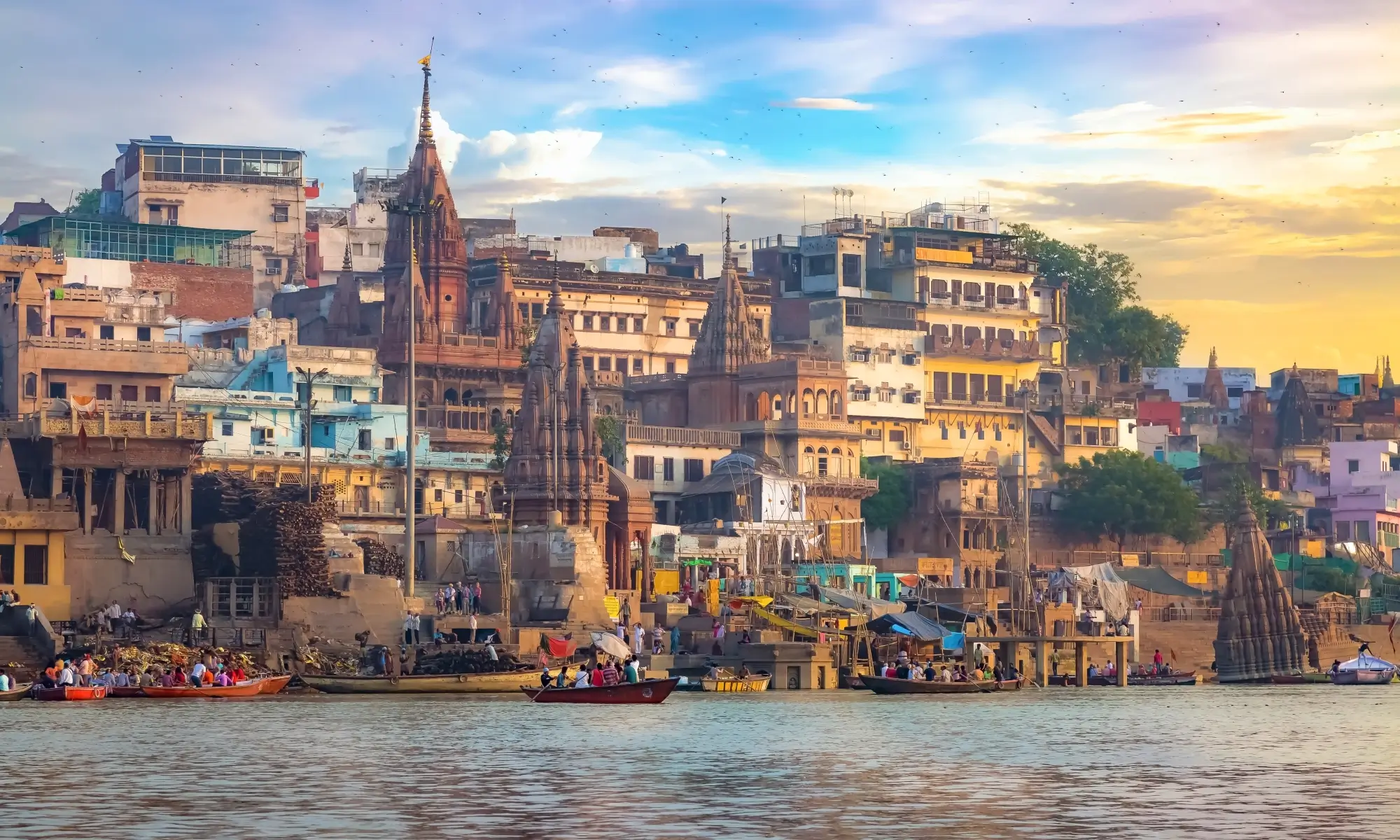
The Kashi Vishwanath Temple in Varanasi is one of the most sacred pilgrimage sites in India, dedicated to Lord Shiva in his form as Vishwanath, the “Lord of the Universe". Located along the banks of the River Ganges, the temple holds a central place in Hindu belief as a gateway to spiritual liberation.
For centuries, devotees, saints, and travellers have come here not just for darshan but for something deeper, an experience where faith, ritual, and the rhythm of Varanasi come together. With the development of the Kashi Vishwanath Dham Corridor, visiting the temple today is more accessible, yet just as spiritually intense.
Quick Facts
Location : Varanasi
Deity : Lord Shiva (Jyotirlinga)
Timings : 3:00 AM – 11:00 PM
VIP Darshan : Sugam Darshan available
Best Time to Visit : October to March
Nearest Ghat: Dashashwamedh Ghat
Why Kashi Vishwanath Temple Is Important?
Kashi Vishwanath Temple is not just one of the twelve Jyotirlingas; it is widely regarded as the spiritual core of Varanasi. The temple represents a rare convergence of belief, ritual, and philosophy, where life and death are viewed as part of the same cosmic cycle.
Believed to grant moksha (liberation from rebirth)
Considered the spiritual center of the universe in Hindu tradition
One of the most visited Shiva temples in India
What sets it apart is not just its religious importance but the way it continues to function as a living, breathing centre of faith.
History 0f Kashi Vishwanath Temple?
The history of Kashi Vishwanath Temple reflects centuries of resilience, marked by destruction, rebuilding, and continued devotion. Unlike many temples preserved in isolation, this one has evolved through shifting political and cultural phases.
Ancient period : Mentioned in Puranas like Kashi Khanda
1194 : First destruction during invasions
1585 : Rebuilt under Akbar’s reign
1669 : Demolished under Aurangzeb
1780 : Reconstructed by Ahilyabai Holkar
1835 : Gold-plated domes added by Maharaja Ranjit Singh
2021 : Corridor redevelopment completed
Jyotirlinga Significance
The Kashi Vishwanath Jyotirlinga is considered one of the most powerful representations of Lord Shiva. Unlike idols crafted by human hands, this Jyotirlinga is believed to be self-manifested. Many traditions consider it the most spiritually significant among all twelve Jyotirlingas, making it an essential pilgrimage site for devotees across India.
Aarti Timings
To fully experience the spiritual energy of the Kashi Vishwanath Temple, it is important to time your visit with the daily ritual calendar. The temple administration has established a clear schedule and prioritised services to help every devotee easily witness the divine ceremonies.
Official Aarti Schedule
The aarti timings at Kashi Vishwanath Temple create different spiritual atmospheres throughout the day, from the quiet pre-dawn hours to the ornate evening decorations
Time
Programme
Amount (INR)
Significance
03:00 AM – 04:00 AM
Mangala Aarti
500.00
The most auspicious ritual to awaken the deity is highly sought after by devotees.
11:15 AM – 12:20 PM
Bhog / Aarti
300.00
Midday offerings, in which sacred food is presented to Lord Shiva.
07:00 PM – 08:15 PM
Saptarishi Aarti
300.00
A powerful ceremony is performed simultaneously by seven priests.
09:00 PM – 10:15 PM
Night Shringar / Bhog Aarti
300.00
A ritual focused on the elaborate floral decoration of the Jyotirlinga.
10:30 PM – 11:00 PM
Night Shayan Aarti
Free
The final ritual before the Lord rests, open to all for a peaceful conclusion.
Special Access: Sugam Darshan
To manage the large number of devotees and ensure a comfortable experience for those with limited time, the temple administration provides priority entry through the Sugam Darshan service. This is one of the main facilities for pilgrims at Kashi Vishwanath Temple, offering a smooth route to the sanctum. hassle-free route to the sanctum.
Time
Programme
Amount (INR)
Significance
06:00 AM to 06:00 PM
ugam Darshan
250.00
A streamlined entry pass that ensures a quicker and more comfortable path to the sanctum.
For first-time visitors, the evening Saptarishi Aarti offers the most immersive experience, especially when combined with the Ganga Aarti nearby.
Kashi Vishwanath Dham Corridor
The Kashi Vishwanath Dham Corridor has transformed the temple experience by opening up direct access between the Ganges and the temple complex. What was once a congested network of narrow lanes is now a structured and spacious pilgrimage zone.
Direct connection between riverfront and temple
Improved crowd management and accessibility
Restoration of several ancient temples
How to Visit Kashi Vishwanath Temple?
Step 1: Reach Temple Zone
Entry via Godowlia / Maidagin / Ganga Dwar
Step 2: Security Check
Strict screening
No electronics allowed
Step 3: Locker Deposit
Free & paid lockers available
Step 4: Queue System
General or Sugam Darshan
Step 5: Darshan
Quick movement inside sanctum
Step 6: Exit to Corridor / Ghat
Facilities for Pilgrims
Facilities for pilgrims at Kashi Vishwanath Temple have been greatly improved within the Dham Corridor:
Sugam Darshan : A priority entry system for those wanting to skip long lines.
Mumukshu Bhavan : Lodging for those wishing to spend their final days in the holy city.
Varanasi Gallery & Museum : An educational centre showcasing Kashi's spiritual history.
Medical Help Desk : A first-aid centre and ambulance service for emergencies.
Escalators & Ramps : A barrier-free design with ramps for seniors and those with disabilities.
Vedic Kendra : A centre for spiritual learning and performing special rituals.
Best Time to Visit Kashi Vishwanath Temple
Varanasi experiences significant seasonal changes. Choosing the best time is crucial for a comfortable Kashi Vishwanath Temple tour in Varanasi. Each season brings a unique atmosphere to the city:
Winter (October to March) : The best time to visit. The weather is cool and pleasant, ideal for walking around the temple complex and riverfront. Major cultural events, such as Dev Deepawali and Maha Shivratri, take place during this time, attracting millions of devotees.
Summer (April to June) : The heat can be extreme, with temperatures often rising above 40°C. If you visit, plan to visit Kashi Vishwanath Temple early in the morning or late in the evening to avoid the intense afternoon sun. These times offer a quieter experience of the city.
Monsoon (July to September) : The rainy season brings high humidity and rising water levels in the Ganges. Heavy rain can restrict access to the riverfront entrance of the Kashi Vishwanath Dham Corridor. However, the city looks refreshingly vibrant, and the monsoon clouds create a dramatic backdrop for the ancient architecture.
ACCOMMODATION
Staying near Kashi Vishwanath Temple can significantly improve your overall experience, especially if you plan to attend early morning or late evening rituals.
Near Temple : Walking-distance hotels and guesthouses
Ghats Area : Scenic stays with river views
Budget : Dharamshalas and ashrams
Premium : Boutique hotels and Tent City
1-Day Kashi Vishwanath Temple Itinerary
Morning :
Temple Darshan (early entry)
Walk through corridor
Afternoon :
Explore old Varanasi lanes
Local food experience
Evening :
Ganga Aarti at Dashashwamedh Ghat
Optional :
Boat ride on Ganges
Kashi Vishwanath Temple Tour
A well-planned visit isn’t just convenient; it changes the experience.
Ideal Tour Inclusions :
Priority darshan assistance
Guided temple visit
Ganga Aarti experience
Old city heritage walk
Who Should Consider :
First-time visitors
Senior travellers
Short-stay pilgrims
Essential Tips
Visiting Kashi Vishwanath Temple involves following specific protocols for a smooth experience.
Security Restrictions : Mobile phones, cameras, leather items (belts/wallets), and electronic devices are not allowed.
Locker Availability : Free and paid lockers are available at the entrance gates.
Dress Code : Traditional Indian attire is suggested. For Sparsh Darshan (touching the Jyotirlinga), men should wear a dhoti-kurta, and women should wear a saree.
Entry Gates : There are four main gates. Gate 1 (Gyanvapi) and the Riverfront Gate (Ganga Dwar) are the most frequented.
Queue Management : On Mondays or during festivals, wait times can reach 3–5 hours. Consider Sugam Darshan tickets for quicker access.
Prohibited Items : Do not bring food, tobacco, or umbrellas inside the inner complex.
Identification : Always bring a digital or physical copy of a government ID for security checks.
Kashi Vishwanath FAQ's
"Sugam Darshan" tickets can be booked through the official temple website or at the help desk at the temple entrance for quicker access.
The temple opens at 3:00 AM for the Mangala Arti and stays open until 11:00 PM. General entry is briefly restricted during certain rituals, such as the Bhoga and Shringar Artis.
Yes, international tourists are welcome. Visitors must follow all security protocols and provide a physical passport for identification.
Yes, battery-operated golf carts run from the Godowlia and Maidagin crossings. These vehicles help seniors and differently-abled devotees reach the temple entrance comfortably.
Aim to finish your temple visit by 6:00 PM. From there, a short walk leads to the nearby Dashashwamedh Ghat, where the Ganga Aarti begins shortly after sunset.