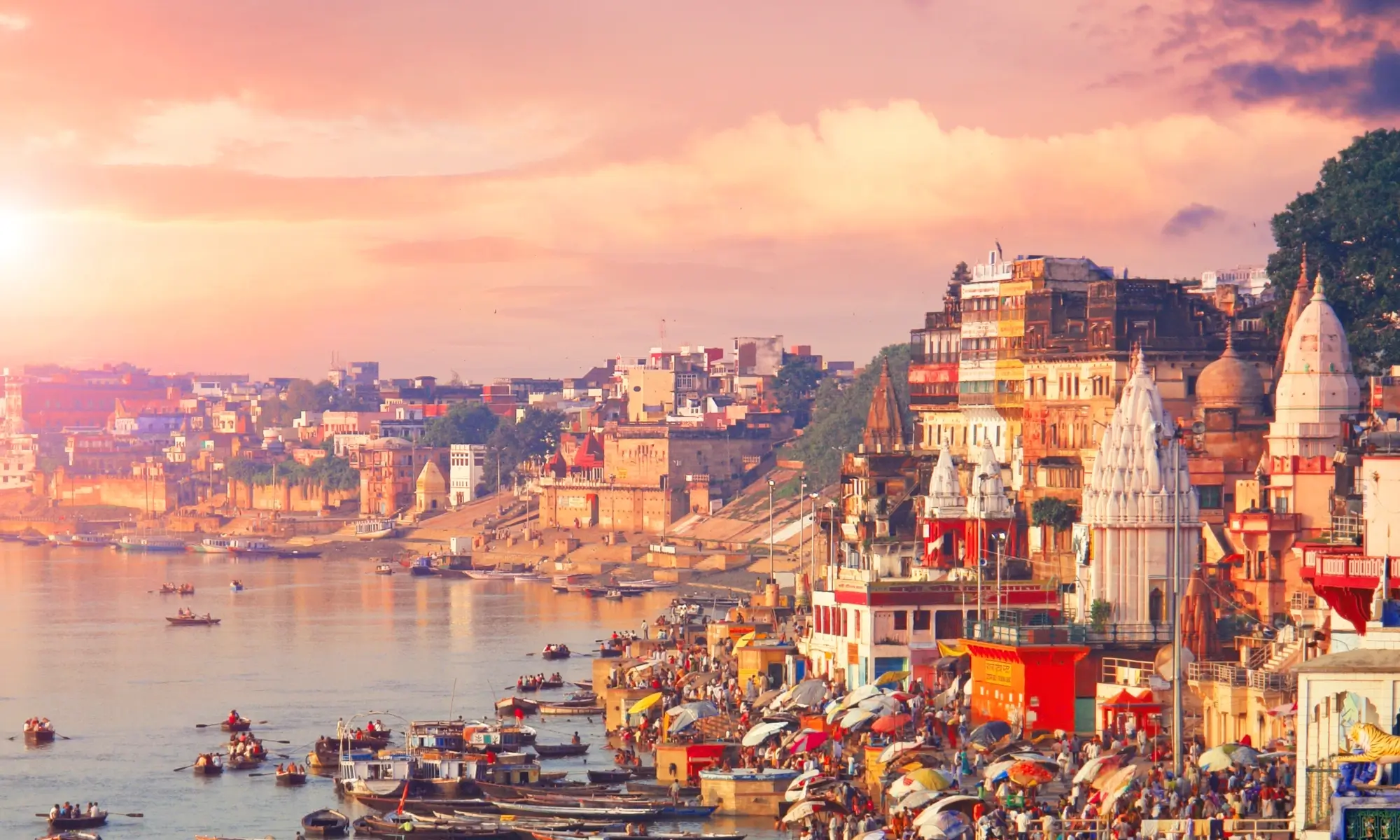
Varanasi has functioned as an intellectual and cultural nerve center for over two millennia. It has nurtured saints, reformers, musicians, writers, political leaders, and modern athletes because it sustains three powerful ecosystems:
- Spiritual inquiry that questions orthodoxy
- Artistic discipline rooted in gharana traditions
- Educational institutions like Banaras Hindu University that encourage scholarship and national thought
The city does not manufacture fame; it cultivates depth. And depth, over time, produces individuals who influence the country far beyond its ghats. From Kabir’s poetry to Shastri’s leadership, from the shehnai echoing across Assi Ghat to global music festivals, Varanasi continues to shape India’s cultural and intellectual identity.
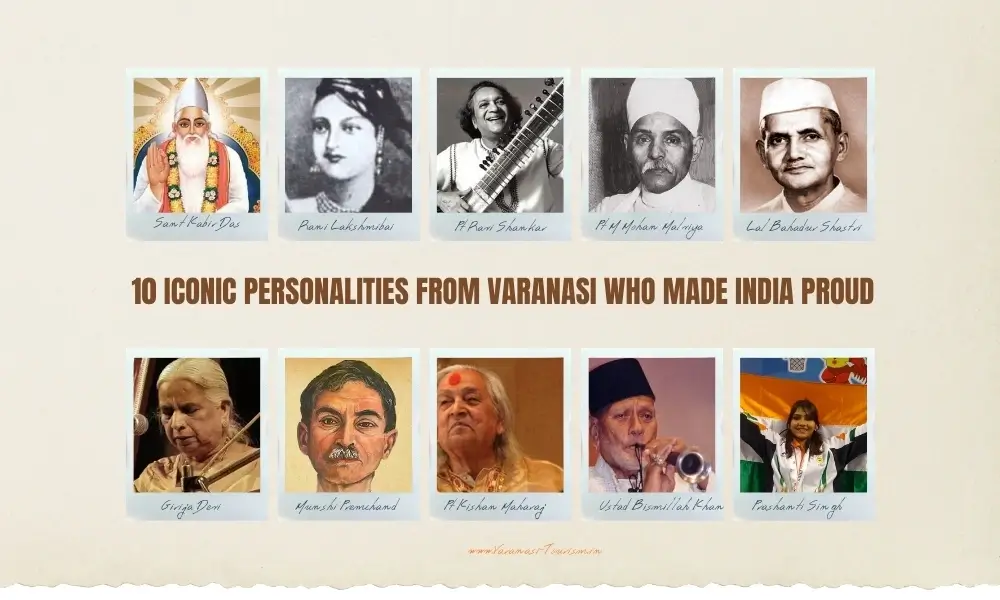
Here are some of the iconic personalities from Varanasi who make India proud with their talents, perspectives, thoughts and actions.
1. Sant Kabir Das: The Voice That Challenged Division
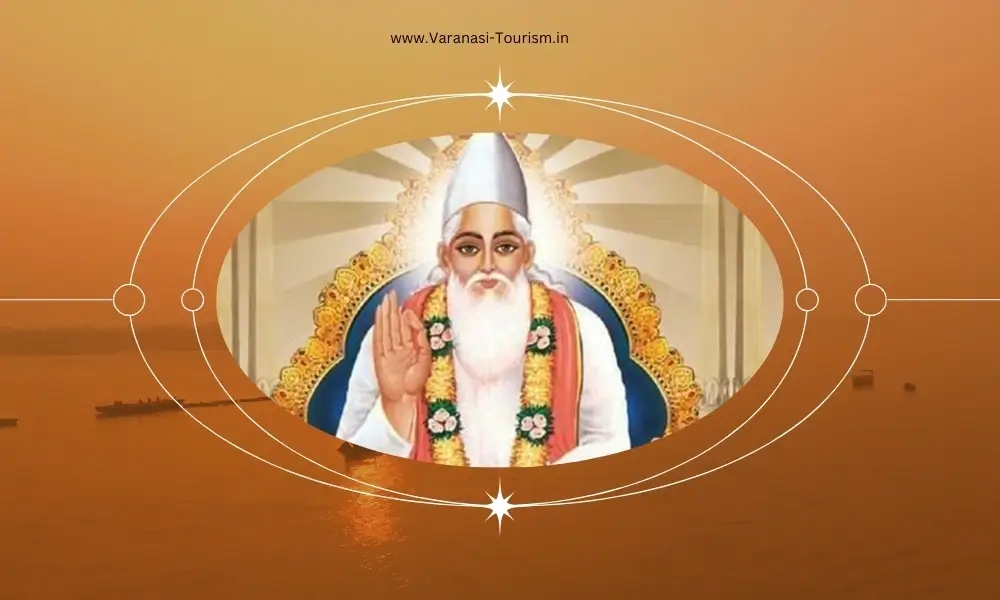
Born in the 15th century in or around Varanasi, Kabir emerged during a period of deep religious polarisation in North India. His poetry did not align neatly with Hindu or Islamic orthodoxy. Instead, he questioned ritualism, caste hierarchy, and blind devotion.
Kabir’s dohas were composed in the spoken dialect of the people. That decision alone made him radical. Spiritual knowledge was no longer confined to scholars or priests; it became accessible to ordinary citizens.
Why His Legacy Matters Nationally
- His verses appear in the Guru Granth Sahib, reflecting cross-religious influence.
- He shaped the Bhakti movement’s emphasis on personal devotion.
- His poetry continues to be quoted in social reform movements and public discourse.
Kabir’s association with Varanasi is central to his identity. The city’s dense religious ecosystem gave him both inspiration and resistance. He absorbed its traditions, then interrogated them.
India remains proud of Kabir because he expanded the moral imagination of the subcontinent. His philosophy promotes unity without erasing difference, a concept that remains relevant centuries later.
2. Ustad Bismillah Khan: The Sound of Kashi on the World Stage
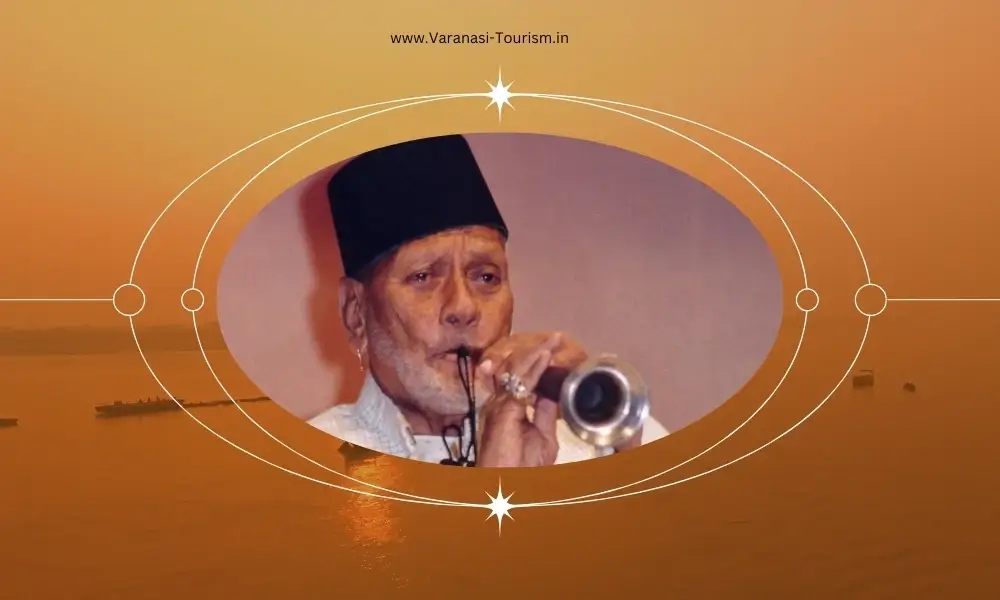
Few artists are so deeply linked to a city that their art feels inseparable from its atmosphere. Ustad Bismillah Khan is one of them.
Although born in Bihar, he made Varanasi his lifelong home. The ghats became his practice ground. Temple corridors amplified his early morning riyaaz. The Ganga became both metaphor and companion.
Before Bismillah Khan, the shehnai was largely ceremonial. He elevated it into the classical concert tradition, proving that the instrument possessed melodic sophistication and emotional depth equal to any other.
National and International Recognition
- Awarded the Bharat Ratna, India’s highest civilian honour.
- Performed at India’s Independence Day ceremony in 1947.
- Introduced Indian classical music to global audiences without diluting its integrity.
He refused lucrative offers to settle abroad, insisting that his music belonged to Varanasi’s spiritual soil. That decision turned him into more than a musician. He became a symbol of rooted excellence.
India takes pride in Bismillah Khan because he proved cultural authenticity can coexist with international acclaim.
3. Pandit Ravi Shankar: India’s Cultural Ambassador to the World
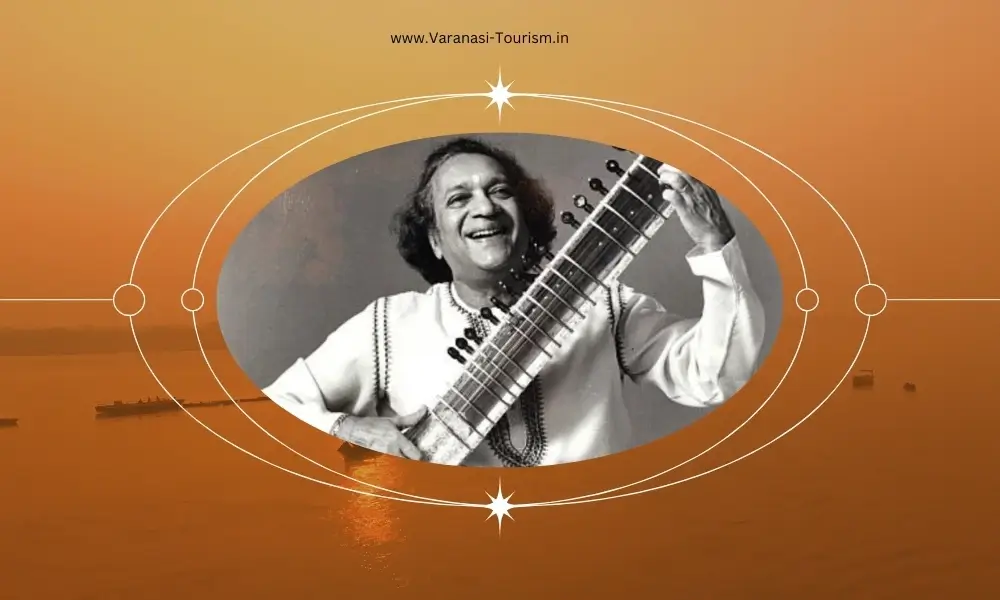
Born in Varanasi in 1920, Ravi Shankar became the most globally recognised figure in Indian classical music during the 20th century.
He trained rigorously under Allauddin Khan and later brought the sitar to global concert halls. His collaborations with Western musicians, including George Harrison, introduced millions to Indian ragas.
Unlike superficial cross-cultural fusion, Ravi Shankar preserved the structural discipline of classical music while expanding its audience.
Why He Made India Proud
- Multiple Grammy Awards.
- Global tours that redefined perceptions of Indian art music.
- Played a key role in elevating Indian classical music to diplomatic significance.
His Varanasi roots matter. The city’s musical traditions, temple performances, and spiritual cadence shaped his artistic temperament. Even when performing at Woodstock or Carnegie Hall, he carried that imprint.
Ravi Shankar demonstrated that Indian classical music is not regional heritage. It is global cultural capital.
4. Lal Bahadur Shastri: Leadership Rooted in Integrity
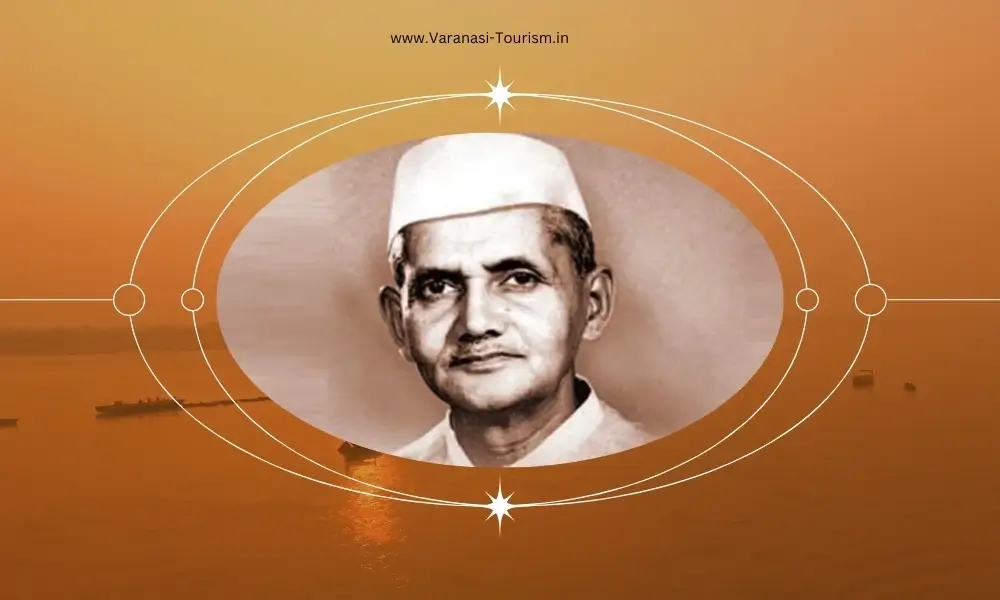
Born in Mughalsarai near Varanasi in 1904, Lal Bahadur Shastri rose from modest beginnings to become India’s second Prime Minister. His tenure was brief but decisive. He led India during the 1965 Indo-Pak war and coined the enduring slogan “Jai Jawan, Jai Kisan.” It captured a national truth: security and agriculture form the backbone of India.
Why His Legacy Endures
- Embodied political simplicity in an era of towering personalities.
- Encouraged agricultural self-reliance during food shortages.
- Became a model of ethical public life.
Varanasi’s influence on Shastri was not ornamental. The city’s intellectual atmosphere, nationalist ferment, and reformist thought shaped his early worldview. He carried that groundedness into national leadership.
India remains proud of Shastri because he proved authority does not require spectacle. It requires conviction.
5. Rani Lakshmibai: Courage Forged in Kashi
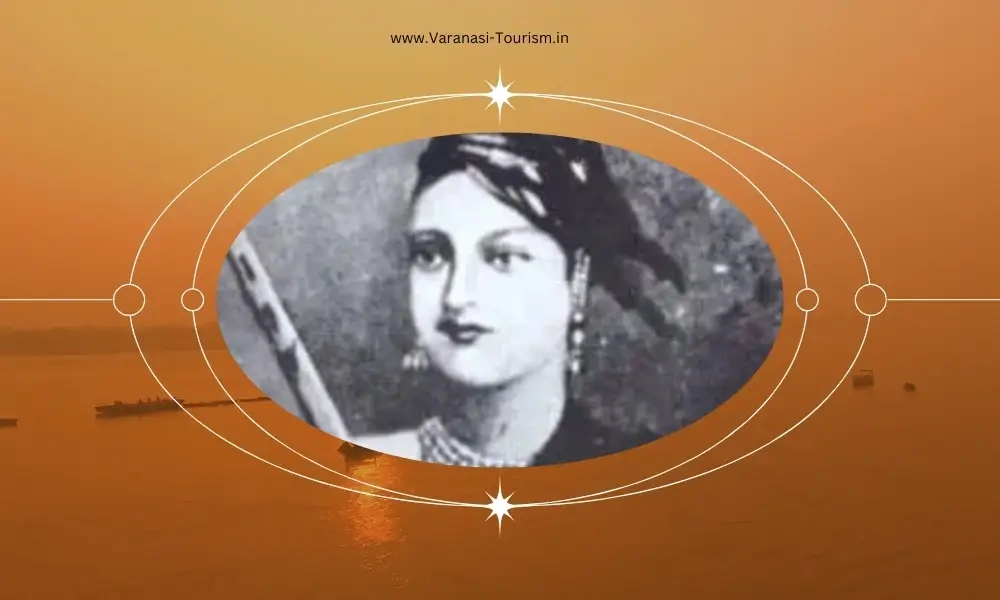
Born in Varanasi in 1828 as Manikarnika Tambe, she would later become the Rani of Jhansi and one of the fiercest leaders of the 1857 uprising against British rule. Her early years in Varanasi exposed her to martial training and intellectual influence. That upbringing shaped the discipline and resolve she later displayed on the battlefield.
National Significance
- Became a central figure of the 1857 revolt.
- Symbolised resistance against colonial power.
- Remains one of India’s most celebrated women freedom icons.
Though history associates her primarily with Jhansi, her birthplace in Varanasi connects her to the city’s legacy of defiance and resilience.
India takes pride in Lakshmibai because she redefined the image of leadership and courage in colonial India. Her story continues to inspire generations.
6. Munshi Premchand: The Architect of Social Realism
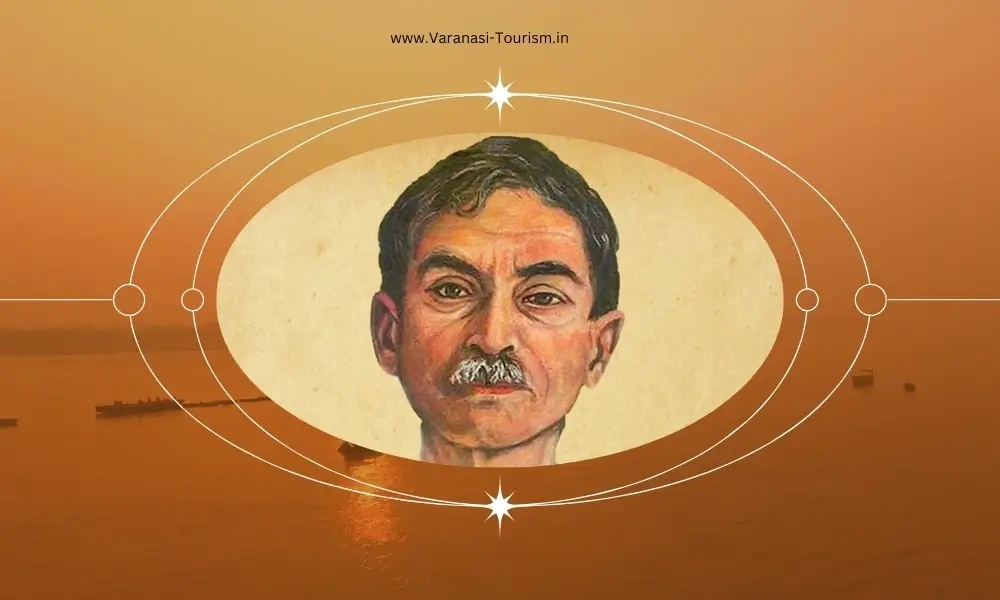
Born near Varanasi in 1880, Premchand transformed Indian literature. His novels and short stories depicted rural hardship, caste discrimination, and moral conflict with unflinching realism. Works like Godaan and Karmabhoomi remain foundational texts in Hindi and Urdu literature.
Why He Matters Nationally
- Brought marginalised voices into mainstream literature.
- Elevated Hindi prose to literary sophistication.
- Influenced generations of writers and social thinkers.
Varanasi’s complex social fabric provided him with both subject matter and perspective. The city’s proximity to villages, markets, temples, and colonial bureaucracy gave him insight into India’s layered realities.
India is proud of Premchand because he forced society to confront uncomfortable truths through storytelling.
7. Pandit Madan Mohan Malviya: The Institution Builder
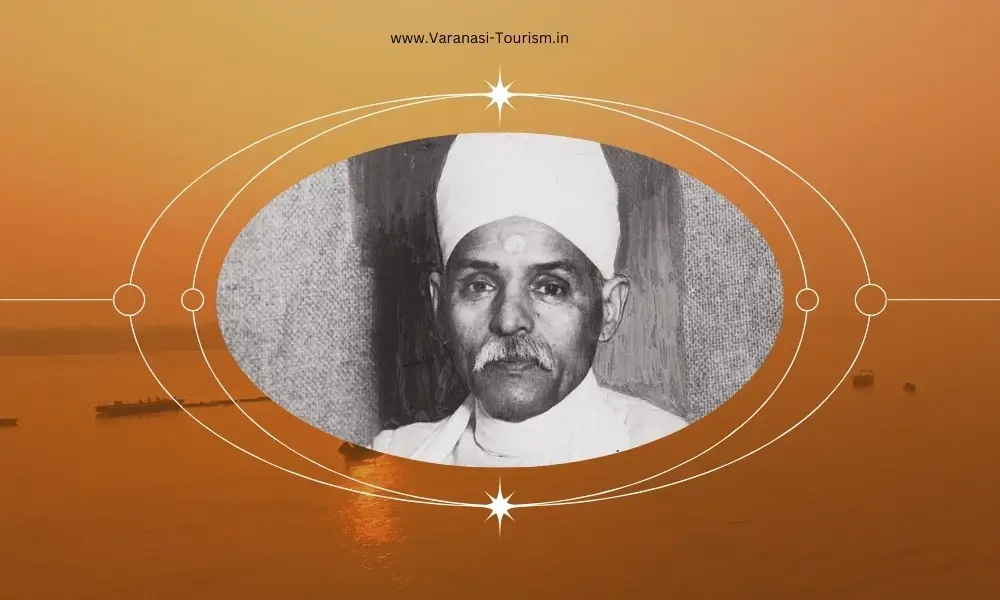
Few contributions shape a nation as deeply as educational institutions. Pandit Madan Mohan Malviya understood that. In 1916, he founded Banaras Hindu University, which grew into one of Asia’s largest residential universities.
His vision blended modern scientific education with Indian cultural values. It was not merely about degrees; it was about nation-building through knowledge.
National Impact
- Provided higher education access to thousands across disciplines.
- Played a role in India’s freedom movement.
- Awarded the Bharat Ratna posthumously.
BHU remains a living testament to his foresight. Its alumni have gone on to influence politics, science, literature, and civil services across India.
India takes pride in Malviya because he built something that outlived him and continues to shape national capacity.
8. Girija Devi: The Voice That Preserved the Banaras Gharana
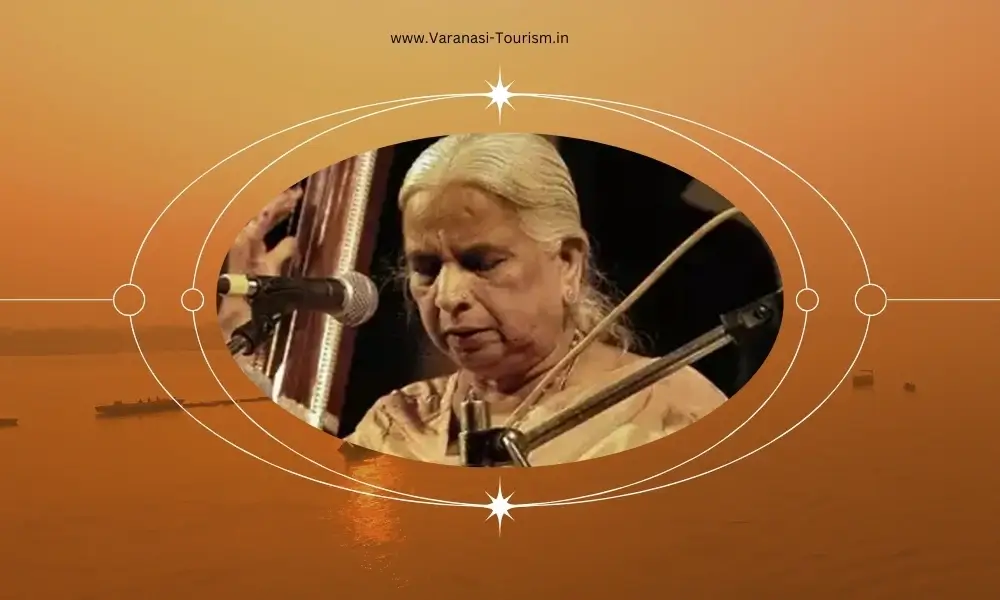
Girija Devi, often referred to as the “Queen of Thumri", became one of the foremost exponents of the Banaras gharana style of Hindustani classical music.
In a field historically dominated by men, she not only mastered semi-classical forms like thumri, kajri, and chaiti but also elevated them to respected concert platforms. Her performances carried the emotional depth associated with Varanasi’s seasonal folk traditions and devotional aesthetics.
National Contribution
- Awarded Padma Shri, Padma Bhushan, and Padma Vibhushan.
- Played a key role in institutionalising classical music education.
- Helped sustain semi-classical forms that risked marginalisation.
Girija Devi’s connection to Varanasi is deeply cultural. The city’s festivals, monsoon songs, and devotional gatherings shaped her repertoire.
India is proud of her because she ensured that tradition evolved without losing its core grammar.
9. Pandit Kishan Maharaj: Rhythm as Intellectual Discipline
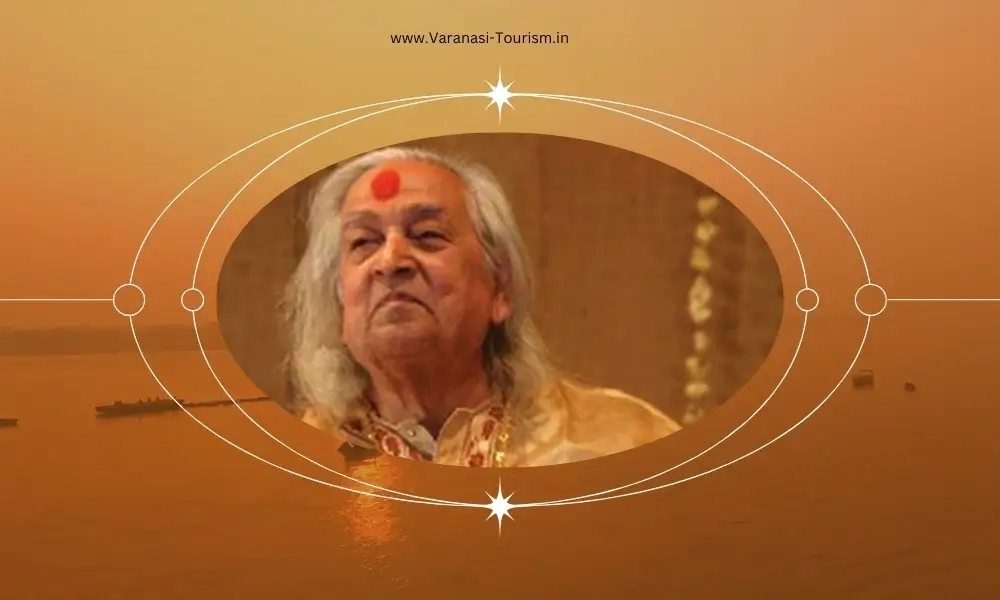
Few tabla players have embodied the Banaras gharana’s rhythmic complexity as completely as Pandit Kishan Maharaj. Born into a family of musicians in Varanasi, he developed a style known for intricate layakari (rhythmic improvisation) and powerful tonal clarity.
He performed alongside India’s leading classical musicians and carried the Banaras rhythmic tradition to international stages.
Why His Legacy Matters
- Preserved and expanded the Banaras gharana’s rhythmic vocabulary.
- Elevated tabla from accompaniment to commanding solo instrument.
- Represented Indian percussion globally.
Varanasi’s musical culture, shaped by temple recitals and gharana training systems, created an environment where rhythm was treated as intellectual architecture rather than mere beat.
India remains proud of Kishan Maharaj because he demonstrated that percussion can be as philosophically layered as melody.
10. Prashanti Singh: Modern Excellence Beyond Classical Tradition

Varanasi’s legacy is not confined to ghats and gharanas. It extends to national sports arenas. Prashanti Singh, an accomplished Indian basketball player and Padma Shri awardee, represented India at multiple international championships. She emerged from a sporting family and helped place Indian women’s basketball on a competitive map.
National Impact
- Represented India in Asian and international tournaments.
- Awarded Padma Shri for contribution to sports.
- Inspired young women athletes from smaller cities.
Her journey signals an important evolution: Varanasi produces cultural custodians and modern competitors alike.
India takes pride in athletes like Prashanti Singh because they prove excellence is not geography-dependent. It is discipline-dependent.
Across centuries, Varanasi has nurtured spiritual reformers like Sant Kabir Das, cultural ambassadors like Pandit Ravi Shankar, statesmen like Lal Bahadur Shastri, institution builders like Pandit Madan Mohan Malviya, artists who preserved gharana traditions and athletes who represent modern India. What connects them is not profession but depth. Varanasi functions as a civilisational classroom. It trains the mind through debate, the ear through discipline, and the will through endurance. Its ecosystem encourages rigour, reflection, and resilience.That is why the city continues to produce individuals who influence India far beyond its geographic boundaries.
Recommended Reads
- Top Religious Places in Uttar Pradesh
- River Cruise Tourism in Varanasi
- Popular Tourist Attractions in Varanasi
- Varanasi: The World's Second Most Popular Religious Destination
- Kashi Sees Remarkable Tourism Boom
- Popular Attractions in Uttar Pradesh
- India’s Spiritual Express: Vande Bharat to Bridge the Spiritual Circuit
- Haridwar Kumbh Mela 2027
- Varanasi Emerges as a Global Hub for Spiritual Tourism
- 10 Iconic Personalities from Varanasi Who Made India Proud
- Laser Show Returns to Lalita Ghat: Kashi Vishwanath Dham’s Iconic Experience Is Back