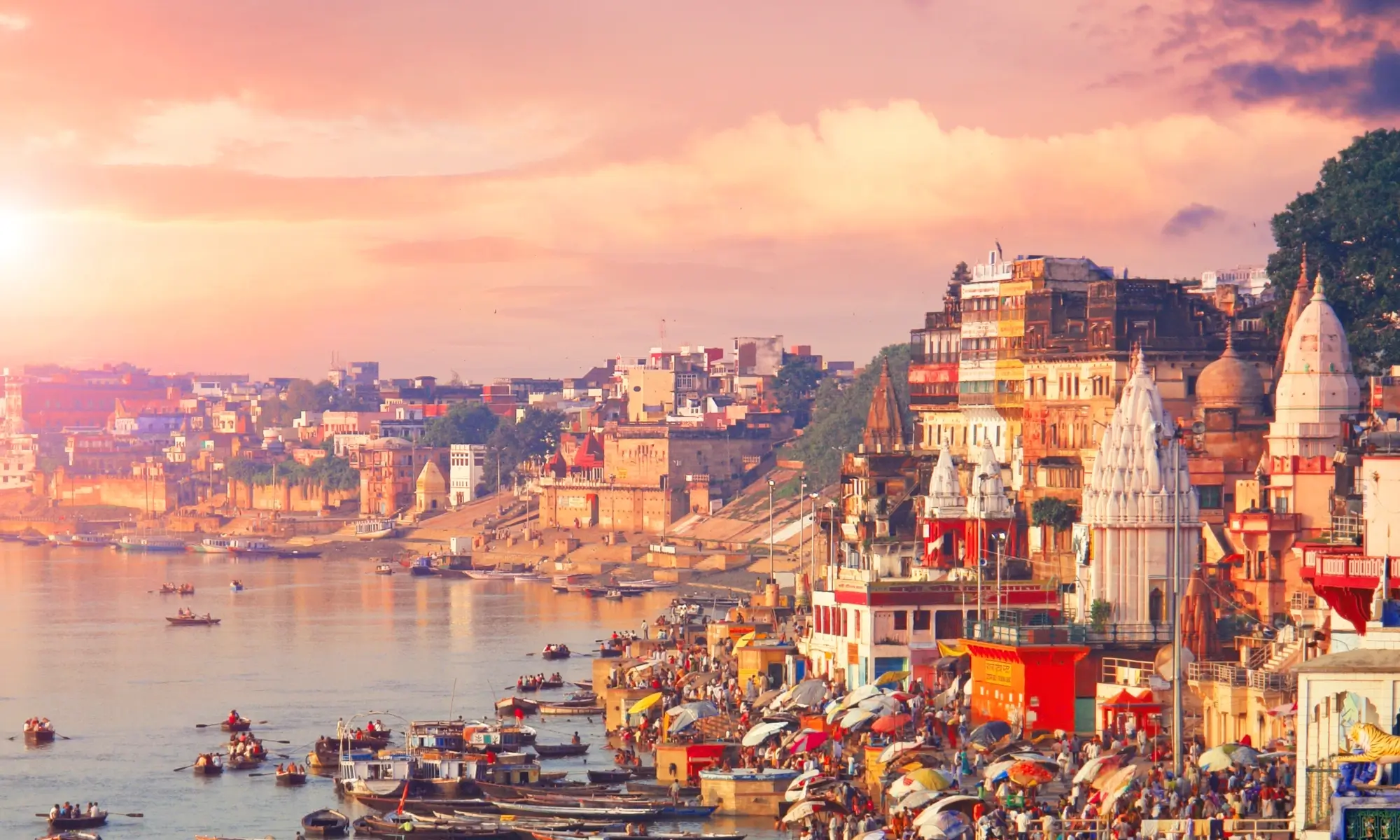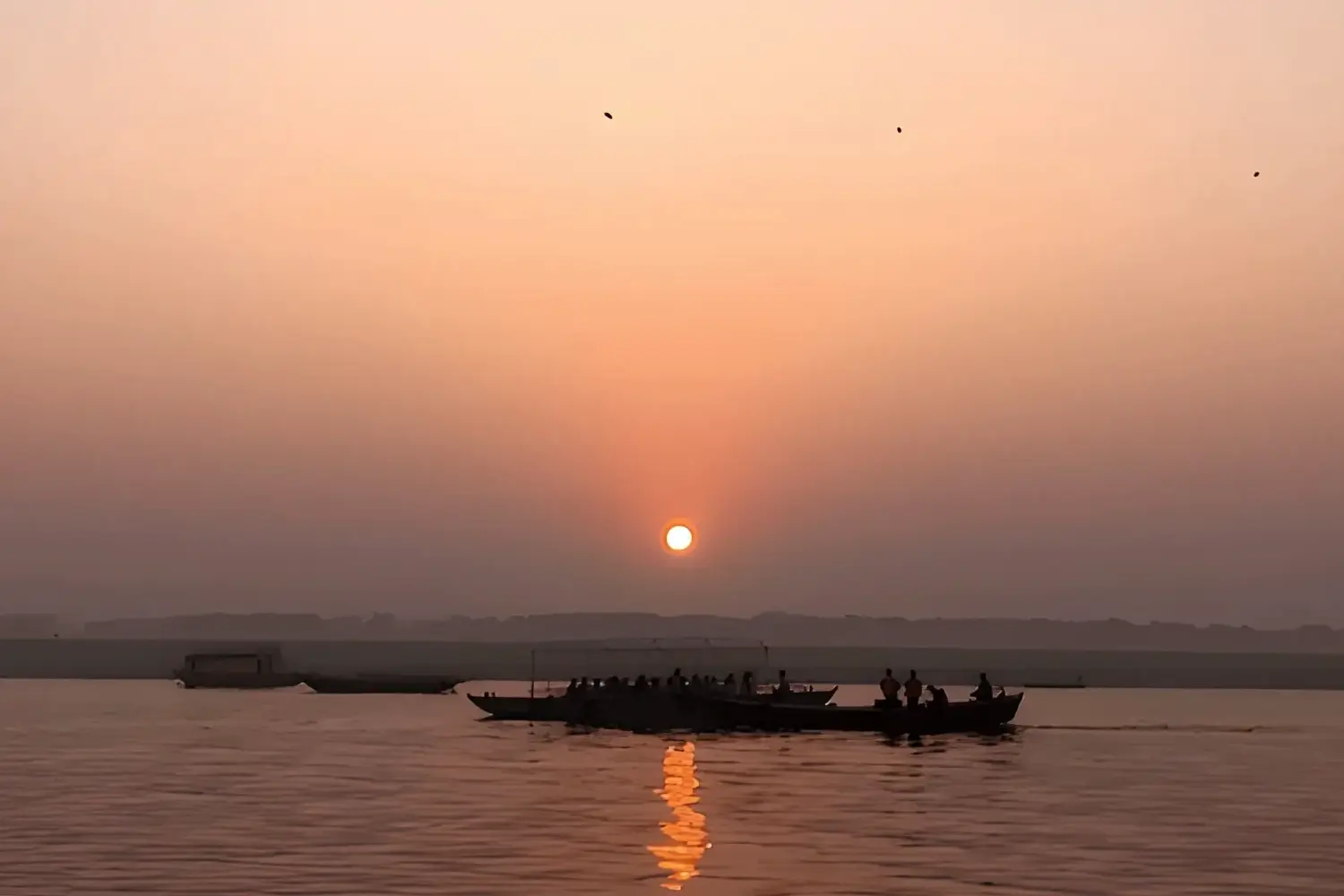
There is a moment, somewhere between the last stars fading and the first temple bell ringing, when Varanasi's riverfront comes alive in a way no photograph quite captures. Priests wade into the water for their morning prayers, marigold garlands drift past on the current, and the sandstone ghats catch the earliest light of the day. A boat ride in Varanasi is how you meet this city on its own terms, from the river that has shaped its identity for thousands of years.
Ask anyone who has spent even a single sunrise on the Ganga here, and they will tell you the same thing: walking the ghats gives you glimpses, but boat riding in Varanasi gives you the whole picture, unfolding slowly from a vantage point the city was built to be seen from.
What Makes a Varanasi Boat Ride Special?
A Varanasi boat ride is not simply a tourist activity tacked onto a temple visit. It is, for many travelers, the single experience that makes sense of everything else in the city. From the water, you see the full sweep of the ghats at once, more than eighty stone staircases stretching along the riverbank, each with its own name, history, and daily rhythm. Some are quiet cremation sites treated with deep reverence. Others are crowded with pilgrims bathing, children playing cricket, or sadhus meditating in the shade of centuries-old buildings.
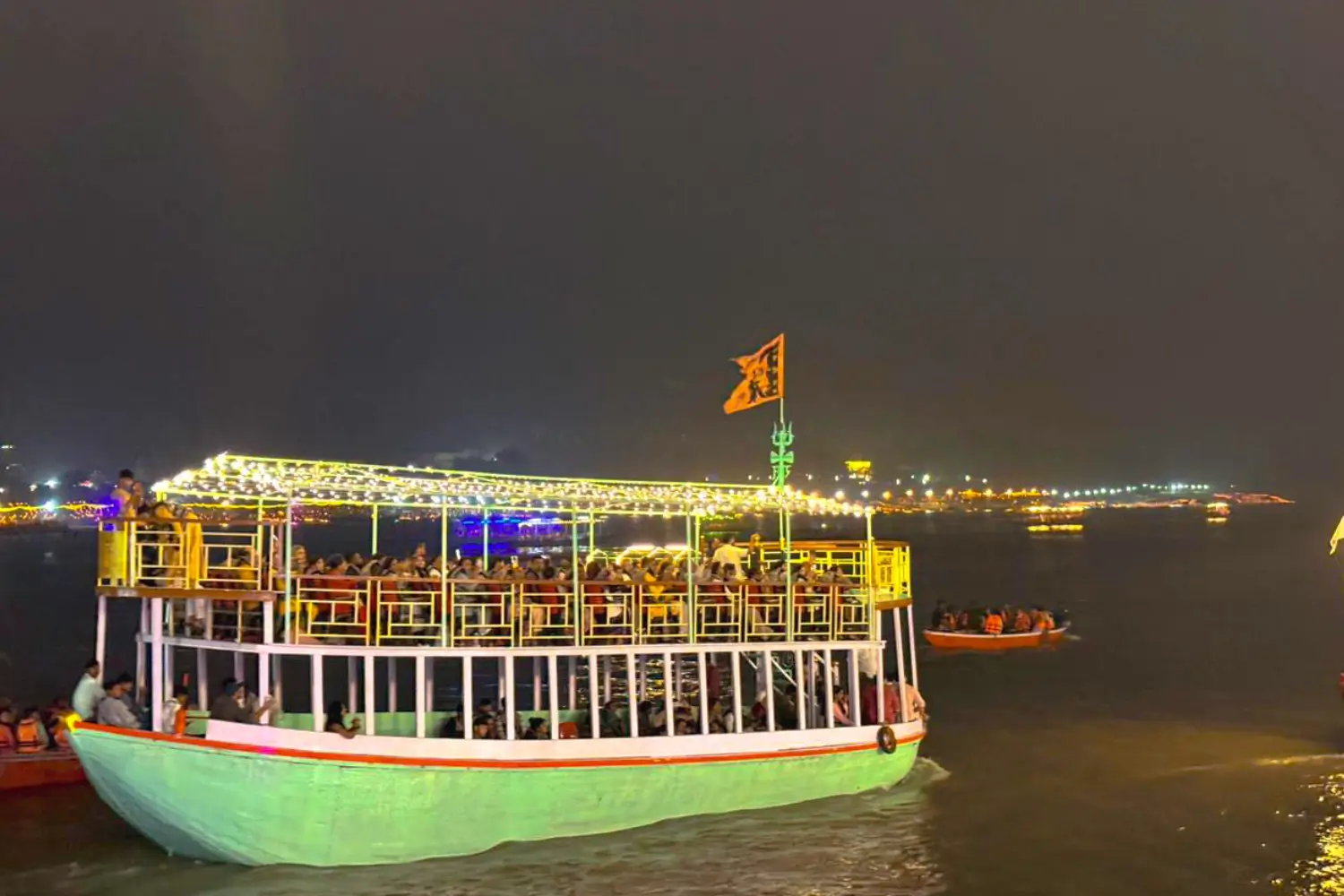
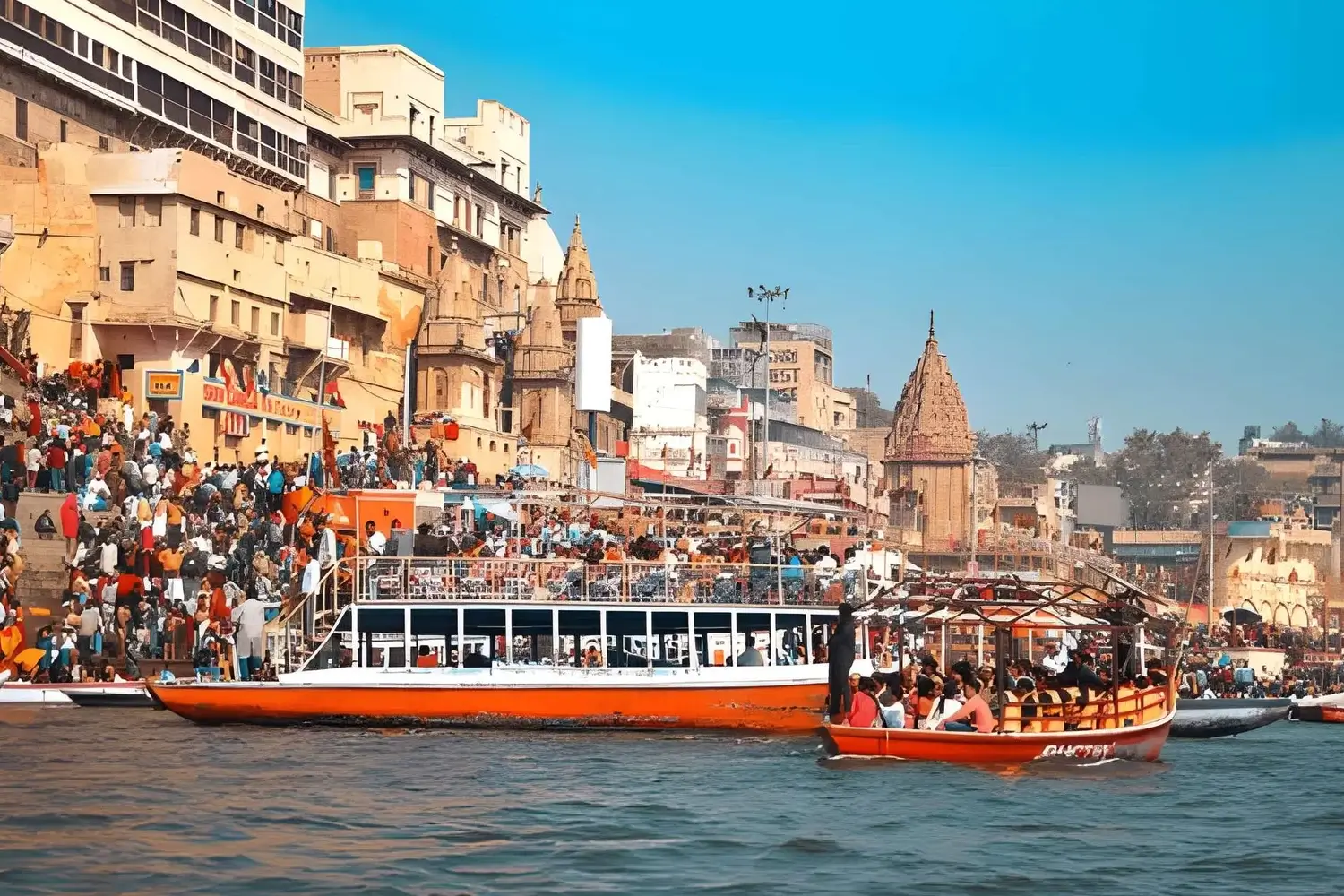
Two moments define the experience for most visitors. At sunrise, the river is calm and the light is soft, and a slow row past the ghats reveals the city waking up: yoga on the steps, boats loaded with flowers, and the low hum of early prayers. At sunset, the mood shifts entirely. The evening Ganga Aarti at Dashashwamedh Ghat draws large crowds to the steps, but from a boat positioned just offshore, you get an unobstructed view of priests swinging brass lamps in unison, accompanied by bells, conch shells, and chanting that carries clearly across the water.
Private vs. Shared Boat in Varanasi
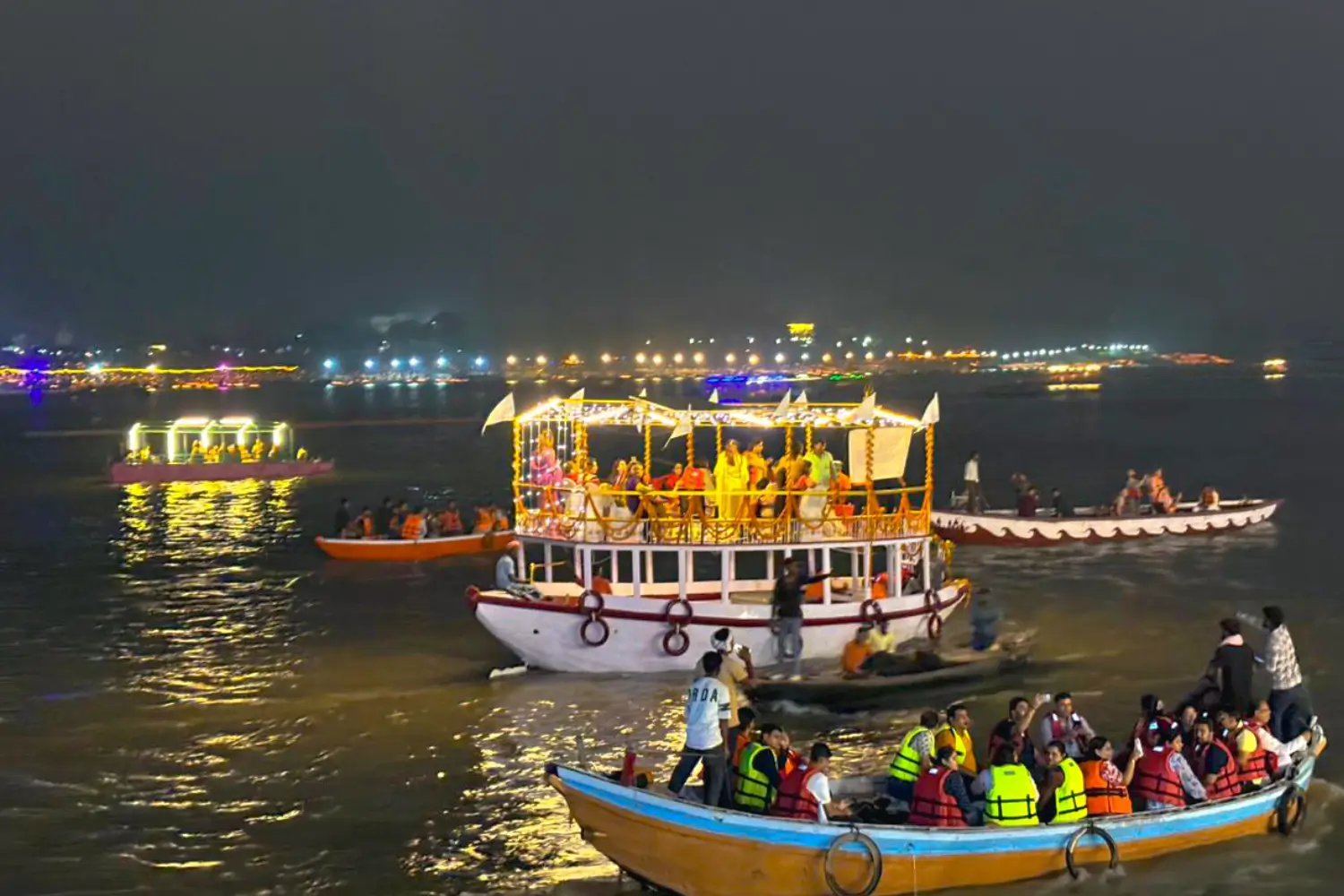
One of the first decisions you will face is choosing between a private vs. shared boat in Varanasi, and the right answer depends on your priorities.
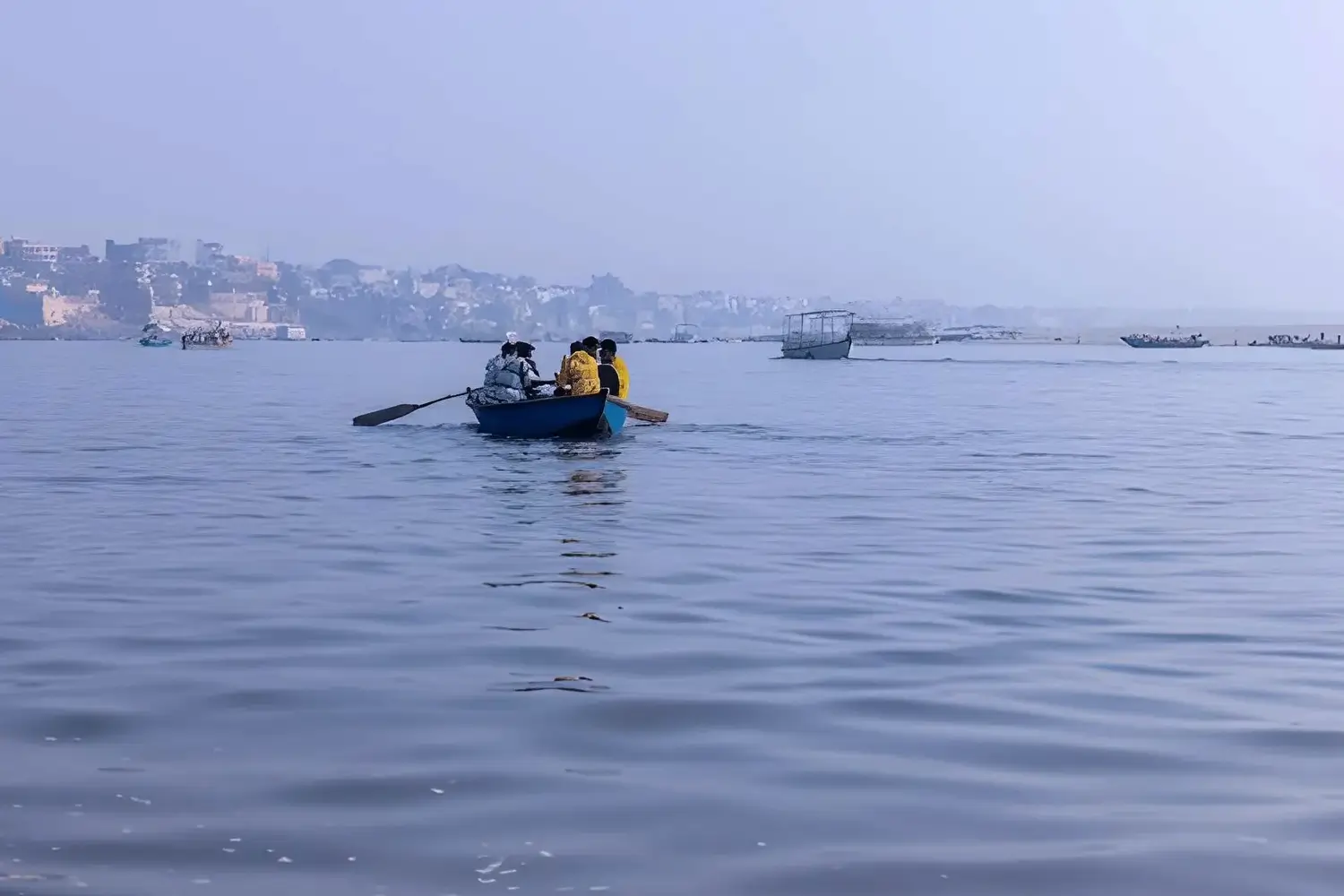
A shared rowboat is the more economical option, typically carrying a small group of unrelated travelers along a fixed route between the main ghats. It works well for solo travelers or budget-conscious visitors who are comfortable sharing the boat and don't mind a slightly less flexible schedule.
A private boat gives you full control over timing, pace, and route. You can ask the boatman to linger near a particular ghat, extend the ride past its usual endpoint, or time your return precisely around the evening aarti. For families, couples, or anyone traveling with elderly relatives, the added comfort and flexibility of a private boat is usually worth the extra cost. Most operators can arrange motorized boats for those who prefer not to rely on manual rowing for a longer route.
How to Choose a Boat Ride in Varanasi?
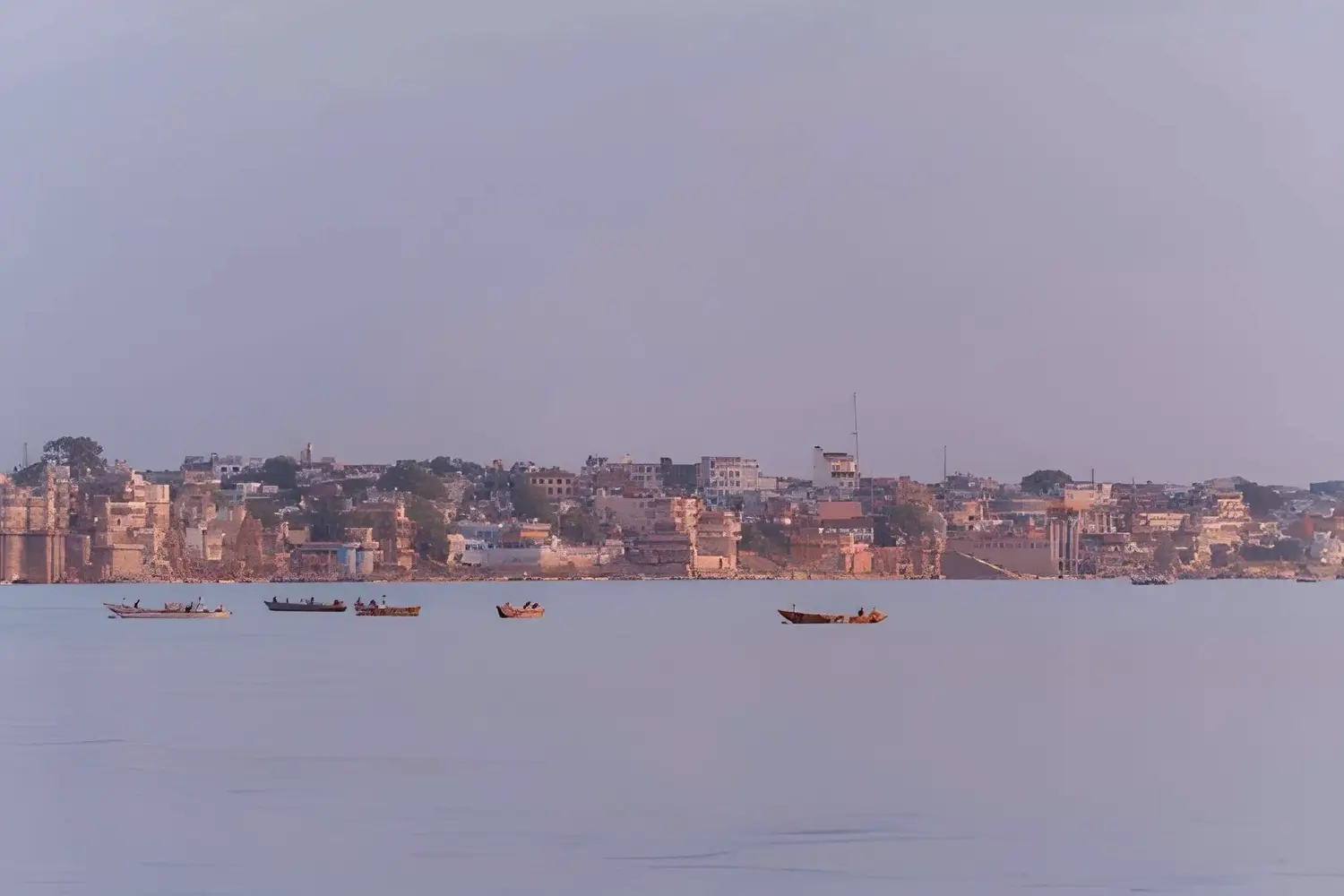
Figuring out how to choose a boat ride in Varanasi comes down to a handful of practical questions. Start with timing: are you after the quiet spirituality of sunrise or the atmosphere of the evening aarti? These are two very different experiences, roughly twelve hours apart, so most visitors end up booking one or the other rather than trying to combine both into a single outing.
Next, consider the boat type. Traditional wooden rowboats move slowly and quietly, which suits the reflective mood of a sunrise ride. Motorboats cover more ground in less time and work well if you want to see a longer stretch of ghats in a single outing. Always confirm that life jackets are provided and that the boat is registered with local authorities, since safety standards can vary between operators.
Finally, decide where to hire your boat. Booking directly with boatmen at Assi Ghat or Dashashwamedh Ghat tends to offer the most straightforward pricing, while booking through a hotel or third-party tour desk is more convenient but often comes with a noticeable markup.
Varanasi Boat Ride for Families with Children & Elderly Parents
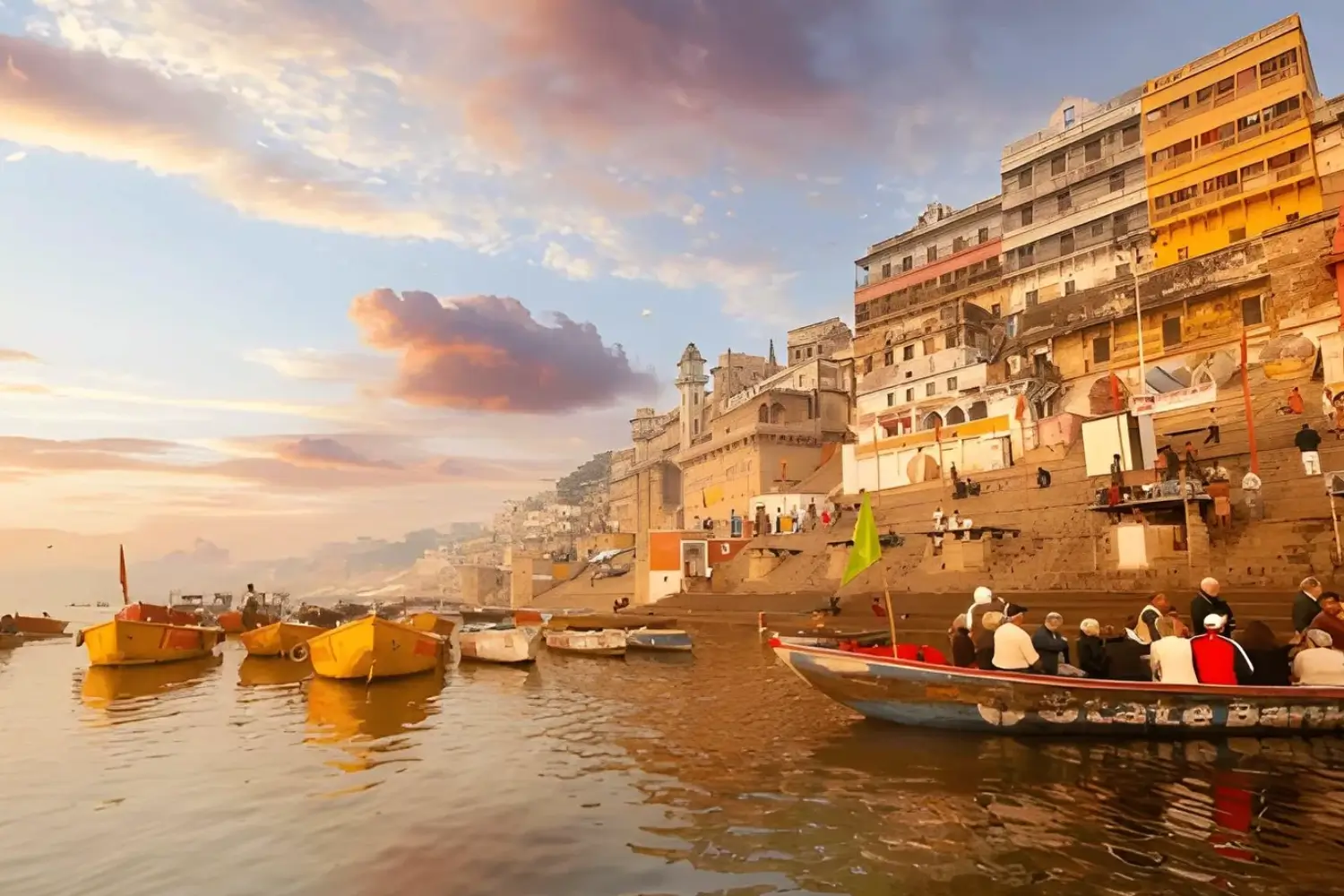
A Varanasi boat ride for families with children & elderly Parents requires a bit more planning than a solo traveler's outing, but it is entirely manageable with the right choices. Opt for a private boat rather than a shared one, since it allows for a slower pace, easier movement in and out of the boat, and the flexibility to end the ride early if needed. Choose a boat with stable, wide seating rather than a narrow traditional rowboat, and confirm in advance that life jackets are available in appropriate sizes for children.
Morning rides tend to be gentler on the whole family, since the river is calmer and temperatures are cooler. The crowds and noise of the evening aarti can feel overwhelming for very young children or elderly travelers with mobility concerns. Boarding from a quieter ghat such as Assi, rather than the busier Dashashwamedh, also makes getting everyone safely into the boat considerably easier.
Boat Ride Experience in Varanasi
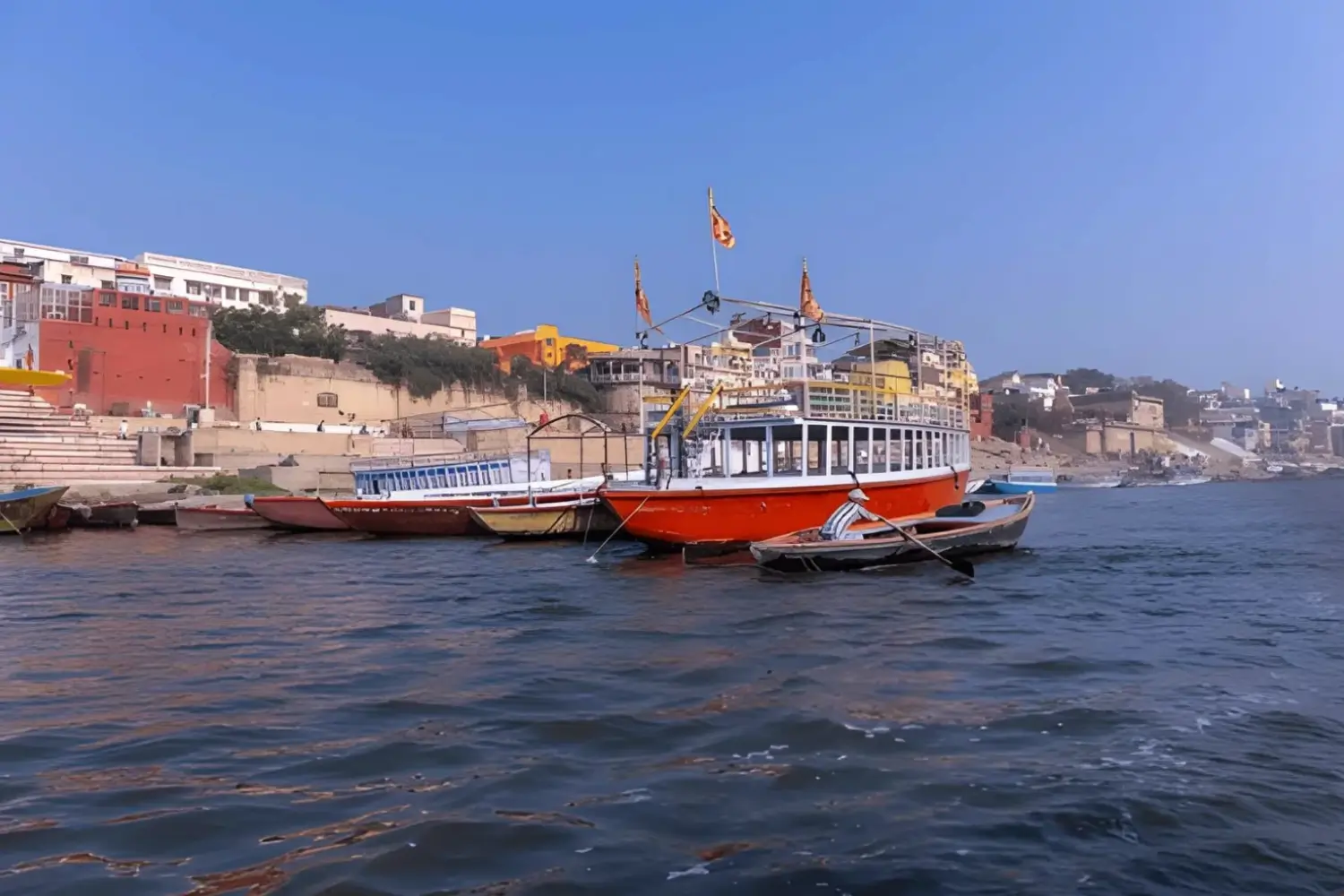
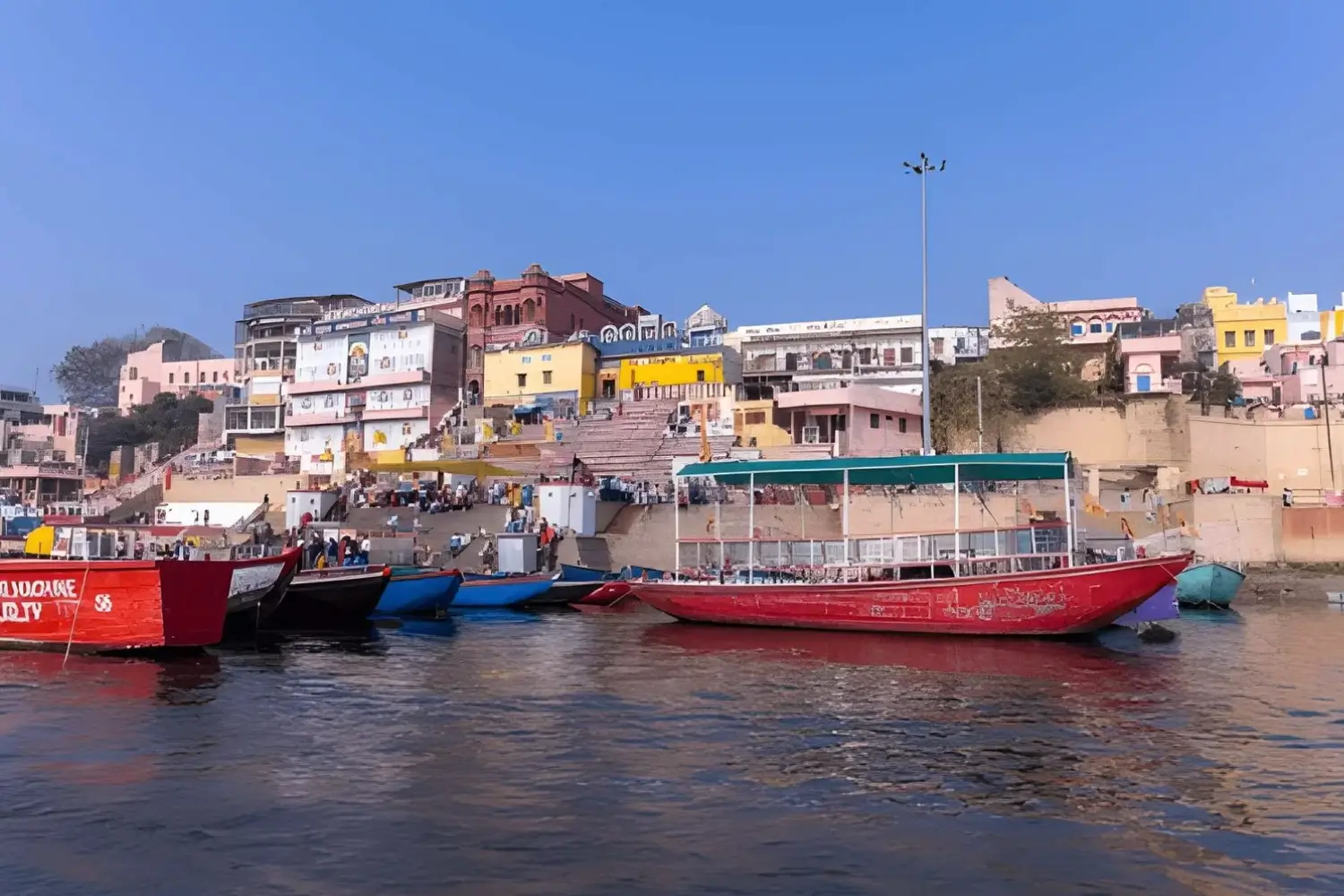
The boat ride experience in Varanasi is best described as a slow unfolding rather than a single dramatic moment. As the boat moves along the river, your boatman will point out landmarks along the way: the smoke rising from Manikarnika and Harishchandra Ghats, where cremations take place around the clock; the layered architecture of Kedar Ghat's colorful steps; and the buildings of Ramnagar Fort visible in the distance on the opposite bank.
Photographers tend to find the early morning light especially rewarding, when the sandstone facades take on a warm golden hue. The evening ride is more about atmosphere than photography, given the crowds and lower light near the aarti. Either way, a respectful, quiet demeanor is expected near the cremation ghats, and photography of the ceremonies themselves is considered inappropriate and should be avoided entirely.
Varanasi Boat Ride Route Map
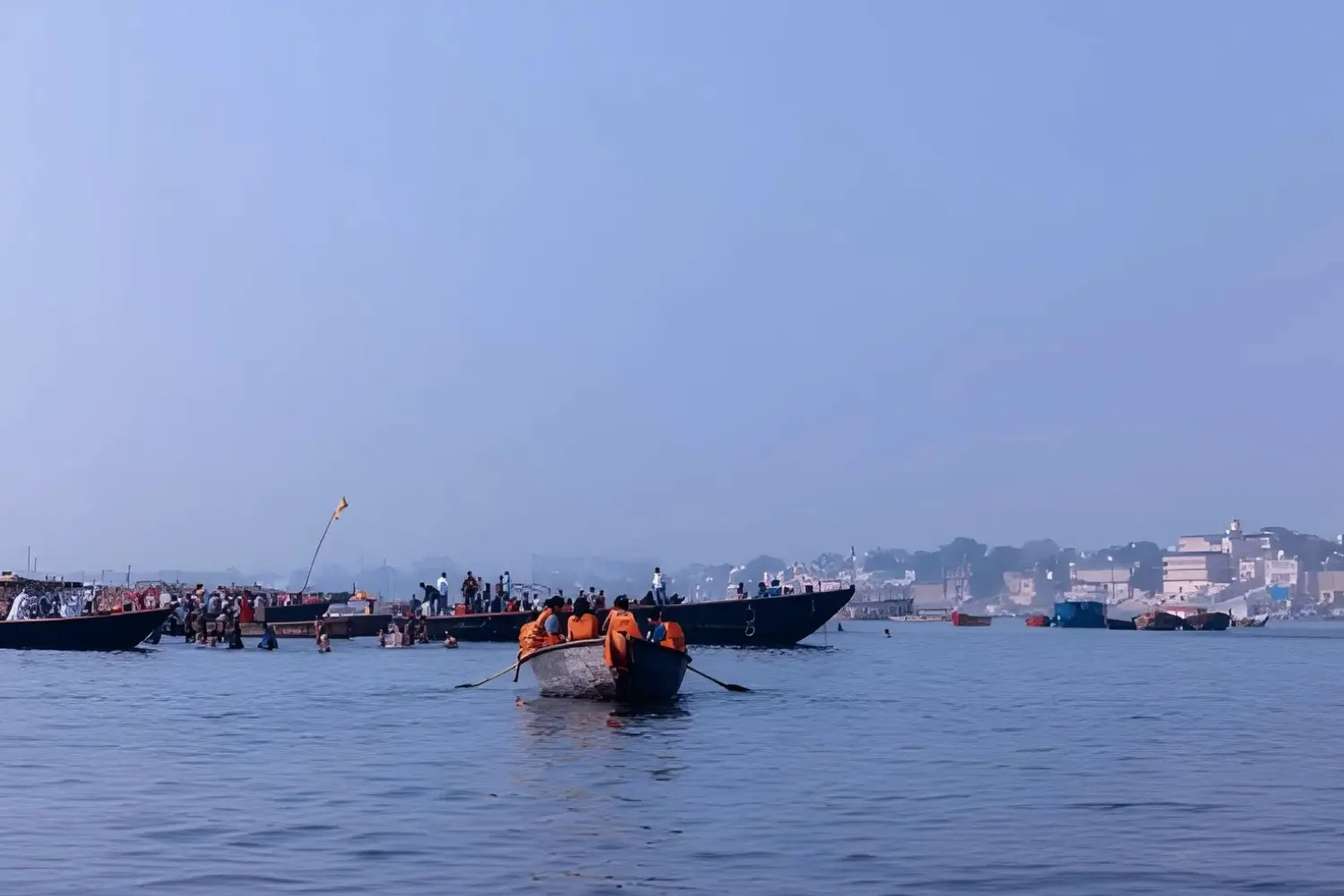
Most boat rides follow a broadly similar stretch of the river, and understanding the Varanasi Boat Ride Route Map helps set expectations before you book. The classic route runs between Assi Ghat in the south and Manikarnika Ghat further north, covering many of the city's most significant stops along the way, including Tulsi Ghat, Kedar Ghat, Harishchandra Ghat, and Dashashwamedh Ghat, before looping back to the starting point.
Longer rides sometimes extend further north toward Adi Keshav Ghat, near the confluence of the Varuna and Ganga rivers, though this stretch is less commonly covered on a standard sunrise or evening outing. Most rides run for somewhere between forty-five minutes and two hours, depending on how far along this route your boat travels and how many stops you make.
What to Carry on a Varanasi Boat Ride?
A little preparation goes a long way. Here is what to keep in mind for what to carry on a Varanasi boat ride:
- Modest clothing: shoulders and knees covered, appropriate for a deeply religious setting.
- A light shawl or jacket: mornings on the water can be cool, even in warmer months.
- Cash in small denominations: most boatmen expect payment in cash, and change can be limited.
- A basic camera or phone: golden hour light on the ghats is genuinely worth capturing.
- Sunscreen and a hat: useful for rides that extend past sunrise into full daylight.
- Hand sanitizer or wet wipes: practical given the general conditions along the riverfront.
- A refillable water bottle: especially useful for sunrise rides that stretch into the warmer late-morning hours.
Varanasi Boat Ride Prices
Varanasi boat ride prices vary depending on boat type, duration, and where you book. A seat on a shared rowboat typically runs somewhere in the range of INR 100 to 200 per person for a standard sunrise or evening route. A private traditional rowboat for the whole group generally costs several hundred to around a thousand rupees, depending on the length of the ride and the number of ghats covered.
Private motorboats, along with decorated or premium boats offering front-row aarti views, sit at a higher price point, often starting from a few thousand rupees depending on the operator, season, and any additional services like breakfast or music performances on board. Booking directly with boatmen at the ghat tends to be more affordable than going through a hotel concierge or a prearranged tour package, though the tradeoff is a bit more negotiation and less guaranteed consistency. Rates are indicative and subject to change, so always confirm your price with the boatman before setting off.
Varanasi Boat Ride Travel Guide
- Aim to arrive at your chosen ghat around thirty minutes before sunrise, since this is when the ride is most rewarding and the water is calmest.
- If you are booking an evening ride around the Ganga Aarti, arrive with enough buffer time to negotiate and board before the ceremony begins, since demand and crowding increase sharply in the final half hour before the ritual starts.
- Treat the cremation ghats with the same respect you would show any sacred space.
- Avoid engaging with unsolicited guides who approach with requests for donations near Manikarnika Ghat, a well-known local scam, and always confirm your price with the boatman before setting off rather than after the ride ends.
Done right, a boat ride here is not just a sightseeing activity but the clearest, most memorable way to understand why Varanasi has drawn pilgrims and travelers to its banks for thousands of years.
Recommended Reads
- Top Religious Places in Uttar Pradesh
- River Cruise Tourism in Varanasi
- Popular Tourist Attractions in Varanasi
- Varanasi: The World's Second Most Popular Religious Destination
- Kashi Sees Remarkable Tourism Boom
- Popular Attractions in Uttar Pradesh
- India’s Spiritual Express: Vande Bharat to Bridge the Spiritual Circuit
- Haridwar Kumbh Mela 2027
- Varanasi Emerges as a Global Hub for Spiritual Tourism
- 10 Iconic Personalities from Varanasi Who Made India Proud
- Laser Show Returns to Lalita Ghat: Kashi Vishwanath Dham’s Iconic Experience Is Back
- PM Narendra Modi Offers Prayers at Kashi Vishwanath
- 65 Lakh Devotees, One Sacred Surge: Kashi Vishwanath Sets a Historic Moment in Religious Tourism
- Ganga Mahotsav in Varanasi
- Boat Ride in Varanasi